 By
By If you are towing a trailer with electric brakes, a trailer brake controller is one of the most important pieces of equipment in your setup. It helps your trailer brake smoothly and safely by sending power to the trailer’s brakes when you slow down or stop.
Whether you are hauling a car hauler, equipment, utility trailer, or camper, understanding how a trailer brake controller works can make a big difference in safety, control, and confidence behind the wheel.
What Is a Trailer Brake Controller?
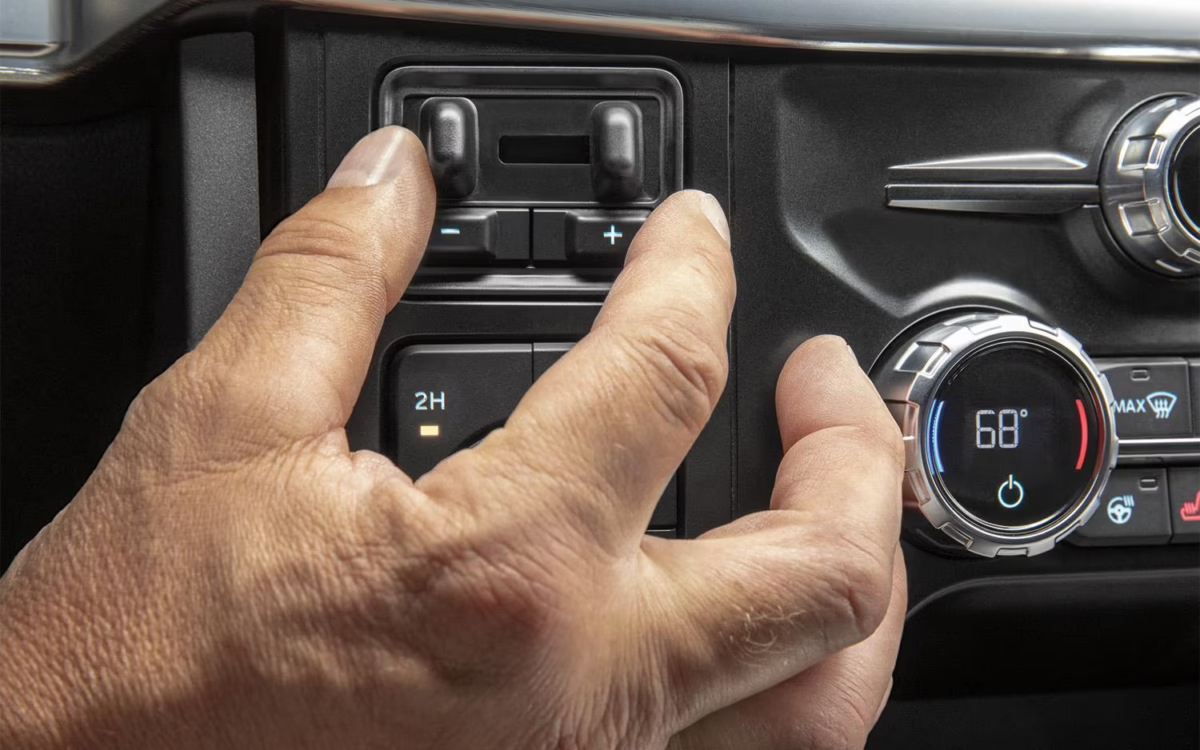
A controller is installed in your tow vehicle and manages braking force sent to electric trailer brakes. When you press the brake pedal, the controller tells the trailer brakes how much force to apply. Without a trailer brake controller, your tow vehicle may handle all the stopping on its own. That can lead to longer stopping distances, more brake wear, and less control while towing. In simple terms, a trailer brake controller helps your trailer stop with your vehicle. It keeps the trailer from pushing against your tow vehicle during braking.

Why Brake Controllers Matters
Towing a trailer changes the way your vehicle handles. It adds weight, affects stopping distance, and can make braking feel less stable if the trailer is not helping slow itself down.
A trailer brake controller matters because it can help:
Improve stopping performance
Reduce wear on your tow vehicle’s brakes
Create smoother, more controlled stops
Help reduce trailer sway in some braking situations
Make towing feel safer and more predictable
If you are towing a heavier trailer, especially one with electric brakes, having a properly adjusted controller is not just helpful. It is essential.
How a Trailer Brake Controller Works
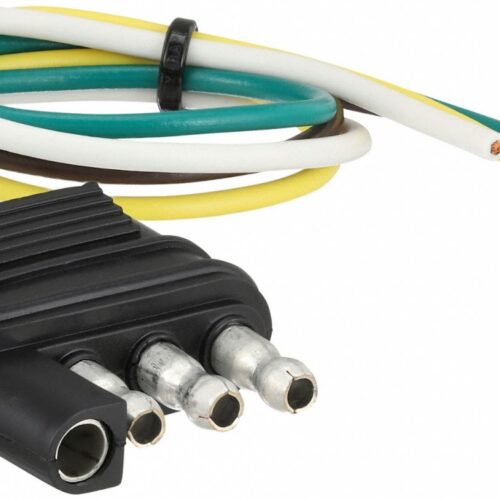
A trailer brake controller connects to your vehicle and to the trailer through the trailer wiring plug, usually a 7 way connector. When the driver applies the brakes, the controller sends an electrical signal to the trailer brakes.
The amount of power sent depends on the type of controller and how it is adjusted. More braking force can be applied during harder stops, while less is used for gentler braking.
Most controllers also have a manual override lever or button. This lets you apply the trailer brakes on their own if needed, which can be useful for testing or helping correct sway.
Types of Trailer Brake Controllers
There are two main types of trailer brake controllers: time delayed and proportional.
Time Delayed Brake Controllers
A time delayed controller sends power to the brakes based on a preset level and ramps it up over time after the brake pedal is pressed.
These are usually more affordable and simpler, but they can feel less smooth because braking is based on settings rather than real braking force.
They may work fine for lighter or occasional towing setups, but they are often not the first choice for frequent towing.
Proportional Brake Controllers
A proportional controller applies the trailer brakes in proportion to how hard the tow vehicle is braking. If you stop gently, the trailer brakes apply gently. If you brake hard, the trailer brakes respond more aggressively.
This type usually provides a smoother and more natural towing experience. Many people prefer proportional controllers for heavier trailers or frequent towing because they offer better control and less jerky braking.
Do You Need a Trailer Brake Controller?
If your trailer has electric brakes, there is a good chance you need a brake controller. Many trailers over a certain weight are equipped with brakes, and in many cases those brakes need a controller in the tow vehicle to work properly.
The exact towing laws vary by state, but from a practical standpoint, if your trailer has electric brakes, you should have a compatible controller installed and set correctly before towing.
This is especially important for:
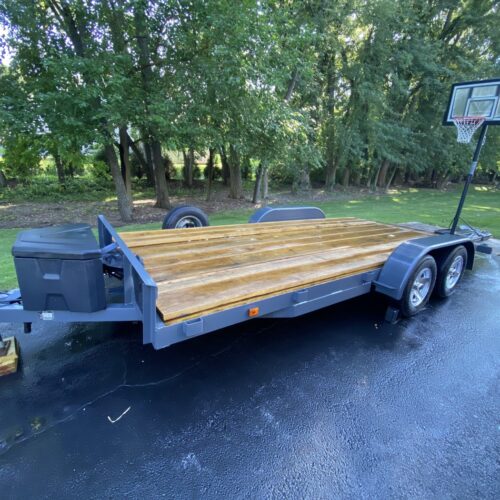
Car haulers
Equipment trailers
Dump trailers
Large utility trailers
Campers and travel trailers
Signs Your Brake Controller Needs Adjustment
Even if you already have a trailer brake controller, it may need to be adjusted based on trailer weight, load balance, or road conditions.
A few signs something is off include:
It feels like it is pushing the tow vehicle when stopping
The brakes grab too hard during light braking
Stops feel jerky or uneven
It does not seem to brake much at all
The controller shows error messages or connection issues
Most controllers let you adjust gain, which controls how much braking power is sent to the trailer. Heavier trailers usually need more gain, while lighter trailers may need less.
How to Choose the Right Trailer Brake Controller
The best trailer brake controller depends on how often you tow, what kind of trailer you are pulling, and how much control you want.
When choosing one, consider:
Whether it is time delayed or proportional
Compatibility with your tow vehicle
How many trailer axles it supports
Ease of installation
Display and adjustment features
Manual override access
If you tow regularly or pull heavier trailers, a proportional controller is often worth it for the smoother braking performance alone.
Installation and Setup
Some vehicles come pre wired for a trailer brake controller, which can make installation easier. Others may need additional wiring or a mounting bracket.
Once installed, the controller should be tested with the trailer connected. You will want to make sure the brakes engage properly, the gain is adjusted correctly, and the manual override works as expected.
It is always a good idea to test your brake controller in a safe open area before hitting the road, especially when towing a trailer for the first time or changing loads.
Final Thoughts
A trailer brake controller is one of those towing components that can easily be overlooked until you really need it. But when it comes to safe, confident towing, it plays a major role.
The right controller can help your trailer brake smoothly, improve overall control, and make towing feel a whole lot less stressful. Whether you are towing every once in a while or every weekend, making sure your controller is installed and adjusted correctly is well worth the effort.
When you are moving what matters most, better braking makes all the difference.