 By
By Few things are more frustrating than hooking up a trailer, getting ready to hit the road, and realizing the lights are not working. Trailer lights are one of the most important safety features on any trailer, helping other drivers see your brake signals, turn signals, and running lights. When they stop working, it is not just annoying. It can also make towing unsafe and even lead to a ticket.
The good news is that trailer light issues are often caused by a few common problems, and many of them can be fixed quickly without a major repair. If your trailer lights are not working, here are some of the most likely causes and what you can do about them.
Start With the Trailer Plug Connection
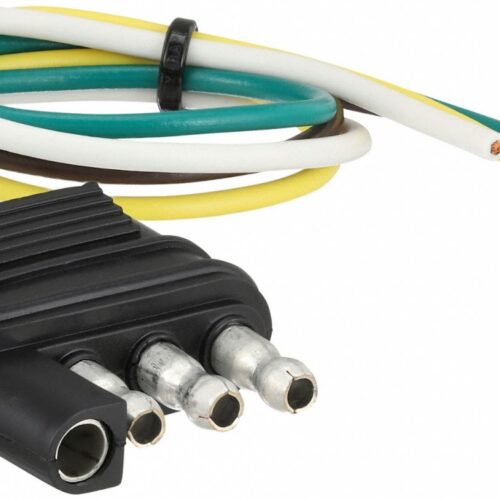
One of the most common reasons trailer lights stop working is a bad connection at the plug. Over time, dirt, moisture, corrosion, and wear can affect the connection between the trailer wiring plug and the tow vehicle socket.
Start by unplugging the connector and taking a close look. If you see dirt, rust, or corrosion on the metal pins, that could be the issue. Clean the plug carefully and reconnect it securely. Sometimes the fix is as simple as making sure the plug is fully seated and not loose.
It is also a good idea to check whether any of the pins look bent, pushed in, or damaged.
Check for a Bad Ground
A poor ground connection is another very common trailer light problem. Trailer wiring depends on a solid ground connection to complete the electrical circuit. If the ground wire is loose, corroded, or not attached to clean metal, the lights may work intermittently or not at all.
Look for the white ground wire on the trailer and inspect where it attaches to the frame. If that area is rusty, painted over, or dirty, the connection may not be strong enough. Cleaning the area and tightening the connection can often solve the problem.
Bad grounds can cause strange lighting behavior too, like one light being dim, signals blinking incorrectly, or multiple lights acting up at once.
Inspect the Wiring for Damage
Trailer wiring takes a beating. It is exposed to weather, road debris, vibration, and regular wear and tear. Wires can get pinched, cracked, dragged, or cut without being obvious at first glance.
Walk around the trailer and inspect the wiring as best you can. Look for frayed sections, exposed wire, cracked insulation, or places where the wiring may be hanging too low. If a wire is damaged, it may need to be repaired or replaced.
Pay close attention to spots near the tongue, axle, and frame where wiring often gets rubbed or snagged.
Test the Tow Vehicle First
Sometimes the problem is not the trailer at all. It may actually be the vehicle’s trailer connector, fuse, or wiring system.
Before assuming the trailer is the issue, test the tow vehicle socket if you can. If you have another trailer available, try plugging it in. You can also use a trailer light tester to check whether the vehicle is sending power correctly.
If the tow vehicle connector is not working, check the vehicle’s trailer light fuse and wiring setup. A blown fuse is a simple fix that gets overlooked all the time.
Look at the Light Bulbs or LED Assemblies
If only one light is out, the problem may be the light itself. On older trailers, a burned-out bulb can be the cause. On newer trailers with sealed LED lights, the entire light assembly may need to be replaced if it has failed.
Check for cracked housings, water inside the lens, or obvious signs of damage. If moisture gets into a light, it can cause shorts or total failure.
Replacing a bad light is usually straightforward, but it is important to make sure the replacement matches your trailer’s wiring setup.
Check for Corrosion Inside the Connector
Even if the outside of the trailer plug looks fine, corrosion can build up inside the connector or socket. Moisture and road grime can slowly cause electrical problems over time.
If your trailer lights work sometimes but not others, or if wiggling the plug makes them come on, corrosion inside the connector may be the culprit. Cleaning or replacing the connector can make a big difference.
Using dielectric grease after cleaning can also help protect the connection from future moisture and corrosion.
Make Sure the Wiring Adapter Is Not the Problem
If you are using a 7-way to 4-way adapter or any kind of plug adapter, do not forget to check that too. Adapters can fail, loosen up, or create poor connections just like any other wiring component.
If possible, test with a different adapter or eliminate it temporarily to see if that solves the issue.
Quick Troubleshooting Checklist
If your trailer lights are not working, start here:
- Check that the trailer plug is fully connected
- Inspect the plug for dirt, corrosion, or damage
- Make sure the ground wire is secure
- Look for damaged or exposed wiring
- Test the tow vehicle connector
- Check the fuse on the tow vehicle
- Inspect bulbs or LED light housings
- Test or replace any adapter being used
Working through these basics can often save a lot of time and frustration.
Preventing Trailer Light Problems
A little routine maintenance can help prevent trailer light issues before they start. Keep your trailer plug clean, store it off the ground when not in use, and inspect the wiring regularly. After towing in rain or through muddy conditions, it is worth checking the connector and lights for buildup or moisture.
If you rent trailers often or use them heavily, a quick light check before every trip is one of the smartest habits you can have.
Final Thoughts
When trailer lights are not working, the issue is usually something simple like a bad connection, damaged wire, blown fuse, or grounding problem. Taking a few minutes to inspect the basics can often get you back on the road quickly and safely.
Whether you own a trailer or are renting one, it is always worth checking that everything is working before you tow. Safe towing starts with the small details, and functioning trailer lights are one of the most important ones.