 By
By Renting a horse trailer can be a helpful option when you do not own a trailer, your trailer is being repaired, or you need a different setup for a specific trip. Whether you are hauling to a show, clinic, trail ride, vet appointment, or new barn, asking the right questions before pickup can make the whole process easier.
When renting a horse trailer, the goal is not just finding a trailer nearby. You also need to make sure the trailer fits your horse, your tow vehicle, and your hauling plans.
Here are a few important questions to ask before booking.
Is the Trailer Suitable for Horses?
This may seem obvious, but it is still important to ask. Not every trailer is designed for hauling horses or livestock. If you are transporting a horse, the trailer needs to be built and set up for that purpose.
Ask the host if the trailer is suitable for horses and confirm how many horses it can safely haul. You should also ask about the stall layout, dividers, interior space, and whether the trailer is a step-up or ramp-load trailer.
If your horse is young, large, nervous, or inexperienced, trailer layout can matter even more.
What Is the Interior Height and Width?
Before renting a horse trailer, make sure your horse will have enough space to stand comfortably. Interior height and width can vary by trailer, and a setup that works for one horse may not work for another.
Ask about:
- Interior height
- Interior width
- Stall size
- Divider setup
- Headroom
- Room for your horse to balance
A horse that feels cramped may be more nervous during loading or travel. Giving your horse enough room can help make the ride safer and more comfortable.

What Hitch Size Does It Require?
One of the most important questions to ask is what hitch setup the trailer requires. You do not want to arrive on pickup day and realize your tow vehicle does not match the trailer.
Ask about:
- Ball size
- Hitch type
- Coupler setup
- Whether it is a bumper pull or gooseneck
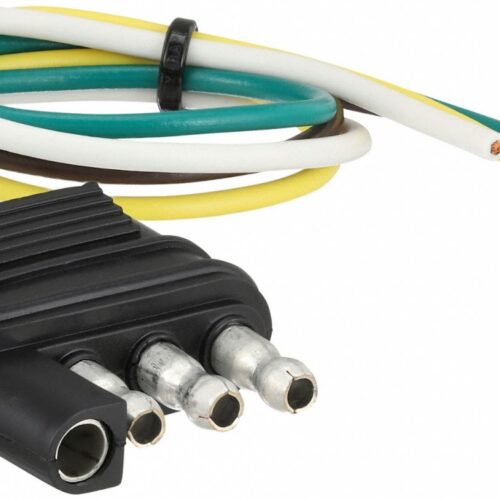
- Trailer plug connection
- Brake controller requirements
If you are renting a horse trailer through towlos, use the chat feature to confirm these details before pickup. This can help you avoid last-minute issues and make sure your tow vehicle is ready.
Does the Trailer Have Brakes?
Horse trailers are heavy, especially once you add horses, tack, feed, water, and gear. Trailer brakes can help your tow vehicle stop more safely and smoothly.
Before booking, ask if the trailer has brakes and whether your tow vehicle needs a brake controller. You should also confirm that the trailer plug matches your vehicle.
If you are unsure whether your tow vehicle can handle the trailer, check your tow rating, payload rating, and owner’s manual before booking.
What Is the Empty Weight and GVWR?
When renting a horse trailer, you need to know more than just how many horses it can fit. You also need to understand the weight.
Ask for:
- Empty weight
- GVWR
- Payload capacity
- Axle rating, if available
This helps you confirm whether your tow vehicle can safely tow the trailer and the full load. Remember to account for the weight of your horse, tack, feed, hay, water, and supplies.
What Condition Is the Floor In?
The trailer floor is one of the most important safety items. Before hauling a horse, the floor should be solid, secure, and free from weak spots.
Ask the host about the floor condition and whether the mats can be checked. When you pick up the trailer, take a few minutes to inspect the floor yourself if possible.
Look for soft spots, rot, rust, holes, uneven mats, or anything that could create a tripping hazard.
How Is the Ventilation?
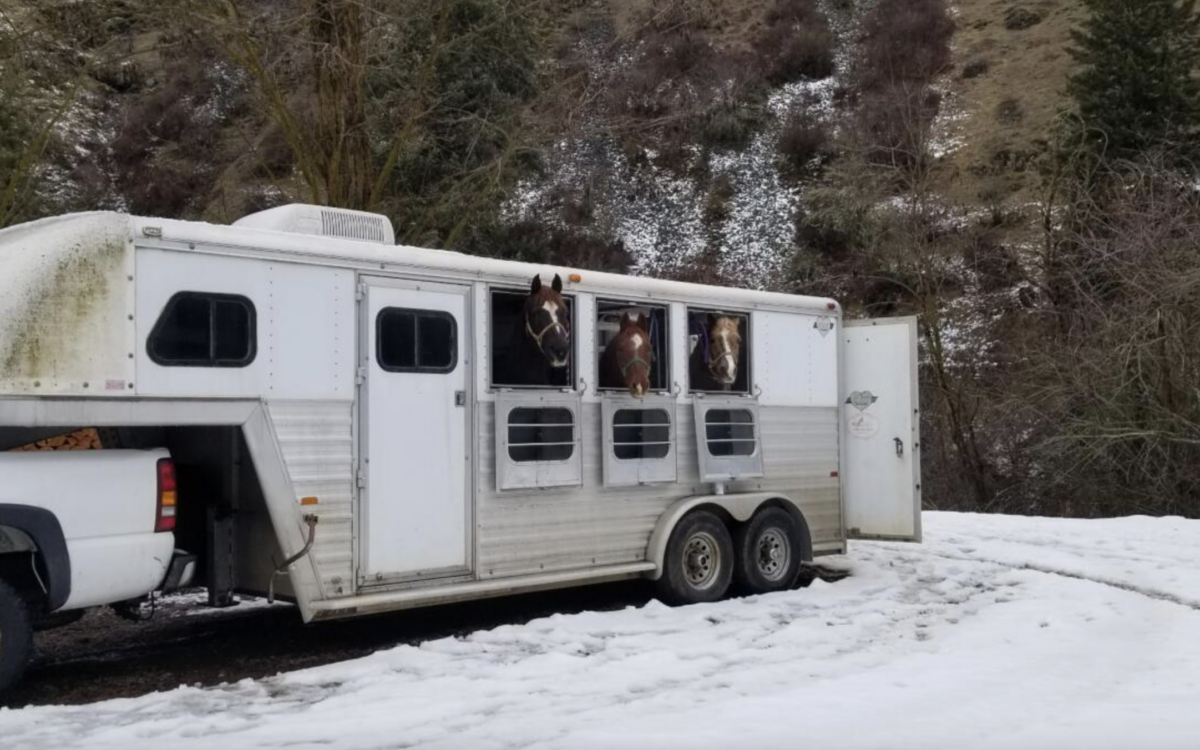
Good airflow matters, especially in warm weather or on longer trips. Before renting a horse trailer, ask about the windows, vents, and airflow.
Questions to ask include:
- Does the trailer have windows?
- Do the windows open and close properly?
- Are there roof vents?
- Are there fans?
- Can airflow be adjusted based on weather?
Your horse needs a trailer that provides enough ventilation while still keeping them safe during travel.
Is There Room for Tack and Gear?
Horse trips usually involve more than the horse. You may need to bring saddles, bridles, grooming supplies, feed, hay, buckets, boots, wraps, show clothes, chairs, coolers, or other equipment.
Ask whether the trailer has:
- A tack room
- Saddle racks
- Bridle hooks
- Storage space
- Room for hay or feed
- Space for extra supplies
If there is not much storage, you may need to plan differently or bring a second vehicle for gear.
Are There Any Special Pickup or Return Instructions?
Before booking, make sure you understand the rental details. Every host may have slightly different pickup and return instructions.
Ask about:
- Pickup location
- Pickup time
- Return time
- Cleaning expectations
- Fuel or mileage rules, if applicable
- Where to park the trailer when returning it
- Any special instructions for doors, locks, ramps, or equipment
Clear communication can help the rental go smoothly from start to finish.
What Should You Check at Pickup?
Even after asking questions ahead of time, it is still a good idea to do a quick inspection before hauling.
Before leaving with the trailer, check:
- Tires and tire pressure
- Trailer lights
- Brake lights and turn signals
- Hitch connection
- Safety chains
- Breakaway cable
- Floor condition
- Doors and latches
- Windows and vents
- Dividers
- Ramp or step-up area
Take your time and make sure you feel comfortable with the trailer before loading your horse.
Ask Questions Before You Haul
Renting a horse trailer can be a great solution for horse owners who need flexibility. Maybe you only haul a few times a year, need a backup trailer, or want a trailer that better fits a specific trip.
With towlos, you can search for trailer rentals near you and use the chat feature to ask questions before booking. This helps you confirm trailer size, hitch setup, brakes, flooring, ventilation, pickup instructions, and whether the trailer is appropriate for your horse.
The right questions can help you avoid surprises, feel more prepared, and make the hauling experience safer and smoother for both you and your horse.