
 By
By Shopping for a tractor can get overwhelming fast. There are so many types of tractors—compact, utility, row crop, sub-compact—and they all promise to do it all.
This guide breaks down the most common types of tractors, what they’re best at, and how to choose the right one for your property or farm. We’ll also touch on how tractors pair with trailers and when it makes sense to rent a trailer instead of buying one through towlos.

Main Types of Tractors (and What They’re Best For)
1. Utility Tractors
Utility tractors are the classic “do-it-all” machines on small to mid-size farms.
Best for:
- General farm work
- Pulling implements (plows, seeders, sprayers)
- Moving hay, pallets, and materials with a loader
If you want one tractor that can tackle most jobs around the farm, a utility tractor is often the go-to.
2. Row Crop Tractors
Row crop tractors are designed for larger farms that plant crops in rows like corn, soybeans, and cotton.
Best for:
- Planting, cultivating, and spraying row crops
- Pulling heavier field equipment
They typically have higher ground clearance and adjustable wheels so you can work between rows without damaging plants.
3. Orchard & Vineyard Tractors
These tractors are built specially for tight, tree-lined or vine-lined spaces.
Best for:
- Orchards and vineyards
- Fruit and nut farms
They’re narrow and low-profile to slip between rows and under branches, while still running mowers, sprayers, and other attachments.
4. Compact Tractors
Compact tractors are a favorite for small farms and rural properties because they’re powerful but not huge.
Best for:
- 1–20 acre properties
- Mowing acreage
- Grading driveways
- Moving dirt, gravel, mulch, or firewood
If you’re a homesteader or small landowner, this is one of the most popular types of tractors. If you’re planning to move a compact tractor on a trailer, check out our guide to trailer rental so you can choose the right size and style.
5. Sub-Compact Tractors
Sub-compact tractors sit between a big lawn mower and a compact tractor.
Best for:
- 1–10 acre properties
- Heavy-duty yard work
- Landscaping and light digging
They’re small enough to park in a standard garage but strong enough to run a loader, mower deck, or small backhoe.
6. Garden & Lawn Tractors
These are essentially beefed-up riding mowers.
Best for:
- Mowing lawns
- Pulling a small yard cart or light utility trailer
- Basic snow removal with the right attachment
If your main goal is yard care, not field work, a garden or lawn tractor is usually enough.
7. Industrial & Construction Tractors
Industrial tractors are built for job sites rather than fields.
Best for:
- Construction and land clearing
- Moving heavy materials
- Running loaders or backhoes
They’re heavier and more rugged than typical farm tractors and tend to live on construction sites, not farms. If you’re hauling equipment like this, you’ll want to understand weight distribution for trailers so your setup stays stable and safe.
Other Ways Types of Tractors Are Classified
Beyond job type, tractors are also grouped by drivetrain and undercarriage.
1. 2WD vs 4WD
- 2WD tractors – Work fine on flat, dry ground and are usually more affordable.
- 4WD tractors – Offer better traction on hills, mud, and snow, and handle heavier work.
If you deal with slopes, wet ground, or heavier implements, 4WD is usually worth it.
2. Wheel vs Track Tractors
- Wheel tractors – Most common, easier to transport on a trailer, great for general use.
- Track tractors – Use rubber or steel tracks, ideal for soft or wet ground and reducing soil compaction.
Most landowners and small farms stick with wheel tractors.
How to Choose the Right Type of Tractor
When comparing different types of tractors, start with these questions:
1. What will you do most?
Pick your top 2–3 jobs:
- Mowing fields or lawn
- Grading a driveway
- Feeding livestock and moving hay
- Tilling a garden or food plot
Match them to the tractor types:
- Mostly mowing + light property work → Sub-compact or compact tractor
- Mixed farm work + livestock → Utility tractor
- Large-scale crops → Row crop tractor
2. How much land do you have?
- Under 5 acres → sub-compact or compact
- 5–20 acres → compact or small utility
- 20+ acres of active fields → larger utility or row crop
3. Where will you store it?
Measure:
- Barn or garage door height
- Width of doors and aisles
- Turning space
No matter which type of tractor you choose, it needs to fit safely into your storage area and onto any trailer you plan to use.
4. What attachments do you really need?
Attachments often matter more than raw horsepower. Common ones include:
- Front loader
- Mower deck or rotary cutter
- Box blade or grading blade
- Tiller
- Post hole digger
Make sure the tractor you choose can run the attachments you actually plan to use. And if you’ll be hauling attachments on a separate trailer, our posts on dump trailer rentals and trailer lights not working are worth a read before you hit the road.
Types of Tractors and the Trailers That Haul Them
At some point, you’ll probably need to move your tractor—whether it’s from the dealer, to a new property, or to a job site. That’s where trailers come in.
Trailer basics for hauling tractors:
- Add up: tractor weight + attachments + trailer weight
- Stay under the trailer’s GVWR and your truck’s tow rating
- Use proper tie-downs at four points on the tractor
Common trailer choices for tractors:
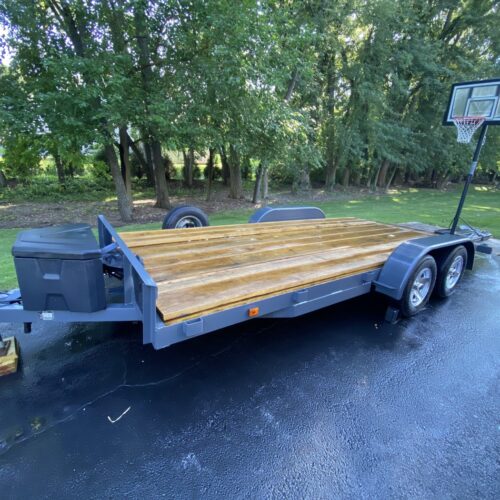
- Equipment/utility trailers – Great for compact and sub-compact tractors
- Car haulers / deckovers – Useful for wider tractors and easier loading
- Tilt trailers – Help with low-clearance tractors and heavy ramps
Instead of buying a trailer, many owners choose to rent a trailer through towlos, a peer-to-peer trailer rental marketplace. You can pick the exact size and style you need for the job and only pay for it when you actually use it. Start with our beginner-friendly guide to trailer rental.

Final Thoughts
At the end of the day, choosing between different types of tractors comes down to your land, your most common jobs, and how often you really plan to use it. Whether you end up with a sub-compact for driveway and yard projects, a compact tractor for a small farm, or a full-size utility or row crop tractor for serious field work, the right machine should make your life easier—not more complicated. And when it’s time to move that tractor, you don’t have to own the perfect trailer for every situation. With towlos, you can rent a trailer that fits your tractor and your job, use it when you need it, and send it home when you’re done.