 By
By Whether you’re moving furniture, hauling equipment, or tackling a weekend project, trailer rental is one of the easiest and most affordable ways to get the job done without buying a trailer of your own. But if you’ve never rented a trailer before, the process can feel a little overwhelming. The good news? It’s actually pretty straightforward once you know what to look for.
This guide walks you through everything you need to know about renting a trailer, from choosing the right type to loading it safely and returning it without a hitch.
Quick Summary: What You Need to Know About Trailer Rental
Before you rent a trailer, make sure you:
- ✓ Know what you’re hauling (size, weight, type)
- ✓ Choose the right trailer type for your needs
- ✓ Confirm your vehicle can tow the trailer safely
- ✓ Inspect the trailer before leaving the lot
- ✓ Understand rental terms and return policies
Now let’s dive into the details.
1. Identify What You Need to Haul
Before you start the trailer rental process, take a minute to think about your load.
Ask yourself:
- How heavy is the load?
- How big is the load?
- Do you need an open trailer or an enclosed one?
- Will you be hauling equipment, vehicles, debris, or furniture?
Understanding your project from the start helps you choose the right trailer and avoid unnecessary hassles or extra trips.
2. Choose the Right Type of Trailer
Not all trailers are created equal. When you rent a trailer, you’ll want to match it to your specific task. Here are the most common types available:
Utility Trailers
Great for general hauling and small projects like moving appliances, yard waste, or small furniture loads.
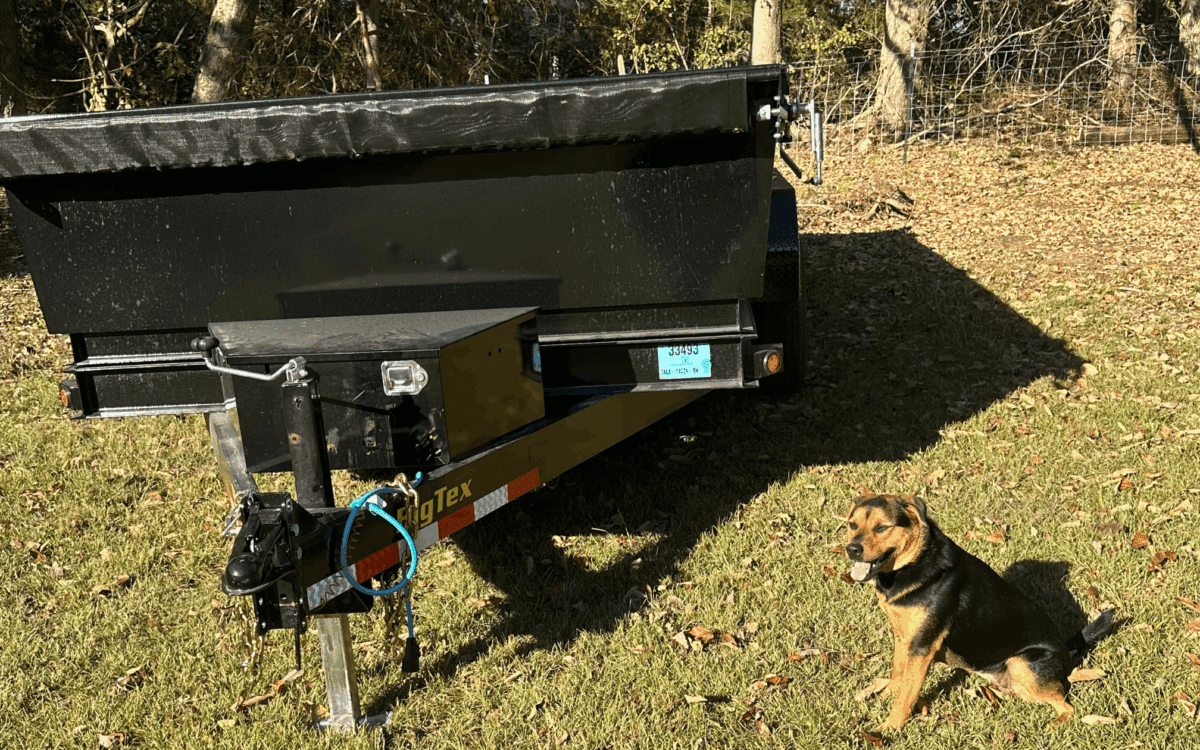
Dump Trailers
Perfect for landscaping, debris removal, and construction cleanup. These trailers tilt to make unloading quick and easy.
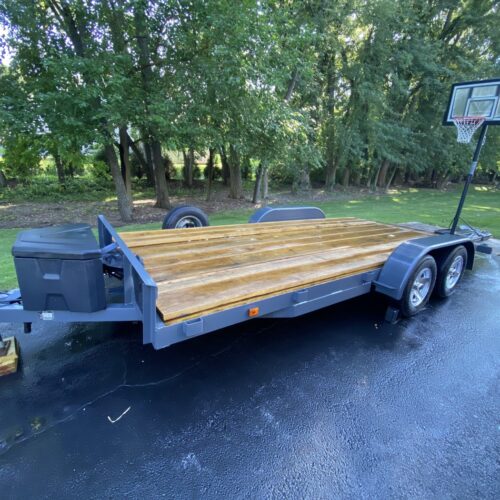
Car Haulers
Built specifically for transporting vehicles safely, whether it’s a car, motorcycle, or ATV.
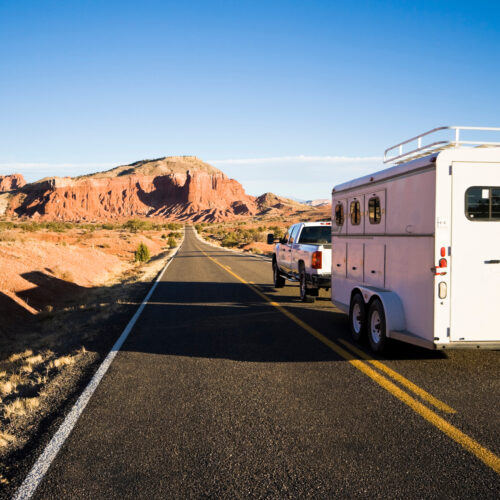
Enclosed Trailers
Best for moves, weather-sensitive items, or anything that needs extra security during transport. Ideal for furniture, electronics, and valuable equipment.
Equipment Trailers
Designed for heavy machinery, large tools, ATVs, and oversized loads that require reinforced construction.
Matching the trailer to your task is key to having a safe and smooth rental experience.
3. Check Your Tow Vehicle
Before confirming your trailer rental, make sure your vehicle is up to the task.
Verify that:
- Your vehicle’s tow capacity can handle the trailer plus its cargo
- You have the correct hitch size (usually 1⅞”, 2″, or 2½”)
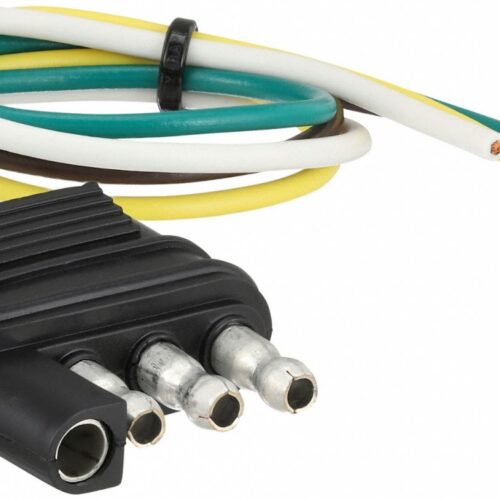
- Your vehicle has a working 7-way or 4-way electrical plug for trailer lights
- You have a brake controller installed if the trailer requires electric brakes
A quick look at your owner’s manual or the sticker on your driver’s side door jamb will usually give you tow ratings. Don’t guess—towing over your vehicle’s capacity is dangerous and can cause serious damage.
4. Review the Trailer Weight Ratings
Every trailer has two critical numbers you need to know:
Trailer weight – The empty weight of the trailer itself
Payload capacity – How much weight the trailer can safely carry
Make sure your load fits within both the trailer’s limits and your tow vehicle’s limits. Exceeding weight ratings can lead to unsafe driving conditions, brake failure, and costly damage.
5. Inspect the Trailer Before You Rent
When you arrive to pick up your trailer rental, take 2–3 minutes to inspect it carefully.
Check for:
- Tires in good shape with proper inflation
- All lights working (brake lights, turn signals, running lights)
- Brakes functioning properly (if applicable)
- No visible damage, rust, or loose parts
- Coupler latching securely onto the hitch ball
- Safety chains intact and properly rated
This quick inspection can prevent breakdowns, accidents, and disputes about pre-existing damage.
6. Understand the Rental Term
Before you leave the lot with your trailer, make sure you’re clear on:
- The daily or hourly rental rate
- Pickup and return times (late fees can add up fast)
- Cleaning requirements and damage policies
- Mileage limits, if any
- Required identification, insurance, or deposit
- What happens if you need to extend your rental
Reading the rental agreement upfront saves you from unpleasant surprises later.
7. Load Your Trailer Safely
Proper loading is one of the most important parts of safe towing. Follow these guidelines:
- Place 60% of the weight toward the front of the trailer (over the axle or slightly forward)
- Secure everything with ratchet straps or tie-downs—loose items can shift and cause dangerous sway
- Distribute weight evenly from side to side
- Double-check the coupler, safety chains, and lights before pulling away
An improperly loaded trailer can fishtail, sway, or even detach from your vehicle. When in doubt, ask the rental staff for loading tips.
8. Drive Carefully and Adjust Your Driving Style
Towing a trailer changes how your vehicle handles. Keep these tips in mind:
- Take wider turns to avoid clipping curbs or obstacles
- Brake earlier than usual—trailers increase stopping distance
- Maintain a safe following distance (at least 4–5 seconds)
- Avoid sudden lane changes or sharp maneuvers
- Drive 5–10 mph slower than you normally would, especially on highways
A little extra caution makes towing safer and less stressful for everyone on the road.
9. Return the Trailer Clean and On Time
Once you’ve finished your project, take a few minutes to:
- Sweep out the trailer bed
- Remove all debris, dirt, and tie-downs
- Return the trailer by the agreed-upon time
Returning your rental in good condition keeps you in good standing with the rental company and helps you avoid extra cleaning fees or late charges.
Frequently Asked Questions About Trailer Rental
How much does it cost to rent a trailer?
Trailer rental rates vary depending on the type and size, but generally range from $20–$100 per day. Utility trailers tend to be the most affordable, while enclosed and equipment trailers cost more.
Do I need a special license to rent a trailer?
In most states, you don’t need a special license to rent or tow a trailer for personal use, as long as the combined weight stays under your vehicle’s rating. However, some states have specific rules for larger trailers, so check your local laws.
Can I rent a trailer if I don’t have a hitch?
Some rental companies offer hitch installation services or can recommend local installers. You’ll need a properly rated hitch before you can tow any trailer safely.
What if the trailer gets damaged while I’m using it?
Most rental agreements include damage policies. You may be responsible for repair costs unless you purchase additional insurance or protection. Always inspect the trailer before you leave and document any existing damage.
How do I know if my vehicle can tow a trailer?
Check your vehicle’s owner’s manual or the sticker on the driver’s side door jamb for towing capacity. You can also call your vehicle manufacturer’s customer service line for clarification.
Final Thoughts: Trailer Rental Made Simple
Ready to rent a trailer? At towlos, we make trailer rental easy with a wide selection of trailers for every job, from utility and dump trailers to enclosed and equipment haulers. Our team is here to help you find the perfect match for your project and ensure you have everything you need for safe, successful towing.
Start by identifying your needs, then visit towlos to find quality trailer rentals near you. Follow the steps in this guide, and you’ll be hauling like a pro in no time.