
 By
By If you’ve ever hooked up or unhooked a trailer, you already know how important trailer jacks are. They might not get the spotlight like hitches or brakes, but without a solid trailer jack, loading, parking, and towing can turn into a frustrating (and sometimes unsafe) experience.
Whether you’re renting a trailer, owning one, or listing one for rent, understanding trailer jacks helps you move what matters with confidence.
What Are Trailer Jacks?
Jjacks are support devices mounted to the front of a trailer. Their main job is to lift, lower, and stabilize the trailer when it’s not attached to a tow vehicle. They make it possible to:
- Raise the trailer onto a hitch ball
- Lower it safely after unhooking
- Keep the trailer level while parked
- Reduce strain on the hitch and coupler
In short, jacks do the heavy lifting so you don’t have to.

Common Types of Jacks
Not all trailer jacks are created equal. The right one depends on trailer size, weight, and how often it’s used.
A-frame trailer jacks
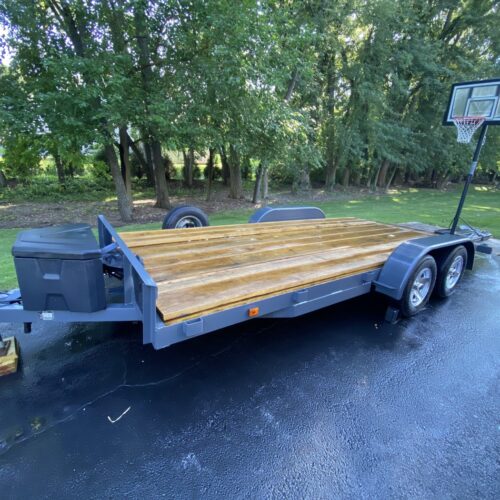
These mount directly to A-frame style tongues, which are common on utility, car hauler, and enclosed trailers. They’re sturdy, simple, and widely used.
Swivel trailer jacks
Swivel jacks rotate up and out of the way once the trailer is hitched. This adds ground clearance and makes towing easier, especially on uneven terrain or driveways.
Drop-leg trailer jacks
Instead of cranking endlessly, drop-leg jacks let you pull a pin and extend the leg quickly. They’re popular on heavier trailers where efficiency matters.
Electric trailer jacks
Electric jacks use a powered motor to raise and lower the trailer. They’re ideal for heavier loads and frequent use, offering convenience at the push of a button.
How to Choose the Right Trailer Jack
When selecting trailer jacks, a few key factors matter more than anything else.
Weight capacity
Always choose a jack rated higher than your trailer’s tongue weight. Underrated jacks wear out fast and can fail unexpectedly.
Mounting style
Make sure the jack matches your trailer’s tongue design, whether that’s straight, A-frame, or a custom setup.
Ground clearance
Low-hanging jacks can scrape or bend during turns or on uneven surfaces. Swivel or higher-mounted options help prevent damage.
Ease of use
If you’re frequently renting or moving trailers, features like drop legs or electric operation can save time and effort.
Why Trailer Jacks Matter for Rentals
For trailer rentals, trailer jacks aren’t just a convenience—they’re a safety feature. A properly functioning jack:
- Makes pickup and drop-off smoother for renters
- Reduces risk of injury during hitching
- Protects the trailer tongue and coupler
- Improves overall renter confidence
A worn-out or hard-to-use jack can quickly turn a good rental experience into a bad one.
Basic Trailer Jack Maintenance Tips
Taking care of trailer jacks doesn’t take much time, but it makes a big difference.
- Keep moving parts clean and lightly lubricated
- Check mounting bolts for tightness
- Inspect for rust or bent components
- Test operation regularly, especially before rentals
A few minutes of maintenance helps avoid costly repairs and downtime later.
Final Thoughts
Jacks may seem like a small detail, but they play a major role in safe, stress-free towing. From quick hookups to stable parking, the right jack keeps everything running smoothly.
Whether you’re hauling a project trailer for the weekend or renting equipment for your next motorsports adventure, reliable trailer jacks help ensure every tow starts and ends on solid ground.