
 By
By If you’re planning to tow a trailer, haul equipment, or head out on a road trip with gear in tow, tow hitch installation is one of the most important steps to get right. A properly installed tow hitch keeps your setup safe, your vehicle protected, and your towing experience stress-free.
Whether you’re installing one for the first time or upgrading your current setup, here’s everything you need to know before you hit the road.

What Is a Tow Hitch and Why It Matters
A tow hitch is the connection point between your vehicle and whatever you’re towing — a utility trailer, car hauler, motorcycle trailer, or something else entirely. If your hitch isn’t installed correctly, it can lead to poor handling, uneven wear, or even dangerous towing situations.
That’s why tow hitch installation isn’t something you want to rush or guess on.
Types of Tow Hitches
Before installing anything, it’s important to choose the right hitch for your vehicle and towing needs.
Common hitch classes include:
- Class I & II – Light-duty towing for small trailers and accessories
- Class III – The most common option for midsize trucks and SUVs
- Class IV & V – Heavy-duty towing for large trailers and equipment
Your vehicle’s towing capacity should always guide your decision.
DIY vs. Professional Tow Hitch Installation
Some tow hitches are bolt-on and can be installed at home with basic tools. Others require drilling, trimming, or wiring, which is where professional installation can be worth it.
DIY installation might work if:
- The hitch is vehicle-specific
- No drilling or cutting is required
- You’re comfortable working under your vehicle
Professional installation is better if:
- You’re unsure about torque specs or alignment
- Wiring for trailer lights is needed
- You plan to tow heavier loads
Either way, following manufacturer instructions exactly is key.
Don’t Forget About Wiring and Accessories
Tow hitch installation isn’t just about the hitch itself. You’ll also want to think about:
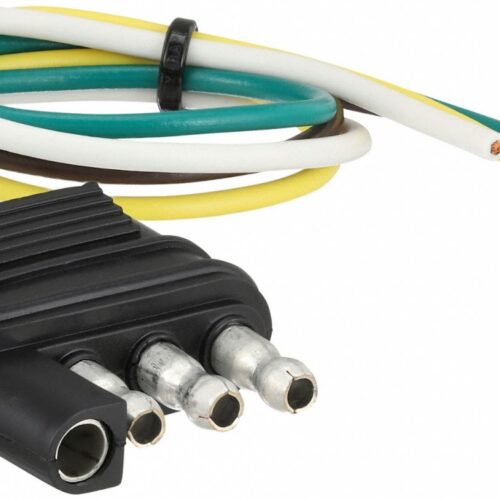
- Trailer wiring harnesses
- Brake controllers
- Hitch balls and mounts
- Weight distribution systems (for heavier loads)
Skipping these details can limit what you can safely tow.
Common Tow Hitch Installation Mistakes to Avoid
Even experienced towers can make mistakes. Some of the most common include:
- Installing the wrong hitch class
- Ignoring torque specifications
- Forgetting trailer wiring
- Exceeding vehicle or hitch weight limits
Taking a little extra time during installation can prevent costly problems later.
Ready to Tow?
A proper tow hitch installation sets the foundation for everything that comes next — whether you’re towing once a year or every weekend. When your hitch is installed correctly and matched to your vehicle, towing becomes safer, smoother, and way more enjoyable.
And once you’re ready to hook up, having access to the right trailer can make all the difference. Tow what you love, move what matters, and always tow with confidence.