 By
By When it comes to towing a vehicle behind another vehicle, especially in the RV and motorsports world, a tow bar is one of the most common tools you’ll hear about. But what exactly is a tow bar, how does it work, and when does it make sense to use one instead of a trailer?
Let’s break it down.
What Is a Tow Bar?
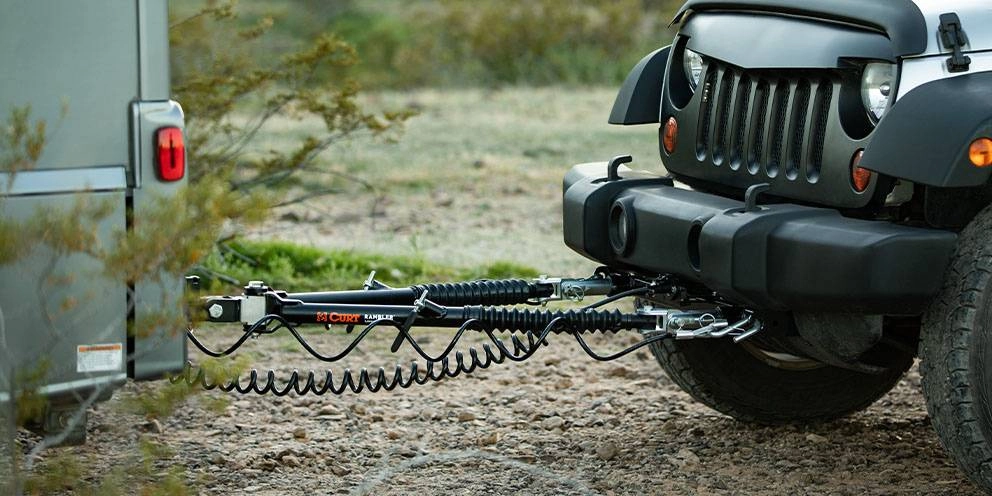
A tow bar is a rigid metal bar that connects one vehicle directly to another for towing. Most often, tow bars are used for flat towing, where all four wheels of the towed vehicle stay on the ground.
You’ll typically see tow bars used to:
- Tow a car behind an RV
- Move lightweight vehicles short distances
- Recover a disabled vehicle in specific situations
Unlike straps or chains, a tow bar creates a solid connection between vehicles, which helps keep the towed vehicle aligned while moving.

How it Works
A tow bar attaches to:
- The tow vehicle (usually an RV or truck)
- A base plate installed on the vehicle being towed
Once connected, the towed vehicle rolls freely behind the tow vehicle while staying centered. Most setups also include:
- Safety cables or chains
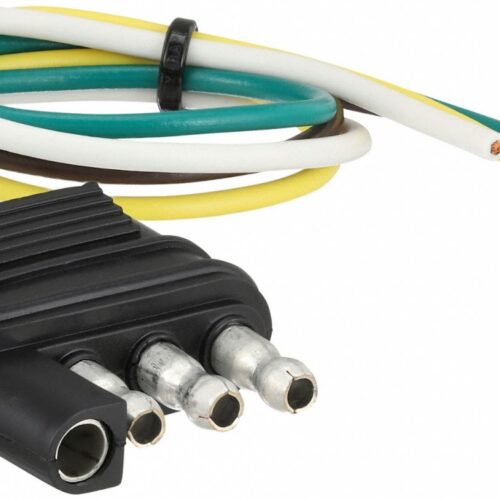
- Lighting connections
- A supplemental braking system (often required by law)
Tow Bar vs Trailer: What’s the Difference?
While a tow bar can be convenient, it’s not always the best option.
Pros
- Faster hookup and disconnect
- No trailer to store
- Lighter and more compact
- Lower upfront cost
Cons
- Not all vehicles can be flat towed
- Adds wear to the towed vehicle
- Limited to lighter vehicles
- Less protection than a trailer
Trailer Pros
- Works with almost any vehicle
- No mileage or tire wear on the towed vehicle
- Better stability and safety
- Ideal for long distances and motorsports use
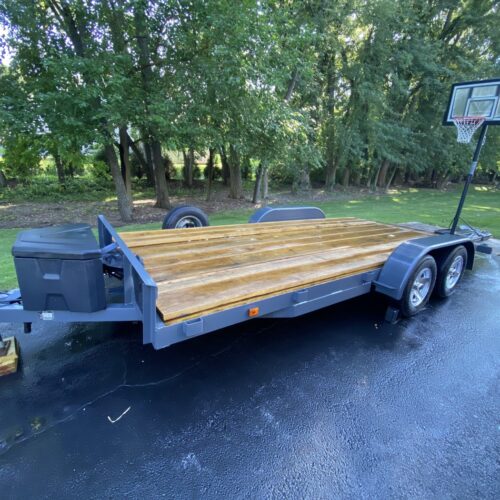
For race cars, UTVs, or heavier vehicles, a car hauler or enclosed trailer is often the safer and more flexible choice.
Can Any Vehicle Be Towed With a Tow Bar?
No — and this is important.
Only certain vehicles are approved for flat towing with a tow bar. This depends on:
- Transmission type
- Drivetrain configuration
- Manufacturer guidelines
Towing a vehicle that isn’t approved for flat towing can cause serious transmission and drivetrain damage.
Always check your owner’s manual before using a tow bar.
Safety Tips When Using a Tow Bar
If you decide a tow bar is right for your setup, keep these tips in mind:
- Always use safety cables or chains
- Double check all pins and locks before towing
- Follow state braking and lighting laws
- Never exceed the tow bar’s rated capacity
- Inspect your setup before every trip
When a Tow Bar Makes Sense and When It Doesn’t
A tow bar is a solid solution for RV owners and light vehicles that are approved for flat towing. But for motorsports enthusiasts, contractors, or anyone hauling valuable equipment, a trailer often provides more peace of mind.
That’s where renting the right trailer for the job can make all the difference, without the commitment of ownership.
Final Thoughts
A tow bar can be a convenient towing option when used correctly and with the right vehicle. Understanding its limits, proper setup, and safety requirements is key to avoiding costly mistakes on the road.
Whether you’re flat towing behind an RV or looking for a more secure way to move what matters, knowing your towing options helps you choose with confidence.