 By
By If you own a ski boat or inboard boat, you already know the fun part starts on the water. But the trip to the ramp matters just as much. The right trailer setup keeps your boat safe, protects your tow vehicle, and makes launch day way less stressful.
This guide breaks down how ski boat and inboard boat trailers work, what to look for, and how to choose the right fit for your boat and your towing situation.

What makes ski boat and inboard boat trailers different
Ski boats and inboard boats usually sit lower and have a different hull shape than many outboard boats. They also often come with sensitive gelcoat finishes, tracking fins, and running gear you do not want bouncing around on a rough road.
A good ski boat and inboard boat trailer should do three things well:
Support the hull correctly
Keep the boat centered and stable at speed
Make launching and loading easy without grinding the hull on bunks or rollers
Bunk vs roller trailers for inboard boats
Most ski boats and inboards ride best on bunks.
Bunk trailers
Bunks spread the weight across a larger surface area which helps protect the hull and finish. They also tend to be more stable on the road and simpler to maintain.
Best for
Most ski boats and inboard boats
Frequent towing
Longer highway trips
Roller trailers
Roller trailers can make launching and loading easier, especially at shallow ramps. But they concentrate weight on smaller contact points and require more maintenance.
Best for
Shallow ramps
Solo loading when ramps are tricky
Owners who keep up with maintenance and adjustments
If you are towing often, bunks are usually the safer and more forgiving choice for an inboard.
Single axle vs tandem axle: which is better
This comes down to weight and how far you tow.
Single axle
Typically lighter, easier to maneuver, and cheaper to maintain. Great for smaller ski boats.
Good for
Shorter boats and lighter setups
Short to moderate towing distances
Tight storage spots
Tandem axle
More stable at highway speeds, better braking, and a big upgrade in safety if you ever lose a tire.
Good for
Heavier inboards
Long distance towing
Rougher roads
Anyone who wants the extra stability
As a general rule, once your full boat and trailer setup starts pushing heavier weights, tandem axles are worth it for the stability alone.
The most important specs to check
Before you buy, rent, or borrow a trailer, match these details.
Boat length and hull fit
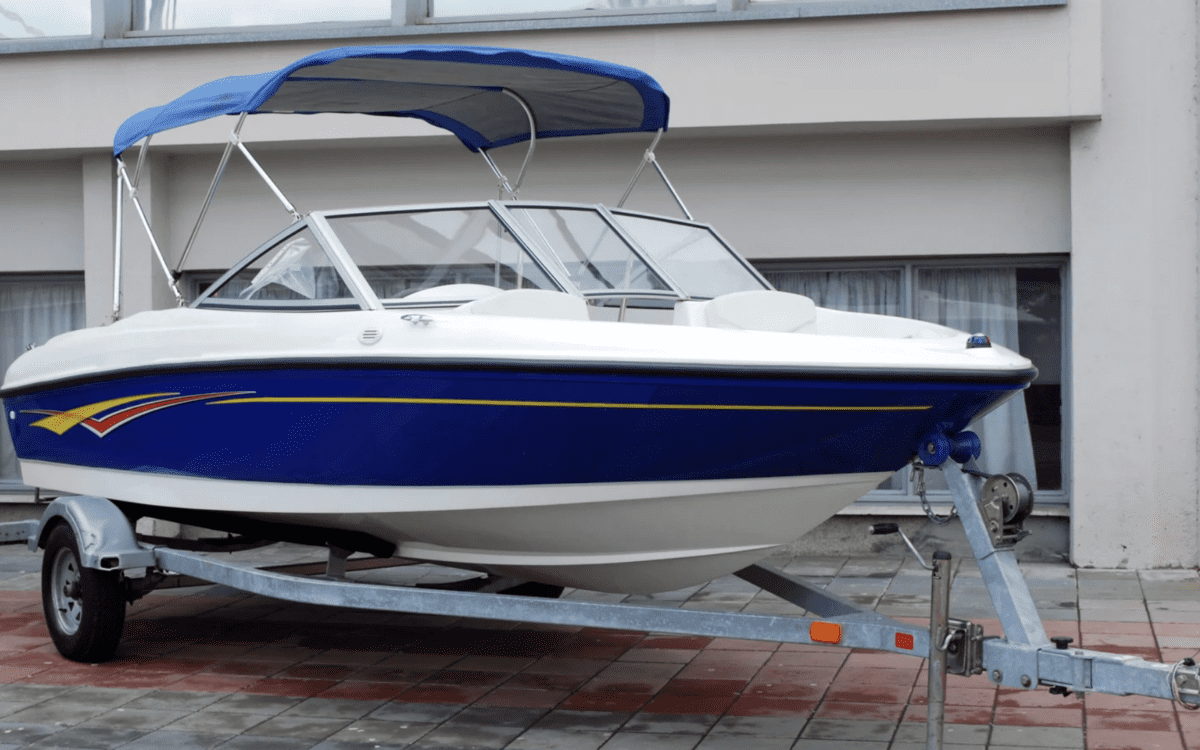
Do not rely on “this trailer is for a 21 foot boat” and call it good. Hull shape matters. The bunks should contact the hull evenly and the boat should sit centered with the bow snug to the winch post.
Capacity and GVWR
Your trailer must be rated for the full setup, not just the dry boat weight.
Make sure you account for
Fuel
Batteries
Gear and coolers
Ballast tanks if applicable
Aftermarket towers and accessories
Tongue weight
A stable setup typically needs enough tongue weight so the trailer does not sway. Too light can feel sketchy at speed. Too heavy can overload the back of your tow vehicle.
If your trailer sways, the fix is often load position and tongue weight, not more speed or tighter steering.
Brakes
Many states require trailer brakes over a certain weight. Even when not required, brakes are a huge safety upgrade.
Common options
Surge brakes
Electric over hydraulic brakes
Electric brakes on some setups
If you tow in mountains, traffic, or longer distances, you want brakes.
Tire rating and condition
Trailer tires matter more than most people think. Use proper trailer rated tires and keep them inflated to spec. Underinflated trailer tires run hot and fail fast.
Getting the right hitch setup
A great trailer can still tow poorly with the wrong hitch.
Check these every time
Ball size matches your coupler
Safety chains are crossed under the coupler
Breakaway cable is attached correctly
Lights work before you leave
Your receiver and hitch rating meet or exceed trailer needs
If your tow vehicle squats a lot or you feel steering get light, a weight distribution hitch may help depending on your setup and trailer type.
Launch and loading tips for ski boats and inboards
Loading an inboard can feel harder than other boats because they sit lower and need to stay centered.
A few habits that help
Back down straight and take your time
Do not power load if the ramp prohibits it or if it washes out the ramp
Use guide posts if you load solo often
Winch the last bit instead of gunning the throttle
Double check transom straps before leaving the ramp lot
A small alignment issue at the ramp can turn into hull rub on the road, so it is worth slowing down.
Common mistakes people make with ski boat and inboard boat trailers
Not checking capacity after adding gear and fuel
Towing with old tires that look fine but are aged out
Running too little tongue weight and fighting sway
Using the wrong ball size
Skipping brake checks and assuming everything is fine
Letting bunks dry out and stick, then forcing the boat off at the ramp
Quick checklist before you tow

Final thoughts
Ski boat and inboard boat trailers are all about fit and stability. When the hull is supported correctly, the trailer is properly rated, and your hitch setup is right, towing becomes routine instead of stressful.