 By
By A pontoon boat trailer is one of those things you don’t think about much until you’re staring at your boat at the ramp thinking, “Wait… is this trailer actually right for this?” The truth is, the right trailer makes boating easier, safer, and way less stressful, whether you’re hauling to the lake every weekend or storing your pontoon between trips.
In this guide, we’ll break down what to look for in a pontoon boat trailer, how sizing works, what features matter most, and the towing basics that keep you (and your boat) protected on the road.
What Is a Pontoon Boat Trailer
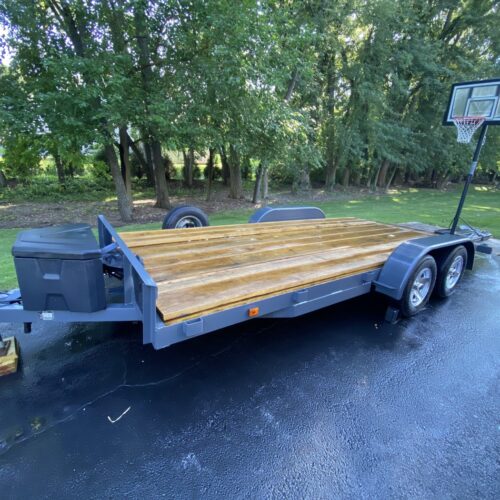
A pontoon boat trailer is designed specifically to support pontoon tubes and the frame of a pontoon boat. Unlike many V-hull boat trailers that cradle a boat’s keel, pontoon trailers use bunk-style supports (or sometimes scissor-style supports) that line up with the pontoons so the load stays balanced.
Because pontoons sit wide and distribute weight differently, pontoon trailers are built with wider bunks, different crossmember spacing, and guide-ons that help you load the boat straight.

Matching the Trailer to Your Pontoon
Choosing the right pontoon boat trailer starts with the basics: size and weight. If either one is off, you’ll feel it while towing.
Boat length matters, but it’s not the whole story
Most pontoons are 18 to 26 feet. Trailer manufacturers usually label trailers by boat length range, but you also need to consider the overall length including the motor and any rear extensions.
A boat that’s “22 feet” can tow more like a 24 depending on the setup.
Weight matters more than people realize
Your pontoon’s “dry weight” is not what you’re towing.
Your real towing weight includes:
- The boat
- The motor
- Fuel
- Batteries
- Coolers and gear
- Anchors, toys, and accessories
A safe move is to estimate loaded weight, then choose a pontoon boat trailer with enough capacity to comfortably handle it.
Trailer Capacity Basics: GVWR and Payload
When shopping for a pontoon boat trailer, you’ll see capacity numbers like GVWR.
- GVWR (Gross Vehicle Weight Rating) is the max total weight the trailer can legally carry including the trailer itself.
- Your trailer capacity needs to cover your loaded boat weight, plus a cushion so you aren’t towing at the absolute limit.
Towing at the limit all the time leads to faster wear on tires, bearings, brakes, and suspension. It also makes handling way less forgiving.
Single Axle vs Tandem Axle Pontoon Boat Trailer
This is one of the biggest decisions.
Single axle
Best for:
- Smaller pontoons (often 18 to 20 foot range)
- Lighter setups
- Shorter towing distances
Pros:
- Easier to maneuver in tight spots
- Usually cheaper
- Less maintenance
Cons:
- Less stability at speed
- Less forgiving if you lose a tire
- Often limited on capacity
Tandem axle
Best for:
- Larger pontoons (usually 20 to 26 feet)
- Heavier loads
- Frequent highway towing
Pros:
- More stable
- Better weight distribution
- Safer for longer trips
Cons:
- Costs more
- A little tougher to maneuver
- More tires and brakes to maintain
If you tow often or your pontoon is on the heavier side, tandem axle is usually the move.
Do You Need Brakes on a Pontoon Boat Trailer
In most cases, yes. And in many states, it’s required once you hit certain weight thresholds.
Trailer brakes help:
- Reduce stopping distance
- Prevent trailer sway during braking
- Save your tow vehicle brakes
- Improve control on hills and ramps
There are two common types:
- Surge brakes: common on boat trailers, activate when the trailer pushes forward under braking
- Electric brakes: controlled by a brake controller in the tow vehicle, common for larger setups
For pontoons, surge brakes are very common, but if you’re pulling heavy and doing long road trips, electric brakes can feel more controlled.
Bunks, Guides, and Loading Features That Make Life Easier
A good pontoon boat trailer should make loading simple, even if the ramp is busy, windy, or you’re learning.
Look for:
- Adjustable bunks that fit your pontoon tube spacing
- Guide-ons to keep you centered when loading
- Good winch stand positioning so you aren’t fighting the bow stop
- Non-marking bunk material to protect the pontoons
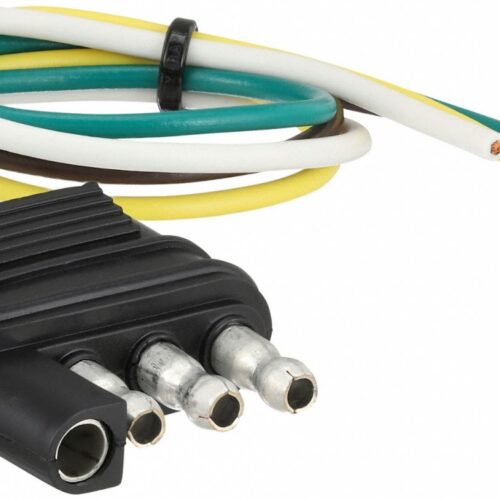
- LED lights (more visible and usually more reliable around water)
Loading is where you’ll feel trailer quality the most.
Towing Setup Tips for a Pontoon Boat Trailer
Once you’ve got the right trailer, towing it correctly is what keeps the trip smooth.
Check tongue weight
Tongue weight should typically be about 10 to 15 percent of the total trailer weight. Too light can cause sway. Too heavy can squat your tow vehicle and mess with steering.
Make sure your hitch is rated correctly
Match:
- Hitch ball size
- Coupler size
- Weight rating
Most bigger boat trailers use a 2 inch or 2 5/16 inch ball.
Tie-downs matter
Use transom straps and a bow strap every time. The winch strap alone should not be your only point of security.
Don’t skip the safety checks
Before every tow:
- Tires inflated and not dry rotted
- Lights working
- Coupler latched
- Safety chains crossed
- Bearings greased and not overheating
- Brakes working (if equipped)
Five minutes of checking beats sitting on the shoulder of the road later.
Storing and Maintaining a Pontoon Boat Trailer
A pontoon boat trailer lives a hard life because it gets dunked in water constantly. Maintenance is what keeps it reliable.
Simple habits that help a lot:
- Rinse trailer after saltwater use
- Grease bearings regularly
- Inspect bunks for wear and looseness
- Replace tires before they look “bad”
- Check brake lines and hardware for corrosion
- Keep lights sealed and wiring tidy
Trailers don’t usually fail all at once. They fail because small issues stack up.
Renting vs Buying a Pontoon Boat Trailer
If you only tow a few times a year, buying a trailer can feel like overkill. A pontoon boat trailer takes up space, needs maintenance, and still costs money even when it’s sitting.
Renting can make sense when:
- You tow occasionally
- You’re picking up or delivering a pontoon
- Your boat normally stays at a marina
- You need a trailer temporarily during repairs or storage
If you do tow every weekend, owning can still be the better move. It just depends on how often you actually use it.
Final Thoughts
A pontoon boat trailer isn’t just something that gets your boat from point A to point B. It’s part of your safety setup, part of your boating routine, and a big piece of what makes boat days easy instead of chaotic.
Match the trailer to your boat’s real weight, choose the axle and brake setup that fits how you tow, and keep up with maintenance. Do that, and you’ll spend a lot more time enjoying the water and a lot less time dealing with trailer headaches.