
 By
By The introduction of U-Haul’s Toy Hauler represents more than just another trailer rental option – it signals a fundamental shift in how customers approach vehicle transport decisions. For the first time in decades, customers have meaningful choices between different rental models, equipment types, and service approaches that go far beyond traditional U-Haul rentals. This expansion of trailer rental options creates both opportunities and complexity that savvy consumers can leverage for better outcomes.
The End of the “Take What’s Available” Era
For most of the rental industry’s history, customers approached trailer rental with limited expectations and resigned acceptance of available options. If you could find a U haul trailer that could handle your vehicle, you were fortunate. If it couldn’t, you either made compromises or didn’t transport your vehicle at all.
This constrained choice environment created a “good enough” mentality where customers evaluated success based on whether their vehicle arrived undamaged rather than whether the transport experience met their actual requirements. Most customers never experienced purpose-built solutions, so they didn’t understand what they were missing.
The emergence of peer-to-peer platforms began changing these dynamics by demonstrating that specialized equipment existed and could be accessed through alternative channels. Suddenly, customers could compare their traditional rental experiences with purpose-built solutions designed for their specific vehicles and use cases.
U-Haul’s Toy Hauler launch represents corporate recognition of these evolved customer expectations. Rather than defending the adequacy of existing solutions, U-Haul acknowledged that customer requirements had outgrown their traditional equipment and invested in new capabilities to meet these needs.
The Choice Complexity Challenge
Expanded options create new challenges for customers who must now evaluate multiple alternatives rather than accepting available solutions. This complexity can be overwhelming for customers who lack experience comparing rental options or understanding the implications of different choices.
Consider a customer who needs to transport a modified sports car to a track event. Previous options were limited to searching “U haul rental near me” for standard Auto Transport or expensive commercial transport services. Now they might choose between:
- U-Haul’s new Toy Hauler for standardized convenience and one-way capability
- Specialized enclosed trailers through towlos for weather protection and security
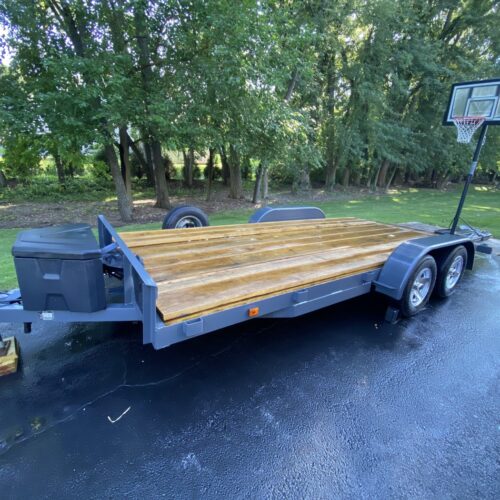
- Open car haulers with extended decks for better fitment
- Purpose-built race trailers with integrated tool storage
Each option involves trade-offs in cost, convenience, protection level, and equipment availability. Customers must understand these trade-offs to make optimal decisions for their specific situations.
Decision Framework Development
Smart customers are developing systematic approaches to evaluate rental options based on their specific requirements rather than defaulting to familiar providers or lowest-cost solutions. This framework-based thinking considers multiple factors:
Transport Requirements Analysis: What are the actual requirements for this specific transport scenario? A concours car show demands different protection and presentation standards than a weekend track day. Multiple vehicles require different loading configurations than single vehicle transport.
Risk Assessment: What are the potential consequences of equipment failure, damage, or service problems? A one-time hobby transport has different risk implications than regular business use. Irreplaceable vintage vehicles justify different protection investments than replaceable modern cars.
Geographic Considerations: Does the transport require one-way capability or specific geographic coverage? Corporate rental networks excel for long-distance relocations when you need to “rent uhaul trailer” solutions, while peer-to-peer platforms may provide better local options for round-trip scenarios.
Service Level Expectations: What level of support and expertise do you need? First-time haulers benefit from owner guidance available through peer-to-peer platforms, while experienced users might prioritize the efficiency of corporate rental processes.
Cost Structure Preferences: How do different pricing models align with your usage patterns? Corporate daily rates work well for short-term rentals when searching “Uhaul car trailer” options, while flat-fee pricing models can provide better value for longer rentals or when mileage charges would be significant.
The Information Advantage
Expanded choice options reward customers who invest time in understanding their alternatives. Previously, rental decisions were simple because options were limited. Now, informed customers can achieve significantly better outcomes than those who default to familiar solutions.
This information advantage manifests in several ways:
Equipment Optimization: Understanding the specific advantages of different trailer types allows customers to select equipment that provides better protection, easier loading, or more appropriate capacity for their vehicles.
Cost Optimization: Comparing pricing models across different providers can reveal significant savings opportunities, especially for longer rentals or scenarios where traditional mileage charges would be substantial.
Service Quality Enhancement: Knowing what questions to ask and what service standards to expect enables customers to make choices that improve their overall rental experience.
Risk Management: Understanding the insurance coverage, damage policies, and dispute resolution procedures of different providers helps customers make informed decisions about acceptable risk levels.
Market Segmentation Benefits
The expansion of rental options has accelerated market segmentation in ways that benefit customers with specific requirements. Rather than forcing diverse needs into standardized solutions, the market now offers targeted options for different customer segments.
Track Day Enthusiasts: Can access trailers designed specifically for performance vehicle transport, with features like low deck heights, integrated tire storage, and aerodynamic considerations that traditional car trailer rental options don’t address.
Car Show Participants: Have options for enclosed trailers that provide weather protection and security features that protect show car investments during transport.
Recreational Off-Road Users: Can find equipment designed for side-by-side and ATV transport, with features like adjustable deck configurations and integrated storage for gear and accessories.
Vintage Car Collectors: Access specialized equipment with gentle loading systems, vibration isolation, and security features appropriate for irreplaceable vehicles.
Commercial Users: Can choose between standardized corporate solutions for predictable operations or specialized equipment for unique transport requirements that go beyond typical “trailer rental uhaul” offerings.
The Peer-to-Peer Service Advantage
One of the most significant changes in customer choice involves access to owner expertise through peer-to-peer platforms. This represents a fundamental service enhancement that corporate rental models struggle to replicate.
Equipment owners who rent through platforms like towlos typically possess deep knowledge about their specific trailers and the vehicles they’re designed to transport. This expertise extends beyond basic operational instructions to include:
Loading Optimization: Owners can demonstrate the most effective loading techniques for specific vehicle types, including proper weight distribution and tie-down placement.
Route Planning: Experienced owners often provide valuable guidance about preferred routes, potential obstacles, and local regulations that can affect transport success.
Equipment-Specific Tips: Every trailer has unique characteristics and optimal usage procedures that owners understand through extensive personal experience.
Problem-Solving Support: When issues arise during rental periods, owner-operators are typically more accessible and motivated to provide solutions than corporate customer service departments.
This owner expertise creates a service premium that many customers find valuable enough to justify choosing peer-to-peer options even when corporate alternatives are available and potentially less expensive.
Technology-Enhanced Decision Making
Modern technology platforms are improving customer choice outcomes by providing better information for rental decisions and streamlining the comparison process.
Advanced search and filtering capabilities allow customers to specify exact requirements and identify equipment that meets their needs rather than settling for available alternatives. Customers can filter by trailer type, capacity, features, location, and availability to find optimal matches.
Review systems and rating mechanisms provide insight into real customer experiences with specific equipment and owners, helping inform rental decisions. These peer feedback systems create accountability that improves service quality across all providers.
Mobile applications and digital documentation streamline rental processes while providing consistent experiences across different provider types. Customers can complete transactions, document equipment conditions, and manage rentals through unified interfaces regardless of whether they choose corporate or peer-to-peer solutions.
Geographic Choice Dynamics
The expansion of rental options has created interesting geographic dynamics that benefit customers in different market conditions.
Metropolitan Areas: Benefit from competition between corporate providers and diverse peer-to-peer inventory, creating abundant choices and competitive pricing.
Rural Markets: Often have limited corporate options but may have excellent peer-to-peer availability from local enthusiast equipment owners who understand regional transport requirements.
Specialized Markets: Areas with strong motorsports or recreational vehicle cultures often have exceptional peer-to-peer options that serve local community needs better than standardized corporate solutions.
Underserved Markets: Some geographic areas that don’t meet corporate deployment thresholds now have access to rental options through peer-to-peer networks that tap into existing local equipment.
Understanding these geographic dynamics helps customers optimize their choices based on location-specific availability and competitive conditions.
The Education Investment Return
Customers who invest time in understanding their expanded options typically achieve better outcomes that justify the additional decision-making effort. This education investment return manifests in several ways:
Cost Savings: Informed customers often identify rental options that provide better value through more appropriate pricing models or reduced ancillary costs.
Service Quality Improvements: Understanding what questions to ask and what service standards to expect enables customers to select providers that deliver better experiences.
Risk Reduction: Knowledge about insurance coverage, damage policies, and equipment capabilities helps customers avoid situations that could result in unexpected costs or service problems.
Outcome Optimization: Matching specific requirements with appropriate equipment types often results in better transport outcomes, from improved vehicle protection to easier loading and unloading experiences.
The Choice Overhead Challenge
While expanded options generally benefit customers, they also create choice overhead that some customers find burdensome. The time and effort required to research alternatives, compare options, and make informed decisions represents a real cost that must be weighed against potential benefits.
This overhead is particularly challenging for occasional users who don’t have experience evaluating rental options or understanding the implications of different choices. The learning curve for optimizing rental decisions can be steep for customers who only need transport services infrequently.
Some customers prefer the simplicity of default choices, even if they’re not optimal, rather than investing time in decision optimization. Understanding your own preferences about choice complexity helps determine how much effort to invest in rental decision-making.
Seasonal and Demand-Based Optimization
Expanded rental options allow sophisticated customers to optimize their choices based on seasonal demand patterns and market conditions.
During peak seasons, corporate rental availability may be limited while peer-to-peer options remain accessible. Conversely, off-peak periods might offer better corporate pricing while peer-to-peer inventory focuses on seasonal equipment uses.
Understanding these demand dynamics helps customers time their rentals for better availability and pricing while avoiding periods when their preferred options might be constrained.
Event-based demand creates similar optimization opportunities. Major motorsports events, car shows, or recreational seasons affect availability and pricing across different provider types in predictable ways that informed customers can anticipate.
Building Long-Term Rental Strategies
Regular users benefit from developing long-term rental strategies that leverage expanded options for consistent better outcomes. Rather than making ad-hoc decisions for each rental need, strategic customers build relationships and knowledge that compound over time.
Provider Relationship Development: Building relationships with preferred corporate locations or peer-to-peer equipment owners can provide priority access and better service during peak demand periods.
Equipment Familiarity: Gaining experience with specific trailer types and configurations reduces setup time and improves transport outcomes through optimized loading and operational procedures.
Market Knowledge: Understanding local market dynamics, seasonal patterns, and provider strengths enables strategic timing and choice optimization.
Technology Optimization: Becoming proficient with different booking platforms and rental management tools streamlines the decision-making and rental process.
The Competitive Response Cycle
As customers become more sophisticated in their choice optimization, providers respond with improved offerings that benefit the entire market. This competitive response cycle creates ongoing improvements in equipment quality, service levels, and pricing structures.
Corporate providers invest in new equipment types and service enhancements to compete with peer-to-peer advantages. Peer-to-peer platforms develop more sophisticated matching algorithms and service features to compete with corporate convenience and consistency.
This competitive dynamic rewards customers who actively engage with their options and provide feedback that drives market improvements. Customer choice behavior directly influences provider investment and innovation priorities.
Future Choice Evolution
The trajectory toward expanded customer choice in trailer rental is likely to accelerate as technology improves and market sophistication increases. Future developments may include:
Integration Platforms: Services that allow customers to search and compare options across multiple providers while maintaining consistent service standards.
Dynamic Pricing: Real-time pricing adjustments based on demand, availability, and market conditions that reward flexible customers with better rates.
Predictive Matching: AI-powered systems that learn customer preferences and proactively suggest optimal rental options for specific scenarios.
Service Bundling: Integrated offerings that combine rental equipment with related services like route planning, insurance enhancement, or transportation logistics.
Maximizing Your Choice Advantage
To maximize the benefits of expanded rental options, customers should:
Define Requirements Clearly: Understand exactly what you need from your rental rather than accepting generic solutions.
Research Alternatives: Invest time in understanding available options, including providers you haven’t used previously.
Compare Total Costs: Evaluate complete rental costs including mileage charges, insurance, and ancillary fees rather than focusing only on base rates.
Consider Service Value: Factor in the value of owner expertise, equipment features, and service quality when making cost comparisons.
Build Relationships: Develop ongoing relationships with preferred providers to improve future rental experiences.
Share Feedback: Provide reviews and feedback that help improve service quality and assist other customers in making informed decisions.
The expansion of trailer rental choices represents a fundamental shift toward customer-centric solutions that reward informed decision-making. Whether you choose corporate convenience through U-Haul’s new Toy Hauler, specialized equipment through peer-to-peer platforms like towlos, or hybrid approaches that leverage multiple options, the key is understanding how to match your specific requirements with the best available solutions.
The future belongs to customers who embrace choice complexity as an opportunity rather than a burden, using expanded options to achieve better outcomes than were possible in the constrained choice environment of the past.