
 By
By New Year’s is the one night everyone expects a big finish, cheers, countdowns, and (for a lot of towns) fireworks. If you’re thinking, “We should put on a firework show,” the safest and most realistic way to do it is to treat it like a real event: legal, permitted, and run by professionals—not a DIY backyard experiment.
This guide walks through how to put on a New Year’s fireworks show the right way, without getting into dangerous how-to details.

First: know what kind of “firework show” you mean
There’s a huge difference between:
- Consumer fireworks (sold at retail where legal), and
- Professional display fireworks (regulated, permitted, and handled by licensed operators)
The U.S. Consumer Product Safety Commission (CPSC) recommends confirming fireworks are legal in your area and using only fireworks labeled for consumer use if you’re doing anything personal-use. U.S. Consumer Product Safety Commission+1
For true public displays, federal rules treat “display fireworks” as regulated explosives activity in many cases. ATF+1
Step 1: Start with your local fire marshal and permit requirements
Most places require a fireworks display permit (and often additional approvals). Many jurisdictions publish clear permit guidance and timelines—some specify applying weeks in advance (for example, counties that require applications 30 days prior). monroecounty-fl.gov+2Pinellas County+2
Also expect weather and fire conditions to matter: some permit instructions note displays can be cancelled due to burn bans or life-safety risk. Palm Beach County
What you’ll usually need (varies by location):
- Event location and date/time
- Site plan and crowd plan
- Proof of insurance
- Licensed operator info (for professional shows)
- Fire safety resources/standby requirements
Step 2: Hire a licensed fireworks display company (strongly recommended)
If you want a real “show,” the best move is hiring a professional company. Why?
- Safety standards: Professional outdoor fireworks displays commonly reference NFPA 1123 (Code for Fireworks Display) for safer handling, setup, and operation. NFPA+2NFPA+2
- Compliance: ATF notes that activity involving importing/manufacturing/dealing/receiving/transporting display fireworks generally requires an ATF explosives license/permit for the specific activity. ATF+1
- Workplace hazard controls: OSHA highlights fireworks display work as a serious hazard area and points to NFPA 1123 as a key standard. OSHA
In plain terms: a pro crew is equipped to handle permitting, regulatory compliance, and the safety planning you don’t want to guess on.
Step 3: Choose a site that works for safety and for people
Your local “authority having jurisdiction” (often the fire marshal) will evaluate the site using applicable rules/standards (NFPA 1123 is commonly referenced). OSHA+1
When scouting locations, think beyond “big open space.” A workable fireworks site also has:
- Clear audience viewing areas and controlled access
- Space for emergency vehicles to get in and out
- Parking that won’t gridlock after midnight
- Low wildfire risk (dry grass/brush is a big concern)
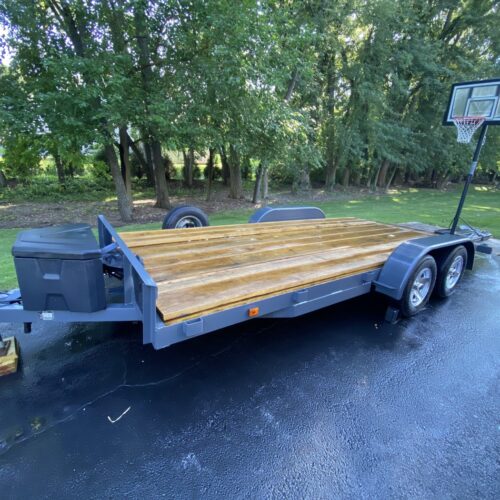
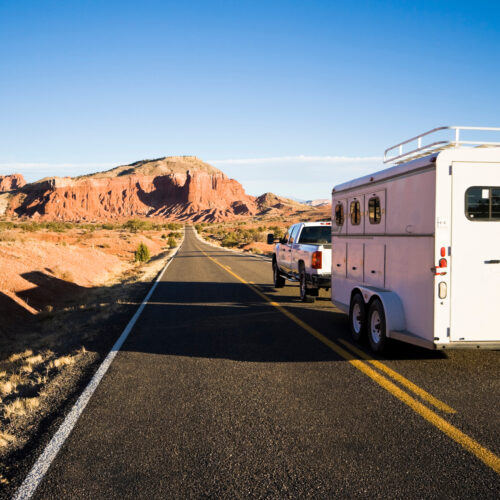
Towlos angle (because logistics matter): If you’re hauling barricades, cones, signage, generators, water containers, or cleanup supplies—plan trailer-friendly access (wide turns, solid ground, no tight exits) so you’re not wrestling a long trailer in the dark.
Step 4: Build a simple event safety plan (even for small shows)
Even if your “show” is modest, write down the basics. Officials and venues often want to see that you’ve planned for risk.
Include:
- Weather policy (wind, storms, drought/burn ban conditions)
- Emergency contacts and who has authority to pause/cancel
- Fire resources on-site (many safety orgs recommend keeping water available) U.S. Consumer Product Safety Commission+1
- Sober operation (CPSC explicitly warns against using fireworks while impaired) U.S. Consumer Product Safety Commission+1
- Kid safety rules (CPSC: never allow young children to ignite fireworks, including sparklers) U.S. Consumer Product Safety Commission
If you’re hosting a public crowd, take this seriously—New Year’s is busy, dark, and full of distractions.
Step 5: Don’t overlook the “boring” parts: crowd flow, parking, and cleanup
A New Year’s fireworks show can go perfectly… and still turn into chaos in the parking lot.
Plan:
- One-way traffic patterns for entry/exit
- Separate lanes for emergency access
- Lighted walk paths and clear signage
- A cleanup plan (debris, trash, and a final site check for safety)
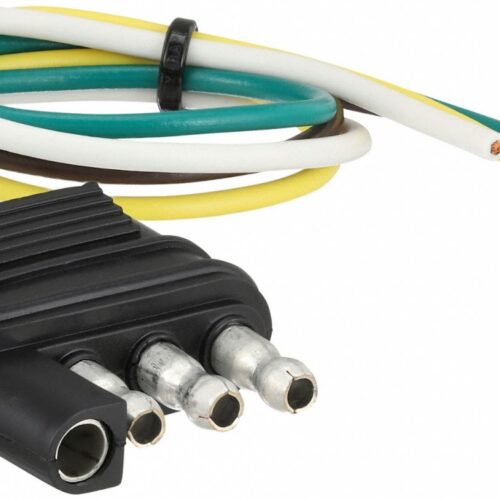
If you’re using trailers for event gear, do a quick tow check before you roll (lights, hitch, chains, tires). Night towing + holiday traffic is not the time to “hope it’s fine.”
Step 6: If you’re doing consumer fireworks at home, keep it small and follow official guidance
If your New Year’s “show” is really a backyard moment, stick to what’s legal locally and follow official safety guidance:
- Use only consumer-labeled fireworks where legal U.S. Consumer Product Safety Commission+1
- Keep water on hand U.S. Consumer Product Safety Commission+1
- Keep kids away from lighting fireworks U.S. Consumer Product Safety Commission
- Don’t mix fireworks and alcohol U.S. Consumer Product Safety Commission+1
For anything bigger than that, treat it like an event and hire a pro.
New Year’s fireworks: do it right, or don’t do it
A great fireworks show isn’t just about the finale, it’s about planning, permits, and professionals so everyone goes home safe.
And if your New Year’s plans involve hauling event supplies (or you need the right trailer to do it), Towlos can help you find a trailer that fits the job—so your celebration stays smooth from setup to shutdown.
Happy New Year, and happy towing.