
 By
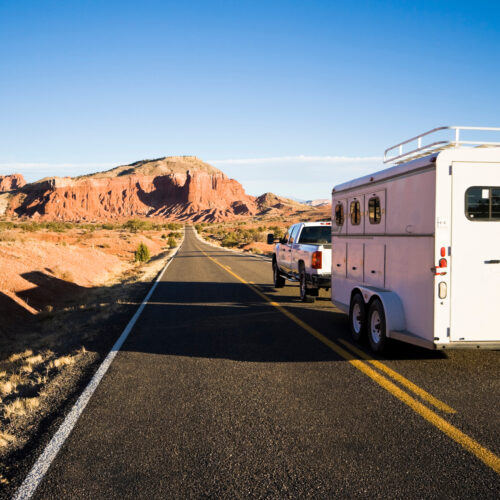
By If you’ve ever traveled by RV, you know the freedom is unmatched, until you need to run errands, explore town, or grab supplies once you’re parked. That’s exactly where a flat tow vehicle comes in.
Because of that, choosing the right vehicle to tow behind your RV can make your trips easier, safer, and way more flexible. In this guide, we’ll break down what a flat tow vehicle is, how flat towing works, and some of the best vehicles to flat tow behind an RV.
What Is a Flat Tow Vehicle?
A flat tow vehicle is a car or SUV that can be towed behind an RV with all four wheels on the ground. This setup is often called dinghy towing or four-down towing.
Unlike towing with a trailer or dolly, flat towing keeps things simple:
- No trailer storage
- Faster hookup and disconnect
- Lighter overall towing setup
However, not every vehicle is designed to be flat towed. Flat tow vehicles must have drivetrain components that won’t be damaged while rolling freely behind an RV.
How Flat Towing Works
Flat towing uses a few key components to safely connect your vehicle to your RV:
- Tow bar attached to the RV
- Base plate installed on the vehicle
- Safety cables
- Supplemental braking system
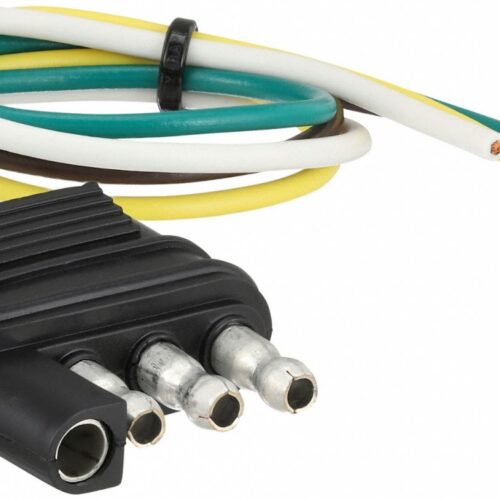
- Wiring for brake lights and turn signals
Once connected, the vehicle rolls naturally behind the RV with the steering unlocked and the transmission set according to manufacturer guidelines.
What Makes a Good Flat Tow Vehicle?
Not all cars are created equal when it comes to flat towing. The best flat tow vehicles typically have:
- Manual transmissions or flat-tow-approved automatics
- Transfer cases with a true neutral setting
- Lower curb weight
- Reliable braking and steering systems
- Manufacturer approval for four-down towing
Always check your owner’s manual, flat towing the wrong vehicle can cause serious drivetrain damage.
Best Flat Tow Vehicles Behind an RV
Here are some of the most popular and proven flat tow vehicle options RVers rely on:
Jeep Wrangler
A long-time favorite in the RV world. Most Wrangler models are flat tow ready right off the lot thanks to their transfer case design.

Jeep Grand Cherokee
Select trims and drivetrain configurations are flat tow approved, offering more comfort and space than the Wrangler.
Chevrolet Equinox
A solid compact SUV option that balances comfort, fuel efficiency, and flat tow capability.
Ford Escape
Certain model years and drivetrain setups allow for flat towing, making it a popular choice for RV travelers.
Chevrolet Colorado
For RVers who want a pickup as their runaround vehicle, certain Chevrolet Colorado configurations support flat towing.
Honda CR-V
Many older Honda CR-V model years support flat towing and remain popular choices behind RVs today.
Vehicles That Cannot Be Flat Towed
Many modern vehicles, especially those with:
- CVT transmissions
- All-wheel drive systems without a true neutral
- Electric drivetrains
are not safe to flat tow. In these cases, a tow dolly or trailer is required instead.
Flat Tow Vehicle Safety Tips
Before hitting the road, always:
- Double-check manufacturer flat tow approval
- Verify weight limits for your RV
- Test your braking system before long trips
- Inspect tow bars, cables, and connections regularly
Flat towing done right is smooth and stress-free. Done wrong, it can turn into an expensive repair.
Final Thoughts
A flat tow vehicle can completely change how you travel with an RV. Whether you’re exploring national parks, heading to motorsports events, or chasing weekend adventures, having the right vehicle behind your rig adds flexibility and convenience.
Ultimately, understanding what makes a vehicle flat tow capable and choosing the right setup helps ensure every mile is safer and simpler.