
 By
By One of the first questions new trailer hosts usually ask is, “How much should I charge?” Setting trailer rental rates can feel tricky at first, especially if you are listing your trailer for the first time and do not know what people in your area are willing to pay.
The good news is that you do not have to guess completely. Most hosts set their daily, weekend, and weekly rates by looking at the type of trailer they own, the demand in their area, how often they want it rented, and what similar trailers are charging nearby.
On towlos, hosts set their own rental rates. That gives you the flexibility to price your trailer in a way that makes sense for your equipment, your schedule, and your rental goals. If you are ready to start earning from a trailer you already own, you can list your trailer on towlos.
Start With Your Daily Rate
Your daily rate is usually the foundation of your pricing. This is the rate a renter pays to use your trailer for one day.
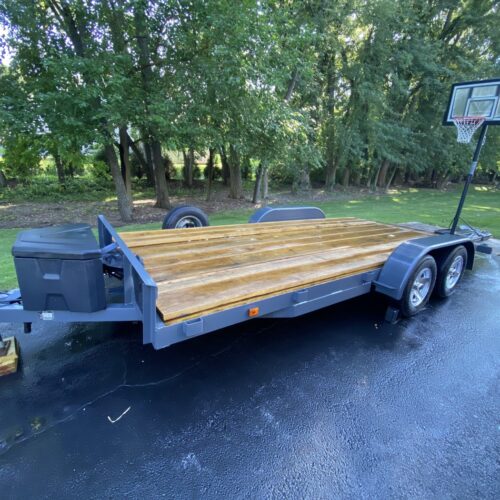
When choosing a daily rate, think about what your trailer is worth to someone for a specific job. A small utility trailer rental may be used for a quick furniture pickup or dump run, while a dump trailer, enclosed car hauler, equipment trailer, or horse trailer may help someone complete a much bigger project.
A few things that can affect your daily rate include:
- Trailer type
- Trailer size
- Weight capacity
- Condition and age
- Special features
- Local demand
- Delivery options
- Included extras
- How many similar trailers are available nearby
For example, a basic utility trailer may need a lower daily rate to stay competitive, while a heavy-duty dump trailer rental with ramps, a tarp, and a high payload capacity may be able to support a higher rate.
Look at Similar Trailers Near You
Before setting your trailer rental rates, spend a little time looking at comparable listings in your area. Try to compare trailers that are actually similar to yours.
Look at things like:
- Trailer length
- GVWR or payload capacity
- Ramp style
- Enclosed vs. open
- Hydraulic dump features
- Car hauling features
- Livestock or horse trailer setup
- Location
- Delivery availability
If your trailer has better photos, clearer details, newer equipment, or helpful extras, you may be able to price it slightly higher than similar listings. If you are just getting started and want to encourage your first few bookings, pricing slightly lower can help create early momentum.
Think About Weekend Demand
Weekend rates matter because many renters need trailers for Saturday and Sunday projects. Yard cleanups, moves, event hauling, equipment transport, and DIY projects often happen over the weekend.
Some hosts keep the same daily rate all week. Others create a weekend-friendly pricing strategy by encouraging multi-day rentals.
For example, if your daily rate is $100, you may decide that a full weekend rental should cost less than three separate daily rentals. This can make the rental feel more attractive to the renter while still giving you a strong payout for one booking.
A weekend rate can also help reduce back-and-forth scheduling. Instead of trying to coordinate a short one-day pickup and return, a renter may book the trailer for the full weekend and have more time to complete the job.
Weekly Rates Can Help With Longer Projects
Weekly trailer rental rates are useful for renters who need more time. This could include contractors, remodelers, people moving, property owners, or anyone working on a project that takes several days.
A weekly rate is usually discounted compared to paying the daily rate seven times. The idea is simple: the renter gets a better price for booking longer, and the host gets a longer rental without having to coordinate several separate bookings.
For example, if your trailer rents for $100 per day, charging $700 for a week may feel too high for some renters. A weekly rate of $500 or $600 may be more attractive while still giving you several days of rental income.
The right weekly rate depends on how busy your trailer usually is. If your trailer is in high demand every weekend, you may not want to discount too heavily. If your trailer sits unused during the week, a discounted weekly rate may help you earn more from days that would otherwise go unbooked.
Do Not Forget About Your Costs
Trailer rental rates should not only be based on what renters want to pay. You also need to think about your own costs.
Those may include:
- Maintenance
- Tires
- Lights and wiring
- Insurance
- Registration
- Cleaning
- Storage
- Time spent communicating with renters
- Delivery or pickup time
- Normal wear and tear
Even if your trailer is paid off, it still costs money to keep it rental-ready. Your pricing should help cover those costs while still making the rental worth your time.
Price Based on the Job Your Trailer Helps Complete
One helpful way to think about pricing is to focus on the value your trailer provides.
A renter may need your trailer to:
- Move across town
- Pick up a vehicle
- Haul a tractor or skid steer
- Clean up storm debris
- Take materials to a jobsite
- Transport a horse to an event
- Move furniture or appliances
- Handle a weekend landscaping project
The more useful your trailer is for high-value jobs, the more room you may have to charge a strong rate.
For example, someone renting an equipment trailer to move machinery may be willing to pay more than someone renting a small trailer for a quick local errand. The trailer type, the project, and the renter’s urgency all play a role.
Use Delivery as a Pricing Advantage
If you are willing to offer delivery, that can make your listing more attractive. Some renters need a trailer but do not have the right tow vehicle, hitch setup, or schedule to pick it up themselves.
Delivery can be listed as an added option if you are comfortable providing it. You can charge based on distance, time, fuel, and convenience.
For some hosts, delivery is a great way to increase earnings on a rental. For others, it may not be worth the time. That is why it is important to price delivery separately and clearly explain what is included.
Adjust Your Rates Over Time
Your first price does not have to be your final price. Many hosts adjust their trailer rental rates as they learn what works.
If your trailer is getting a lot of views but few bookings, your rate may be too high, your photos may need improvement, or your description may not be answering enough questions.
If your trailer books quickly every time it is available, you may have room to raise your rate.
If renters keep asking for longer rentals, it may be worth adding a better weekend or weekly rate.
Pricing is something you can improve over time. Start with a rate that feels fair, watch how renters respond, and make adjustments as needed.
Make Your Listing Worth the Rate
The best pricing strategy will not help much if your listing does not look trustworthy. Renters want to know what they are getting before they book.
To support your rate, make sure your listing includes:
- Clear photos from multiple angles
- Trailer size and dimensions
- Weight capacity
- Hitch size
- Brake information
- Ramp details
- Tie-down points
- Included straps or accessories
- Pickup instructions
- Delivery availability
- Clear rules and expectations
A complete listing can make renters more confident and reduce repetitive questions. It also helps your trailer stand out from similar options nearby.
So, How Should You Set Your Trailer Rental Rates?
A good starting point is to choose a daily rate based on similar trailers near you, then decide whether a weekend or weekly discount makes sense for your rental goals.
If you want more frequent bookings, start with a competitive rate and adjust as you get interest. If you have a specialty trailer or a high-demand trailer, you may be able to charge more, especially if your listing is clear, well-photographed, and easy to book.
The best trailer rental rates are fair to the renter, worth it for the host, and flexible enough to change as you learn your market.
List Your Trailer on towlos
If you have a trailer sitting unused, towlos makes it easy to list your trailer and start earning from it. You can set your own rates, manage your availability, message renters, and decide what works best for your trailer.
Whether you want to rent your trailer by the day, for the weekend, or for longer projects, towlos gives you a simple way to turn your trailer into an income opportunity.