 By
By The best way to price your trailer is to start with a competitive daily rate, compare similar trailers near you, offer weekly discounts when longer rentals make sense, and adjust seasonally based on demand. Your first price does not have to be your forever price.
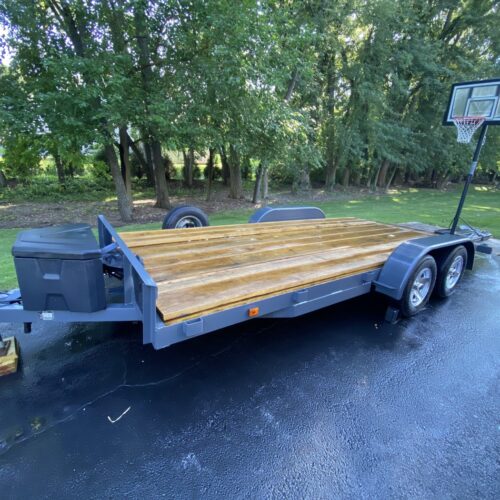
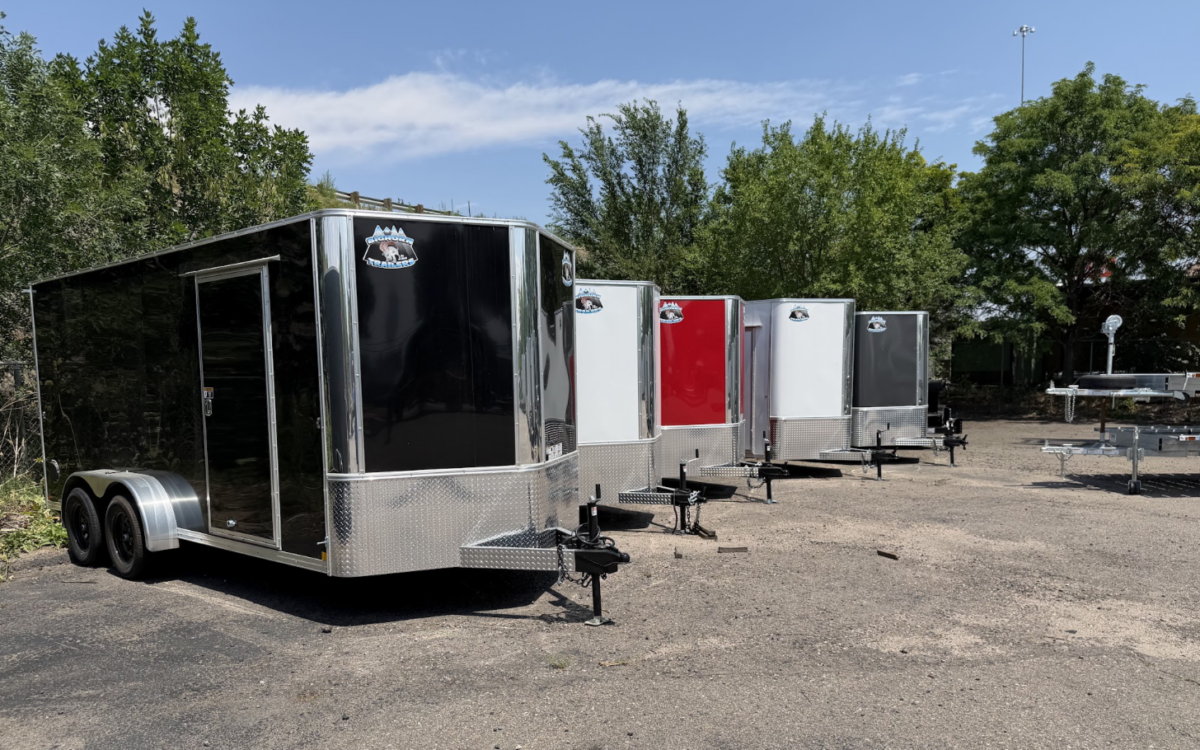
For towlos hosts, trailer rental pricing should reflect your trailer type, local market, condition, features, and how renters actually use it. A utility trailer used for weekend projects may need a different pricing strategy than a dump trailer used for cleanup jobs or an enclosed trailer used for moves and events.
Here is how to think about daily, weekly, and seasonal pricing before you set or update your trailer rental rate.
1. Start With Your Daily Trailer Rental Price
Your daily rate is the foundation of your pricing strategy. It is the number most renters will notice first when comparing trailer options.
Start by searching trailers near you on towlos and looking at listings similar to yours. For example, hosts in Alabama can browse Alabama trailer rentals on towlos to compare local trailer types, pricing, and availability.
Compare trailer type, size, payload, condition, included extras, pickup location, and whether delivery is available.
The goal is not to be the cheapest listing. The goal is to be priced fairly for what your trailer offers.
A clean, well-maintained trailer with good photos, accurate specs, fast communication, and helpful extras may be worth more than a similar trailer with poor photos or missing details.

2. Compare Local Competitors Before You Decide
Local pricing matters. What works in one city or state may not work in another.
Before setting your daily rate, look at a few places:
- Similar trailers on towlos
- Facebook Marketplace rental posts
- Local rental yards
- Equipment rental companies
- Moving rental locations
- Nearby hosts with comparable listings
Pay attention to what renters are actually seeing when they search for a trailer. If most comparable trailers are priced in a similar range, that gives you a helpful starting point.
Also look for gaps. If your area has several utility trailers but very few dump trailers, an available dump trailer may be able to hold a stronger price. If there are many similar listings, you may need better photos, clearer details, or stronger pickup instructions to stand out.
For a deeper look at competitor pricing, read How Much Should I Charge Compared to Local Trailer Rental Competitors?.
3. Do Not Forget the Value of Features and Extras
Renters do not only compare price. They compare convenience, confidence, and fit.
If your trailer includes helpful extras, those can support your price. Examples include:
- Ramps
- Ratchet straps
- Tarp
- Spare tire
- Winch
- Wheel chocks
- Moving blankets
- Tie-down points
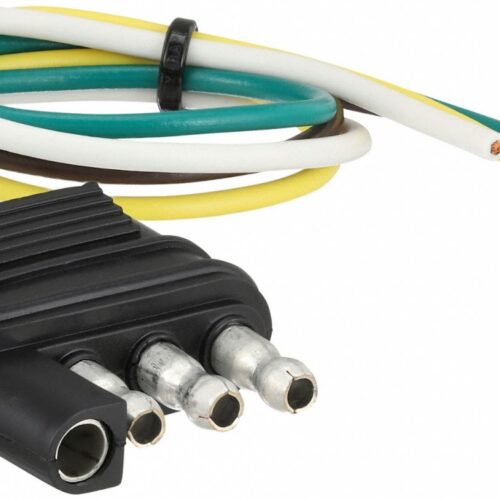
- Plug adapter
- Delivery options
- Flexible pickup or return
- Clear instructions
A renter may choose a slightly higher-priced trailer if it saves them time or helps them feel more prepared.
For example, a dump trailer with a tarp, ramps, and clear debris rules may feel more valuable than one with limited details. An enclosed trailer with accurate interior dimensions and clean photos may feel more reliable for a move. A car hauler with a winch and clear tie-down information may stand out to someone hauling a project car.
Your listing should make the value obvious.
If your description does not explain what is included, renters may only compare the price and miss why your trailer is a better fit.
4. Use Weekly Pricing to Encourage Longer Rentals
Daily rentals are great, but some renters need a trailer for more than one day. Weekly pricing or longer-rental discounts can make your listing more appealing for those jobs.
Weekly pricing may work well for:
- Home renovation projects
- Landscaping jobs
- Construction cleanup
- College move-in or move-out
- Event setup
- Long-distance hauls
- Small business projects
- Farm or property work
A renter who needs a trailer for several days may be more likely to book if the total price feels reasonable compared to paying the full daily rate every day.
For hosts, weekly pricing can also help keep the trailer booked for longer stretches with fewer handoffs.
That does not mean every trailer needs a large weekly discount. It just means you should think about how your trailer is most likely to be used.
If renters in your area usually need one-day hauls, your daily rate may matter most. If renters often need multi-day access, weekly pricing can help your listing compete.
5. When Should You Offer Discounts?
Discounts can be helpful, but they should have a purpose.
A discount may make sense if you want to:
- Encourage longer rentals
- Fill slower days
- Compete with similar listings nearby
- Reward multi-day bookings
- Make your listing more appealing during slower seasons
- Test demand for a new trailer
On towlos, hosts can update pricing and discounts by going to Host HQ, selecting My Fleet, choosing the trailer, and clicking Pricing and Availability.
If you recently listed your trailer and are still learning your market, you can test pricing and adjust as you go. You may start with a competitive daily rate, add a weekly discount, and watch how renters respond.
Your pricing should work for both the renter and your business. Do not discount so much that the rental no longer feels worth your time, maintenance, and trailer wear.

6. Think Seasonally
Trailer demand can change throughout the year.
Spring may bring yard cleanup, mulch, landscaping, and home projects. Summer may bring moves, lake trips, events, and equipment hauling. Fall may bring hunting season, college move-in, property cleanup, and outdoor projects. Winter demand may slow down in some places, while other areas may still need trailers for work, moves, or business use.
Seasonal pricing does not have to be complicated. It can be as simple as reviewing your pricing before busy seasons and making sure your listing is ready.
Ask yourself:
- Is this a busy time for my trailer type?
- Are similar trailers nearby getting booked?
- Are local projects, events, or move-in dates increasing demand?
- Should I update my photos before the season starts?
- Should I adjust availability?
- Should I add or remove a discount?
A utility trailer near a college town may see more demand around move-in and move-out. A dump trailer may see more interest during spring and fall cleanup. A boat trailer or utility trailer near a lake may be more useful in warmer months. A car hauler may get more attention around races, shows, or project car season.
The best seasonal strategy is to pay attention to your local renters and adjust before demand hits.
7. Watch Renter Questions and Booking Activity
Your renters can tell you a lot about your pricing.
If you are getting a lot of messages but few bookings, your listing may need clearer details, better photos, or a price adjustment. If renters keep asking about multi-day pricing, a weekly discount may help. If your trailer books quickly every time it is available, you may be priced too low or have strong demand in your area.
Pay attention to questions like:
- Is this available this weekend?
- Do you offer delivery?
- Can I rent it for a full week?
- Do you have a discount for multiple days?
- Is a tarp or straps included?
- Can I pick it up tonight?
- What size is it?
- How much weight can it haul?
These questions show what renters care about. Use them to improve your listing and your pricing.
If you want to learn more about renter questions at pickup, read What Questions Should I Ask Before Handing Over the Keys?.
8. Keep Your Listing Strong Enough to Support the Price
A strong price needs a strong listing.
Before raising your rate, make sure your listing gives renters enough confidence to book. That means clear photos, accurate specs, helpful descriptions, and updated availability.
Your listing should include:
- Trailer type
- Trailer size
- Payload capacity
- Hitch size
- Connector type
- Brake controller requirements, if needed
- Ramp or gate details
- Tie-down points
- Included extras
- Common use cases
- Pickup and return expectations
- Clean, current photos
If your trailer looks well-maintained and the listing answers common questions, renters are more likely to understand the value.
If your listing is missing key information, price may become the only thing renters compare.
9. Adjust Without Overthinking It
Your trailer pricing is not permanent.
If you are not getting interest, try improving the listing before cutting the price too much. Add better photos, update the description, clarify included extras, and make sure availability is accurate.
If the listing is strong but still not getting bookings, test a small price adjustment or add a longer-rental discount.
If your trailer is booking often and renters are happy, you may have room to raise the price.
Good trailer rental pricing is something you keep learning, not something you set once and forget.
Use towlos, local competitors, renter questions, and your own booking activity to guide changes over time.

Final Thoughts
Pricing your trailer well means balancing daily rates, weekly discounts, seasonal demand, and local competition.
Start by comparing similar trailers near you on towlos. Hosts can also browse state landing pages, like Alabama trailer rentals, to get a better feel for local trailer availability and pricing.
Then think about your trailer’s condition, features, extras, pickup experience, and local demand. Use weekly pricing when longer rentals make sense, review your pricing before busy seasons, and adjust as you learn what renters in your area need.
Ready to update your listing? Log in to towlos, review your trailer under My Fleet, and adjust pricing in Pricing and Availability.