
 By
By You’d think a trailer hitch is a trailer hitch… until you try to rent one in Australia or hook up a caravan in the UK. Trailer towing around the world shows just how the need to haul gear, goods, and toys is universal, but the way people tow—and what they tow with—can vary wildly across the globe.
Whether you’re a trailer enthusiast or just curious how things work outside the U.S., here’s a look trailer towing around the world.
United States & Canada – The Ball Hitch Standard
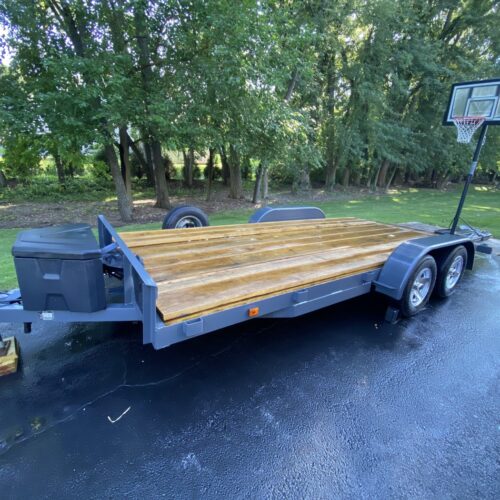
In the U.S. and Canada, trailer towing is a way of life. Most setups use 2″ or 2 5/16″ ball hitches, and you’ll see everything from utility trailers and dump trailers to massive toy haulers on the road.
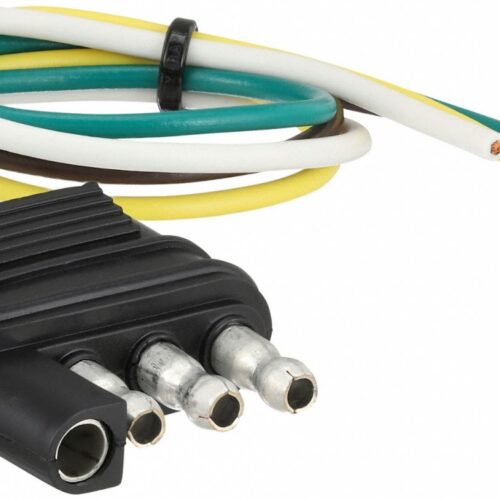
Bumper-pull and gooseneck hitches are common, and you don’t need a special license in most states unless you’re towing extreme weights. Trailer brakes and 7-way electrical connectors are standard, and the DIY spirit is strong—especially with platforms like Towlos making peer-to-peer trailer rentals easier than ever.

Europe – Lightweight Caravans & Tight Regulations
Across Europe, things get a bit more technical. Instead of the traditional U.S. ball hitch, many vehicles use a swan-neck or detachable tow bar, and electrical connections come in 7-pin or 13-pin varieties (so don’t forget that adapter if you’re towing overseas!).
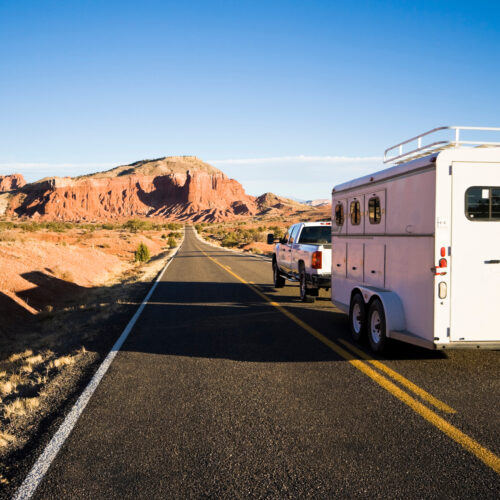
Caravanning is huge in places like the UK, France, and Germany, but vehicles are generally smaller—so are the trailers. Tow mirrors are often required, and strict regulations on trailer weight, speed, and braking systems are common. In some countries, you may even need an additional license to tow over a certain weight.

Australia & New Zealand – Built for Off-Road
Australia doesn’t mess around when it comes to towing. With wide-open landscapes and rugged terrain, hitches here are made for the wild.
Instead of a standard ball mount, off-road hitches like the DO35 or Treg hitch are popular, offering better articulation on uneven ground. Caravanning is a lifestyle in Australia, and you’ll often see heavy-duty setups with electric trailer brakes, independent suspensions, and dual spare tires. Towing laws are strict—especially when it comes to brake requirements and load distribution.

South America – The Utility Factor
In South America, towing often comes down to function and necessity. While trailer use varies by country, setups tend to be more DIY and less standardized. You’ll see all kinds of homemade trailers and adapted vehicles hauling tools, produce, or building materials.
Formal regulations are often looser than in the U.S. or Europe, but urban areas may have more oversight. Towing here is all about practicality and making the most of what’s available.
Africa – Workhorses of the Road
Across much of Africa, trailers are essential for farming, transportation, and commerce. Hitch setups vary widely depending on the region—some are robust and professionally made, while others are more improvised.
In rural areas, you’ll see trailers towed by trucks, tractors, and even motorbikes. In cities, towing is more regulated, with safety standards in place for commercial loads. Off-road capabilities are also important, especially in regions where paved roads are rare.
Asia – Small-Scale Towing, Big Innovation
Towing looks very different in much of Asia, where high-density cities and smaller vehicles mean trailers aren’t always practical—or even legal—in the ways they are elsewhere.
In places like Japan and South Korea, trailers are compact, efficient, and highly specialized. In other regions, scooters or tuk-tuks might do the heavy lifting. Licensing and regulation are often strict, and the design of trailers leans toward creative problem-solving in tight spaces.
Trailer towing around the world- Final Thoughts
Wherever you are in the world, the need to tow something is always there. Whether you’re hauling lumber, a race car, a boat, or your vacation gear, how you do it—and what you use—depends on your environment, vehicle, and local laws.
At towlos, we’re all about making towing safer, smarter, and more accessible. While we’re focused on the U.S. for now, we love seeing how people move things around the world—and who knows? Maybe someday we’ll be renting trailers from coast to coast and continent to continent.