
 By
By Whether you’re moving a project car, hauling your race setup, or transporting a vehicle for work, an Auto transport Trailer is one of the most efficient and secure ways to get the job done. But if you’ve never used anAuto transport Trailer before, it can be intimidating—especially when it comes to choosing the right type and making sure your vehicle is properly loaded and secured.
Here’s a simple breakdown to help you understand what an Auto transport Trailer is, when to use one, and how to safely transport your vehicle like a pro.
What Is an Auto Transport Trailer?
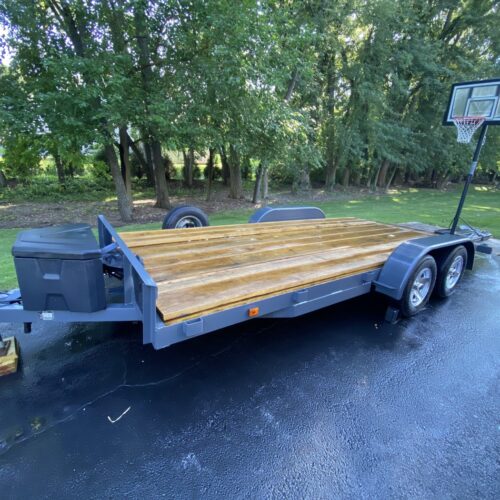
An auto transport trailer is a flatbed or enclosed trailer designed specifically for hauling vehicles. It’s equipped with ramps, tie-down points, and often a winch to make loading and unloading easier. Depending on the setup, it may be open (perfect for shorter hauls or easy access) or enclosed (ideal for protecting vehicles from weather or road debris).
These trailers are commonly used by car enthusiasts, dealerships, and everyday drivers who need to move a vehicle from one place to another without putting extra miles or wear on it.
Types of Auto Transport Trailers
Not all auto transport trailers are the same. Knowing the main types will help you decide which one fits your needs best:
- Open Car Hauler – The most common option, great for transporting standard vehicles, project cars, or even equipment. It’s lighter and easier to tow than enclosed versions.

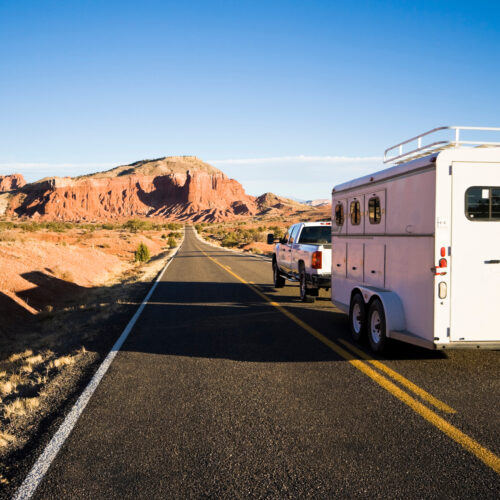
- Enclosed Car Hauler – Offers full protection from weather and debris—ideal for classic cars, high-end vehicles, or long-distance hauls.

- Tilt Deck or Drive-Over Fender Trailer – Designed for low-clearance cars or vehicles with wider tires. The bed tilts for easy loading without the need for separate ramps.

Each trailer style has its own benefits, so consider your vehicle type, towing setup, and how far you’ll be traveling before deciding.
How to Load and Secure Your Vehicle
Loading your vehicle onto an auto transport trailer might look simple, but doing it safely requires a few key steps:
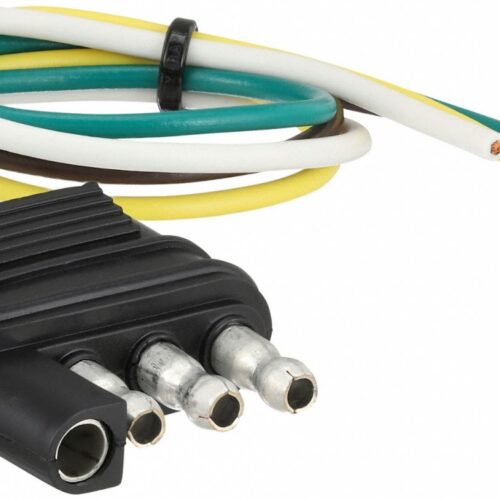
- Inspect the Trailer: Before you start, check the trailer’s tire pressure, lights, brakes, and tie-down straps.
- Position the Trailer: Park on a flat, level surface. Make sure the trailer is securely hitched to your tow vehicle and the parking brake is on.
- Align and Load: Use the ramps (or tilt deck) to slowly drive or winch the vehicle up onto the trailer, keeping it centered.
- Secure the Vehicle: Use high-quality straps or wheel nets to secure all four corners of the car. Tighten them evenly to prevent shifting during transport.
- Double-Check Everything: Walk around the setup to make sure straps are tight, ramps are stowed, and nothing is loose.
A properly secured vehicle won’t move or bounce while towing—a key factor in preventing damage.
Safety Tips for Towing
Even if your setup looks perfect, towing always requires extra attention on the road. Keep these tips in mind:
- Make wide, slow turns to account for trailer length.
- Leave extra space when braking.
- Avoid sudden acceleration or sharp steering.
- Periodically stop to recheck straps and connections, especially on long trips.
Remember, the goal isn’t just to get there—it’s to get there safely, with your vehicle in perfect condition.
Renting an Auto Transport Trailer
You don’t need to own an auto transport trailer to get the job done. Renting one through a platform like towlos makes it easy to find a trailer near you that fits your specific needs—whether you’re hauling a compact car, a lifted truck, or a race car.
By renting directly from local trailer owners, you can often save money, find flexible pickup options, and get personalized advice from people who actually use their trailers.
Final Thoughts
An auto transport trailer is an essential tool for anyone who needs to move vehicles safely and efficiently. Once you understand the basics—choosing the right type, loading properly, and following key safety steps—you’ll feel much more confident towing.
If you’re ready to move your next vehicle with ease, browse available auto transport trailers near you at towlos.com and get hauling.