
 By
By Winter storms aren’t always common in the South, but when they do hit, they tend to cause more disruption than expected. Colder temperatures, moisture, and slick roads can all take a toll on your trailer if you’re not prepared. Whether you own a trailer or plan to rent one during the colder months, taking a little time for winter trailer prep can help prevent damage, breakdowns, and unsafe towing conditions.
Below are practical steps to get your trailer ready before temperatures drop and winter weather rolls in.
Winter Trailer Prep: Inspect Your Trailer Tires Before the Cold Hits
Cold weather causes tire pressure to drop, sometimes significantly. Low tire pressure can affect handling, braking, and overall safety while towing.
Before a winter storm:
- Check tire pressure and inflate to the manufacturer’s recommended PSI
- Inspect tread depth and look for uneven wear
- Watch for cracks, dry rot, or bulges, especially on trailers that sit unused
Don’t forget the spare tire. It’s often overlooked and just as vulnerable to cold temperatures.
Protect the Trailer Battery
If your trailer is equipped with a battery, cold weather can quickly expose a weak or failing one.
For winter trailer prep:
- Fully charge the battery before temperatures drop
- Disconnect it if the trailer will be stored for an extended period
- Store the battery indoors if possible or use a trickle charger
A dead battery can affect breakaway systems, lights, and other critical components.
Check Lights, Wiring, and Brakes
Winter weather and moisture can create electrical issues fast. Before towing in cold or wet conditions, test everything.
Be sure to:
- Test all trailer lights and turn signals
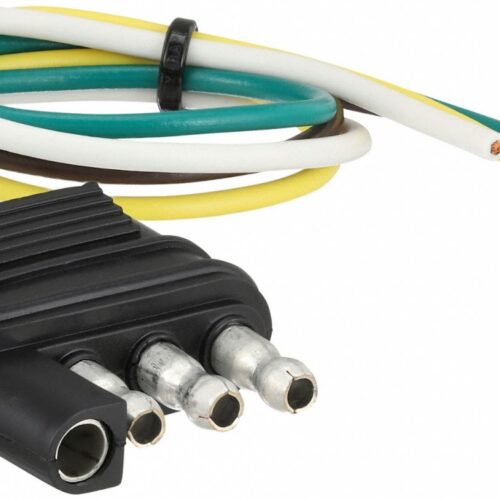
- Inspect wiring for exposed or brittle sections
- Make sure trailer brakes engage smoothly and consistently
Catching electrical issues early can save you from roadside headaches later.
Prep the Hitch, Coupler, and Moving Parts
Cold weather can cause metal parts to stiffen, freeze, or rust if they aren’t properly maintained.
As part of your trailer winterization:
- Grease the coupler, jack, hinges, and latch points
- Check safety chains for rust or damage
- Make sure locks and pins move freely
Well-lubricated components perform better and are less likely to seize in cold conditions.
Store and Secure Your Trailer Properly
How and where you store your trailer during winter matters more than many people realize.
If possible:
- Park on solid ground, not grass or mud
- Use wheel chocks to prevent movement
- Avoid low spots where water can collect and freeze
- Cover exposed trailers to protect from moisture and debris
Proper storage is a key part of winter trailer prep, especially in regions not used to prolonged cold.
Towing a Trailer During a Winter Storm
If you’re renting or towing a trailer during winter weather, take extra precautions on the road.
Keep these tips in mind:
- Check weather conditions before pickup or departure
- Allow extra stopping distance
- Reduce speed on slick or icy roads
- Load lighter when conditions are poor
- Avoid sudden braking or sharp turns
Winter towing requires patience. Rushing increases the risk of accidents and damage.
Do a Post-Storm Trailer Check
After the storm passes, take a few minutes to inspect your trailer before your next tow.
Quick checks include:
- Rechecking tire pressure
- Inspecting for water intrusion or rust
- Testing lights and brakes again
A post-storm inspection helps ensure your trailer is still road-ready.
Winter Trailer Prep: Final Thoughts
Winter storms in the South may be short-lived, but their impact on trailers can last if you’re not prepared. A solid winter trailer prep routine helps protect your equipment, improve safety, and keep your trailer ready whenever you need it.
Whether you’re storing, towing, or renting a trailer this winter, preparation is the difference between a smooth haul and an unexpected problem.