 By
By Last updated: September 16, 2026
Trailer lights are one of the most important safety features on any trailer. They help other drivers see when you are braking, turning, changing lanes, or driving in low-light conditions. But when trailer wiring gets loose, damaged, or exposed, those lights can quickly stop working.
One small part that can make a big difference is the trailer wiring clips used to secure electrical lines along the trailer frame.
Loose wiring is a common cause of trailer light failure. When wires hang down, rub against metal, drag on the road, or get caught on cargo, they can fray, disconnect, or short out. Frame and wiring clips help keep those electrical lines tucked up and secured to the trailer frame, reducing the risk of wiring damage during use.
Here is why trailer wiring clips matter and what trailer owners should know about them.
Whether you are renting a trailer for a move, cleanup project, equipment haul, or mountain trip, working lights should always be part of your pre-trip check. Renters browsing Asheville trailer rentals can compare local options and message hosts before pickup to confirm trailer details.
What Are Trailer Wiring Clips?
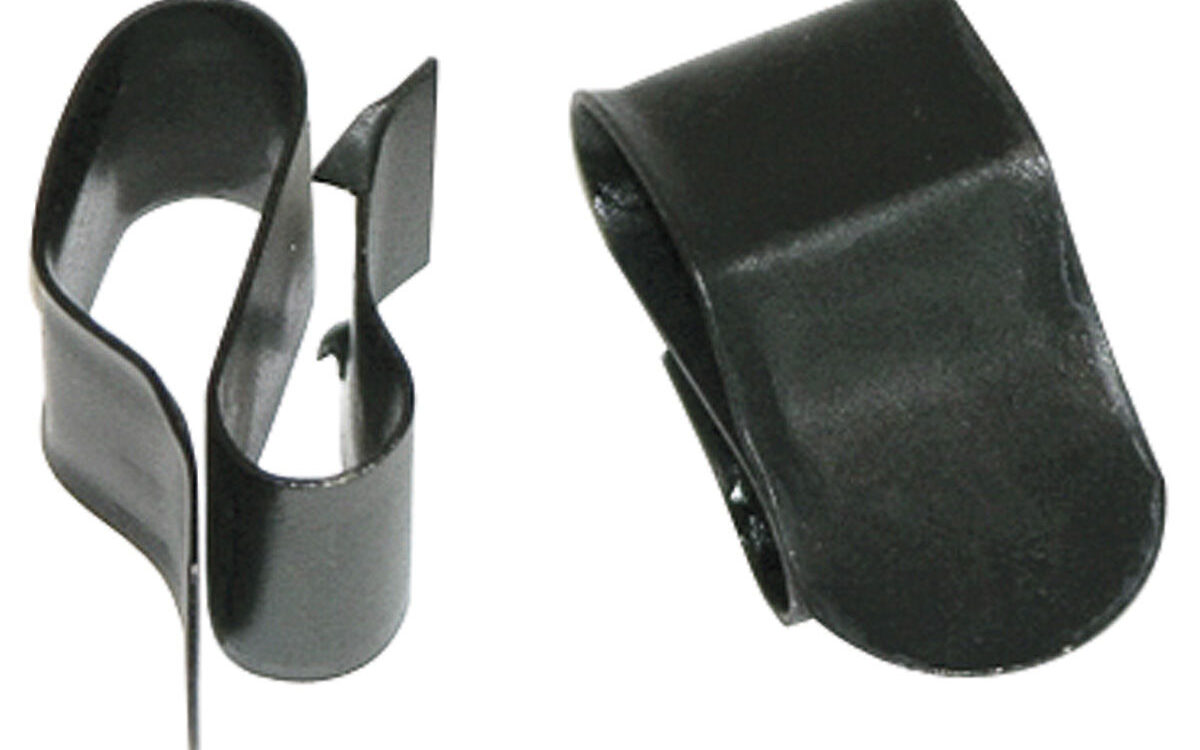
Trailer wiring clips are small clips used to hold trailer wiring in place along the frame. They help secure electrical lines to the steel edges or frame rails of a trailer so the wiring does not hang loose underneath.
Many clips are designed to attach to the trailer frame without drilling, which makes them a simple option for organizing wiring and keeping it protected. Instead of letting wires dangle or relying only on zip ties, wiring clips give the electrical lines a cleaner and more secure path along the trailer.
They may be small, but they play an important role in keeping a trailer’s lighting system protected.

Why Loose Wiring Is a Problem
Loose wiring may not seem like a big deal at first, but it can cause several issues over time.
When trailer wiring is not secured properly, it can:
- Rub against the trailer frame
- Hang too close to the road
- Get pinched near moving parts
- Catch on branches, cargo, ramps, or debris
- Pull away from lights or connectors
- Fray, crack, or expose copper wiring
- Create shorts or intermittent light issues
- Once wiring becomes damaged, trailer lights may flicker, stop working, or fail at the worst possible time.
This can create safety concerns for the driver, the renter, and everyone else on the road.
Trailer Lights Depend on Protected Wiring
Your trailer lights are only as reliable as the wiring behind them. Brake lights, turn signals, running lights, and marker lights all depend on properly connected and protected wiring.
If the wiring gets damaged, the lights may not work consistently. Sometimes the issue may show up as one light going out. Other times, the lights may work one minute and fail the next.
That can be frustrating for trailer owners and renters, especially if the problem happens right before pickup or while someone is already on the road.
By using trailer wiring clips to keep electrical lines secured, trailer owners can help prevent many common wiring problems before they start.
Frame Clips Help Keep Wiring Secure
Frame clips are useful because they hold wiring close to the trailer frame. This keeps the wiring out of the way and helps prevent it from moving around while the trailer is being towed.
A trailer deals with vibration, bumps, turns, loading, unloading, weather, and road debris. Over time, all that movement can loosen wiring if it is not secured well.
Frame clips help reduce movement by giving the wiring a firm place to stay. This can help protect the wires from wear and tear and make the trailer look more organized underneath.
No-Drill Options Can Make Installation Easier
Some frame and wiring clips are designed to attach directly to steel frame edges without drilling. This can be helpful for trailer owners who want to secure wiring without putting holes in the frame.
No-drill clips can be a simple solution for organizing loose wires, replacing missing clips, or cleaning up a trailer’s electrical setup.
Before using any clip, make sure it fits the trailer frame and holds the wiring securely. The goal is to keep the wires in place without pinching or damaging them.
Where Wiring Clips Are Most Helpful
Trailer wiring clips can be useful in several areas of the trailer, especially where wires are most likely to hang, move, or rub.
Common areas include:
- Along the main trailer frame
- Near the tongue of the trailer
- Around the rear lights
- Along side rails
- Near marker lights
- Around enclosed trailer wiring runs
- Near the axle area, if wiring is routed nearby
- Around the 4-way or 7-way connector wiring
Anywhere wiring looks loose, sagging, or exposed, it may need extra support.
Check Wiring Before Each Rental
If you rent out your trailer, wiring should be part of your regular pre-rental check.
Before each rental, take a quick walk around the trailer and look at the lights, plug, and visible wiring. Make sure no wires are hanging low, dragging, pinched, or rubbing against sharp metal edges.
You should also test the brake lights, turn signals, running lights, and marker lights before the renter leaves.
If you notice loose wiring, missing clips, or a light that works inconsistently, fix the issue before the trailer goes out.
A few minutes of inspection can help prevent delays, safety concerns, and unhappy renters.
Signs Your Wiring May Need Attention
Trailer wiring problems can show up in different ways. Some are obvious, while others are easy to miss.
Watch for signs like:
- Trailer lights flickering
- One light not working
- Brake lights or turn signals failing
- Wires hanging below the frame
- Cracked or frayed wire covering
- Loose connectors
- Corrosion around plugs or lights
- Lights working only when the wire is moved
- Wiring rubbing against metal
If you notice any of these issues, do not ignore them. Loose or damaged wiring usually gets worse over time.
Wiring Clips Can Help Your Trailer Look More Professional
Good wiring is not just about function. It also makes a trailer look better maintained.
When a renter sees clean, secured wiring, working lights, and an organized trailer setup, it creates more confidence. It shows that the trailer owner pays attention to details and takes care of the equipment.
That matters, especially for trailer rentals. A well-maintained trailer can make the rental experience feel smoother and more trustworthy from the start.
Do Not Rely on Temporary Fixes
Zip ties, electrical tape, and quick fixes can be useful in certain situations, but they are not always the best long-term solution.
If wiring is loose, damaged, or poorly routed, take the time to secure it properly. Trailer wiring clips, protective loom, replacement connectors, and proper routing can all help create a more reliable setup.
Temporary fixes may get the lights working for the moment, but a cleaner wiring setup can help prevent the same issue from happening again.
Final Thoughts
Trailer wiring clips may be small, but they can make a big difference in keeping your trailer lights working properly. Loose wiring can lead to frayed wires, failed lights, shorts, and safety issues on the road.
By securing electrical lines to the trailer frame, frame and wiring clips help protect the wiring from movement, rubbing, dragging, and damage.
If you own a trailer, take a few minutes to inspect your wiring, check for loose lines, and make sure your lights work before each trip or rental.
A clean, secure wiring setup helps protect your trailer, creates a better experience for renters, and keeps everyone safer on the road.
Need a trailer for your next project? Browse North Carolina trailer rentals on towlos to compare local trailer options, then use the towlos app to message your host before pickup.