 By
By When it comes to towing, most people think about the hitch, the ball size, the trailer lights, or making sure the load is tied down. But one of the most important safety features on any trailer is also one of the easiest to overlook: the safety chains.
Trailer safety chains are a simple piece of equipment, but they play a major role in keeping your trailer connected to your tow vehicle if something goes wrong. Whether you are renting a utility trailer for a weekend project, hauling equipment, or moving something heavy, safety chains should always be part of your pre-trip check.
What Are Trailer Safety Chains?
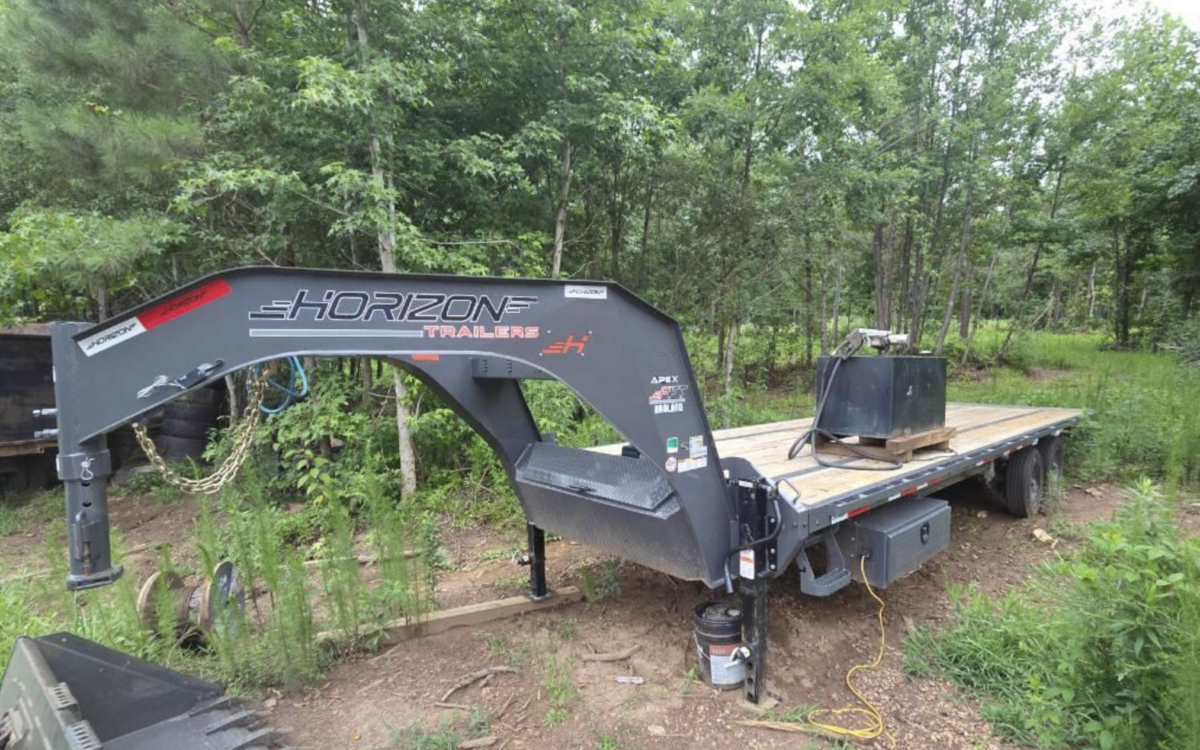
Trailer safety chains are the two chains attached to the front of a trailer tongue. They connect from the trailer to the tow vehicle’s hitch or frame attachment points.
Their job is to act as a backup connection between the trailer and the tow vehicle. If the trailer coupler ever comes loose from the hitch ball, the safety chains help keep the trailer from completely separating from the tow vehicle.
In other words, safety chains are your backup plan.

Why Are Safety Chains Important?
Even when a trailer is hooked up correctly, towing comes with movement, bumps, turns, braking, and road conditions that can put stress on the connection between the trailer and tow vehicle.
Safety chains help reduce the risk of a trailer becoming completely detached if the coupler, hitch, or connection fails. When properly attached, they can help keep the trailer close enough to the tow vehicle for the driver to safely slow down and pull over.
Without safety chains, a disconnected trailer can become extremely dangerous for the driver, nearby vehicles, pedestrians, and property.
Why You Should Cross Trailer Safety Chains
Safety chains should typically be crossed underneath the trailer tongue before being attached to the tow vehicle.
Crossing the chains creates a cradle under the trailer tongue. If the trailer comes off the hitch ball, the crossed chains can help catch the tongue and keep it from dropping directly to the road.
The chains should have enough slack to allow for turning, but not so much slack that they drag on the ground. If chains are dragging, they can wear down, spark, or become damaged.
A good safety chain setup should be:
- Crossed under the trailer tongue
- Attached securely to the tow vehicle’s hitch or frame connection points
- Short enough to avoid dragging
- Long enough to allow safe turns
- Free of rust, cracks, bent hooks, or broken links
Safety Chains Are Not a Fix for an Improper Hitch Setup
Safety chains are important, but they should never be used as a replacement for a proper hitch connection.
Before towing, always make sure:
- The hitch ball is the correct size for the trailer coupler
- The coupler is fully seated on the hitch ball
- The coupler latch is locked
- The trailer jack is fully raised
- The safety chains are attached and crossed
- The trailer lights are connected and working
- The load is secured and balanced
A few extra minutes checking your setup can prevent major issues on the road.

Where Can You Buy Trailer Safety Chains?
If your trailer safety chains are missing, damaged, too short, or too worn, they should be replaced before the trailer is used again.
You can usually buy trailer safety chains at:
- Trailer supply stores
- Farm and ranch stores
- Auto parts stores
- Hardware stores
- Big-box home improvement stores
- Online trailer parts retailers
When buying replacement safety chains, make sure they are rated for your trailer. Not all chains are the same, and the chain rating should match or exceed the trailer’s towing needs. If you are unsure what size or rating you need, check your trailer manufacturer’s guidance or ask a trailer parts professional.
What To Do If Your Trailer Comes Undone While Driving
If your trailer comes loose while towing, stay as calm as possible. Sudden steering or slamming on the brakes can make the situation worse.
Here’s what to do:
- Hold the steering wheel steady.
- Ease off the gas.
- Avoid sudden braking if possible.
- Gradually slow down.
- Turn on your hazard lights.
- Carefully move to the shoulder or a safe area away from traffic.
- Do not continue towing until the trailer connection has been fully inspected.
Once you are safely stopped, check the coupler, hitch ball, safety chains, wiring, and trailer tongue for damage. If anything is bent, broken, or unsafe, do not continue driving. Call for roadside assistance or a qualified towing professional.
A Simple Pre-Trip Safety Chain Check
Before every rental or tow, take a minute to check the safety chains.
Ask yourself:
- Are both chains attached?
- Are they crossed under the trailer tongue?
- Are they secured to the tow vehicle, not just loosely hooked?
- Do they have enough slack for turns?
- Are they off the ground?
- Are the hooks, links, and attachment points in good condition?
This quick check can make a big difference.
Final Thoughts
Trailer safety chains may seem like a small detail, but they are one of the most important parts of a safe towing setup. They provide a backup connection, help protect other drivers on the road, and give you more control if something unexpected happens.
At towlos, we want every rental to be as safe and smooth as possible. Whether you are a trailer owner or a renter, always take the time to check your safety chains before hitting the road.
A safe tow starts before you ever leave the driveway.