 By
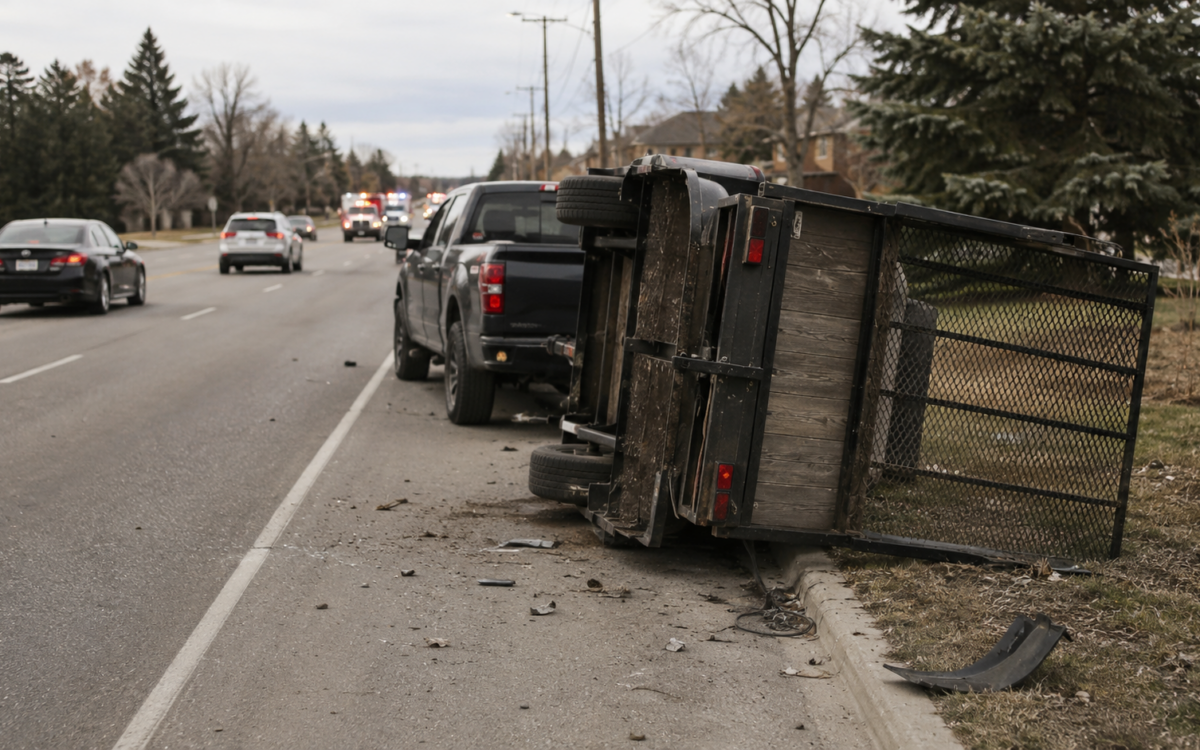
By No one rents a trailer expecting something to go wrong, but accidents can happen. Whether it is a minor fender bender, trailer damage, cargo shifting, a roadside issue, or a more serious crash, knowing what to do next can help you stay calm and handle the situation the right way.
During a trailer rental, your first priority should always be safety. After that, it is important to document what happened, contact the right people, and follow the proper reporting steps.
Here is what to do if an accident happens during a trailer rental.
1. Make Sure Everyone Is Safe
Before anything else, check yourself, your passengers, and anyone else involved. If someone is hurt, call 911 right away.
Do not worry about the trailer, cargo, or damage before checking for injuries. People come first.
If it is safe to do so, move yourself and others away from traffic. Turn on hazard lights and stay aware of passing vehicles. If the accident happens on a busy road, highway, bridge, or shoulder, use extra caution.
2. Move to a Safe Location If You Can
If the trailer and tow vehicle can move safely, pull over to a safer spot nearby. This may be a shoulder, parking lot, side street, or other area away from traffic.
Do not move the vehicle or trailer if someone is injured, if the trailer is unstable, if cargo has spilled into the road, or if moving could make the situation worse.
If you are unsure, wait for emergency responders and follow their instructions.
3. Call the Police When Needed
If there are injuries, major damage, a blocked roadway, another vehicle involved, or any safety concern, call the police. Some states also require accident reports depending on the amount of damage or whether someone was injured.
Even if the accident seems minor, a police report can be helpful for insurance, documentation, and claims. Reporting rules can vary by state and situation, so it is better to take the proper steps at the scene.
When police arrive, explain what happened clearly and calmly. Ask how you can get a copy of the accident report once it is available.
4. Stick to the Facts
After an accident, it is important to stay calm and focus on the facts. Share clear, accurate information with the other driver, police, host, insurance company, and towlos support if needed.
Avoid guessing about what happened or making assumptions before everything has been reviewed. Instead, document the scene, collect the necessary information, and explain what you know clearly.
You can still be polite and helpful while letting the proper parties review the details, photos, reports, and insurance information.
5. Exchange Information
If another driver is involved, exchange basic information before leaving the scene.
Get the other driver’s:
- Name
- Phone number
- Driver’s license information
- License plate number
- Insurance company
- Policy number if available
- Vehicle make and model
You should also write down the location, time, road conditions, and any important details about what happened.
If there are witnesses, ask for their name and phone number as well.
6. Take Photos and Videos
Documentation matters, especially during a trailer rental.
- Take clear photos and videos of:
- The tow vehicle
- The trailer
- Any other vehicles involved
- Trailer hitch connection
- Safety chains
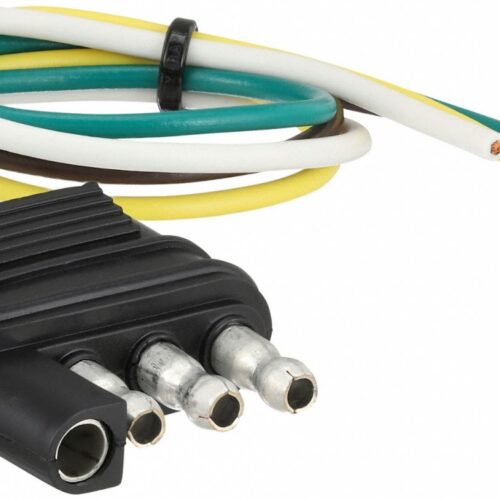
- Trailer lights and wiring
- Tires
- Cargo or load placement
- Tie-downs or straps
- Damage from multiple angles
- Road conditions
- Skid marks, debris, signs, or traffic signals
- The surrounding area
If cargo shifted or fell, document that too. Take more photos than you think you need. It is better to have too much documentation than not enough.
7. Contact the Trailer Host
After everyone is safe and you have handled any emergency steps, contact the trailer host as soon as possible.
Let them know what happened, where you are, whether anyone was injured, whether the trailer can still move, and whether police or emergency services are involved.
Be clear and honest. The host needs to know the condition of the trailer and whether it can be returned safely or needs assistance.
If you are using towlos, keep communication in the platform when possible so there is a clear record of updates.
8. Contact towlos Support
If the accident happened during a towlos rental, contact towlos support and report the incident.
Share the basic details, including the rental information, what happened, where it happened, whether anyone was hurt, whether a police report was filed, and whether the trailer or tow vehicle can still be driven safely.
You may also need to provide photos, videos, police report information, insurance information, and any other documentation related to the incident.
Reporting the issue quickly helps everyone understand the next steps.
9. Contact Your Insurance Company
Depending on the situation, you may also need to contact your insurance company. Many insurance policies require drivers to report accidents promptly, even if they do not immediately file a claim.
When you call, share the facts and provide any requested information. This may include photos, the police report number, the other driver’s information, and details about the trailer rental.
If you are unsure what your policy covers while towing a rented trailer, ask your insurance provider directly.
10. Do Not Keep Driving If the Trailer Looks Unsafe
After an accident, do not assume the trailer is safe to tow just because it still rolls.
Before moving it, check for visible problems like:
- Bent frame areas
- Damaged hitch or coupler
- Loose safety chains
- Broken lights or wiring
- Flat or damaged tires
- Damaged axle or wheel
- Loose ramps, doors, or gates
- Leaking fluids from the tow vehicle
- Cargo that has shifted
- Straps or tie-downs that failed
If anything looks unsafe, do not continue towing. Wait for roadside assistance, the host, law enforcement, or another qualified person to help decide the next step.
11. Protect the Cargo If You Can Do So Safely
If you are hauling furniture, equipment, tools, materials, or personal items, check the cargo only after you are safe.
If items shifted, broke, or spilled, take photos before moving anything. If the load creates a road hazard, let police or emergency responders know.
Do not put yourself in danger trying to save cargo. If traffic, weather, or road conditions make the area unsafe, wait for help.
12. Follow Return and Damage Instructions
After the accident has been reported, follow instructions from the host, towlos support, insurance provider, and law enforcement.
You may be asked to return the trailer, leave it in a safe location, wait for towing, provide additional photos, or complete follow-up documentation.
Do not attempt repairs or make decisions about damaged equipment without communicating with the host and towlos first.
13. Save All Records
Keep copies of anything related to the accident, including:
- Photos and videos
- Police report number
- Insurance claim number
- Messages with the host
- Messages with towlos support
- Roadside assistance receipts
- Repair or towing receipts
- Names and contact information
- Accident location and time
These records can help if questions come up later.
How to Help Prevent Accidents Before a Trailer Rental
Not every accident can be prevented, but good preparation can reduce the risk.
Before leaving with a trailer rental, check:
- Hitch connection
- Safety chains
- Trailer lights
- Tires
- Wiring plug
- Brake controller if needed
- Load balance
- Tie-downs and straps
- Trailer weight capacity
- Tow vehicle rating
- Mirrors and visibility
Take a few extra minutes before pickup and before the return trip to walk around the full setup. If something does not look right, ask questions before getting on the road.
Final Thoughts
An accident during a trailer rental can feel stressful, but staying calm and following the right steps can make the situation easier to handle.
Start with safety. Check for injuries, move away from traffic if possible, call 911 when needed, document the scene, exchange information, contact the host, report the issue to towlos support, and follow insurance and law enforcement instructions.
Most importantly, do not keep towing if the trailer, tow vehicle, or load looks unsafe.
If this is a towlos rental, be sure to submit a damage claim or request money from the deposit before ending the rental. This helps keep the issue documented and allows the proper next steps to be reviewed. You can always contact towlos with any questions.
Need a trailer for your next project? Find trailer rentals near you on towlos and use the towlos app to message your host before pickup.