
 By
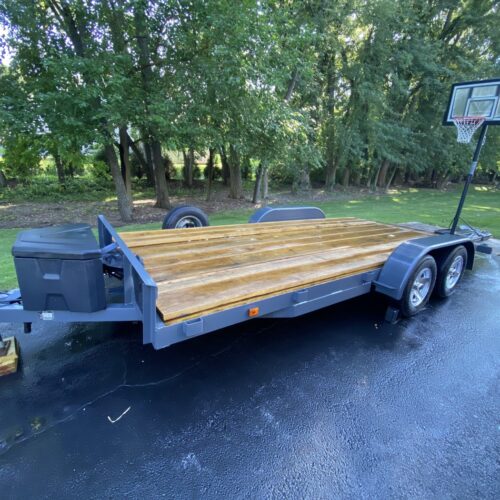
By Shopping for used trailers can be one of the best ways to get the hauling setup you need—without paying brand-new prices. But it’s also one of those purchases where a quick look and a handshake isn’t enough. A trailer can look great parked in someone’s driveway and still cost you money the second you tow it home.
This guide breaks down what to look for, what to ask, and how to make sure you’re buying a trailer that’s safe, legal, and actually worth the price.
Meta description: Buying used trailers? Here’s a practical guide to inspecting, pricing, and paperwork so you can buy a reliable trailer without costly surprises.
Why used trailers can be a great deal
A solid used trailer can save you thousands, especially if you’re:
- Hauling a few times a month (not every day)
- Starting a small business and watching cash flow
- Upgrading from “borrowing a buddy’s trailer” to owning your own
The key is buying based on condition—not paint color, not “it tows fine,” and definitely not just the price.
The biggest “make-or-break” checks before you buy
When people regret buying used trailers, it’s usually because of one of these:
1) Frame and welds
Look underneath and along the main rails.
- Surface rust is normal.
- Deep rust flaking, cracks, bent rails, or fresh welds in weird spots = red flag.
- Check tongue area closely (that’s where stress lives).
2) Axles, suspension, and bearings
- Ask when bearings were last repacked.
- Look for grease leaking from hubs, uneven tire wear, or a trailer sitting “crooked.”
- Bounce test: push down on the trailer—if it feels clunky or uneven, suspension parts may be tired.
3) Tires (and the date code)
Tires can look fine and still be old.
- Check tread and sidewall cracking.
- Look at the DOT date code on the tire (older tires can fail even with good tread).
4) Brakes and breakaway system (if equipped)
If it has trailer brakes:
- Verify the breakaway switch is there and wired.
- Ask if brakes were adjusted recently.
- If the seller says “brakes probably work,” assume they don’t until proven otherwise.
5) Lights and wiring
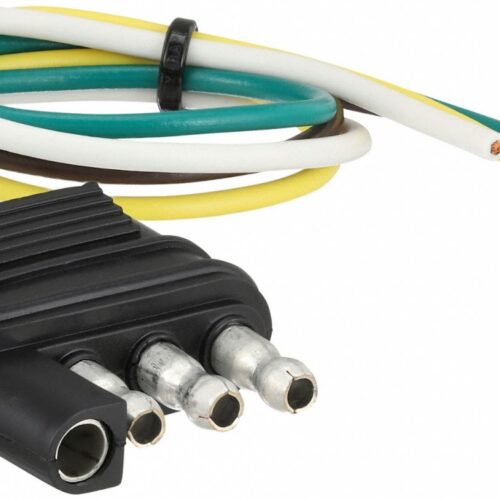
Bring a 7-way or 4-way tester if you have one, or plug into your vehicle.
- Running lights, brake lights, turn signals—test everything.
- Messy wiring “repairs” with electrical tape can turn into a constant headache.
Questions to ask the seller (that actually matter)
You’ll learn a lot just from how they answer these:
- Do you have the title/registration in your name? (Huge.)
- What’s the GVWR and payload? (Should be on the VIN sticker/plate.)
- Any accidents, axle replacements, or frame repairs?
- How was it used? (Landscaping daily vs. occasional furniture runs are very different.)
- When were the bearings last serviced? Tires replaced? Brakes serviced?
- Why are you selling it? (Not a deal-breaker—just context.)
Paperwork: don’t skip this part
With used trailers, paperwork is where people get burned.
Before money changes hands:
- Find the VIN on the trailer and make sure it matches the title/registration paperwork.
- Confirm what your state requires for transfer (title vs. registration-only varies).
- Get a bill of sale with VIN, sale price, and both parties’ info.
If the seller says, “It’s easy to get a bonded title,” treat that as a project you may not want.
What affects the price of used trailers?
A fair price usually depends on:
- Trailer type (utility, dump, car hauler, enclosed, equipment, etc.)
- Size and capacity (axle rating, GVWR, deck length/width)
- Brake setup (none vs. single axle vs. tandem with brakes)
- Condition (tires, deck boards, rust, wiring, ramps, coupler)
- Brand/build quality (some frames and components simply hold up better)
Tip: Don’t compare prices across different capacities. A “cheap” trailer with low payload isn’t a deal if it can’t do the job you need.
Quick inspection checklist (save this on your phone)
- ✅ VIN plate present and readable
- ✅ Coupler locks onto your ball size properly
- ✅ Safety chains not stretched or damaged
- ✅ Jack works smoothly
- ✅ Tires match, good tread, no dry rot
- ✅ Hubs not leaking, no grinding noise
- ✅ Frame straight, no cracks
- ✅ Deck solid, no soft spots (if wood)
- ✅ Ramps/door operate cleanly
- ✅ Lights fully working
- ✅ Brakes/breakaway tested (if applicable)
If you’re not ready to buy yet
If you only need a trailer occasionally, renting can be the smarter move. It lets you:
- Try different trailer types before committing
- Avoid maintenance costs (tires, bearings, brakes)
- Get the right size for each job
If you’re browsing used trailers but still deciding what fits your needs, towlos is a good place to rent different styles locally and figure out what you actually want to own.