 By
By As temperatures warm up and boating season starts calling your name, it is time to get your boat back in action. After months of winter storage, unwinterizing your boat is an important step that helps make sure everything is running properly before your first trip to the water.
Whether you are getting ready for lake days, fishing trips, or weekends at the sandbar, taking the time to properly unwinterize your boat can help you avoid breakdowns, leaks, dead batteries, and other early season headaches.
What Does It Mean to Unwinterize a Boat?
Unwinterizing a boat means reversing the steps you took to prepare it for winter storage. This usually includes reconnecting and charging the battery, checking fluids, inspecting the engine, testing electronics, flushing antifreeze from the system if needed, and giving the boat a full once over before launch.
The exact process depends on the type of boat you have, but the goal is always the same: make sure your boat is safe, clean, and ready for the season ahead.
Start With a Full Visual Inspection
Before turning anything on, begin with a careful visual inspection. Walk around the boat and trailer and look for anything that may have changed during storage.
Check for cracked hoses, loose wiring, signs of pests, corrosion, fluid leaks, and any damage to the hull or interior. Look over your seats, flooring, cover, propeller, lights, and fuel lines. If your boat sat outside, pay extra attention to weather related wear and tear.
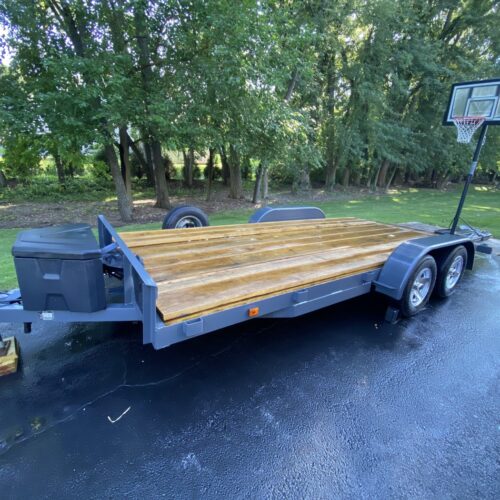
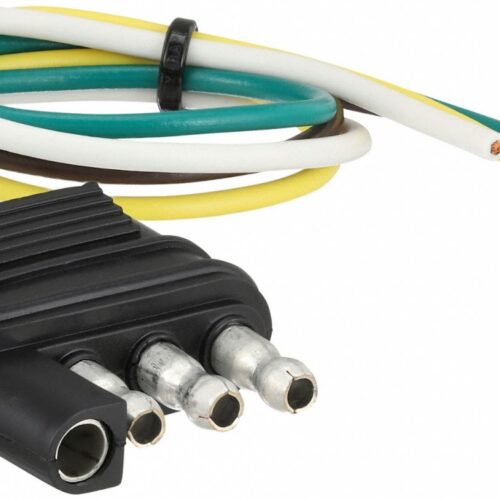
This is also a good time to inspect your trailer. Check the tires, lug nuts, trailer lights, straps, winch, and coupler so you are not only getting your boat ready, but also making sure it is safe to tow.
Reinstall and Charge the Battery
If you removed your battery for the winter, reinstall it and make sure the terminals are clean and tight. If the battery stayed in the boat, check the charge level before trying to start anything.
A weak or dead battery is one of the most common problems boat owners run into when bringing their boat out of storage. If the battery has been sitting too long or will not hold a charge, it may need to be replaced.
Once connected, test your electronics like navigation lights, horn, bilge pump, gauges, and radio.
Check Engine Oil and Fluids
Before starting the engine, inspect all fluids. Check the engine oil, lower unit oil if applicable, coolant on closed cooling systems, power steering fluid, and hydraulic steering fluid if your boat uses it.
If you changed the oil before storage, still double check levels and condition. If you did not, spring is a great time to handle routine maintenance before you hit the water.
Also inspect around the engine for any obvious leaks, cracked belts, or worn hoses.
Inspect the Fuel System
Fuel can become a problem if it sat too long over the winter, especially if it was not treated with a stabilizer. Check your fuel lines, primer bulb, fuel tank, and connections for cracking or brittleness.
If the fuel smells old or the boat was stored with untreated gas for a long period, you may need to drain and replace it. Water separating fuel filters should also be checked and replaced if needed.
A few minutes spent on the fuel system now can save you from frustrating engine trouble later.
Flush Out Antifreeze and Reconnect Systems
If your boat was winterized with antifreeze in the plumbing or engine system, now is the time to flush it out according to your manufacturer’s recommendations.
Reconnect any hoses or components that were disconnected during winterization. On wake boats, pontoons with sinks, cabin cruisers, or boats with livewells and washdown systems, test each water related feature to make sure it is working correctly.
Do not assume everything is fine just because it was when you put it away.
Test the Bilge Pump and Blower
Your bilge pump is one of the most important safety features on your boat, so make sure it is functioning before launch. Test both the automatic and manual settings if your system has both.
If your boat has an engine compartment blower, test that too. This is especially important on boats where fuel vapors could build up. Make sure it runs properly before starting the engine.
Inspect the Propeller and Lower Unit
Take a close look at the propeller for dings, cracks, or bent blades. Even small prop damage can affect performance on the water. Also check for fishing line wrapped around the prop shaft, which can damage seals over time.
Inspect the lower unit for signs of leaking gear oil or impact damage. If anything looks questionable, handle it before launching.
Check Safety Gear
Unwinterizing your boat is not just about making it run. It is also about making it safe.
Check that you have life jackets in the correct sizes, a fire extinguisher, throwable flotation device if required, updated registration, dock lines, anchor, horn or whistle, and first aid kit. Replace expired flares or other safety equipment if needed.
It is easy to overlook these items during the offseason, but they matter just as much as engine maintenance.
Start the Engine Before You Head Out
Do not wait until you are at the boat ramp to find out something is wrong. If possible, start the engine ahead of time using proper water supply equipment or have it tested professionally.
Listen for anything unusual and watch for warning lights, smoke, rough idle, or water flow issues. Let it run long enough to confirm things are operating the way they should.
A test run at home or at the shop can save you from a ruined first day on the water.
Give Your Boat a Good Cleaning
Spring is also the perfect time to clean up your boat after storage. Wash the exterior, clean the interior, wipe down compartments, remove mildew if needed, and inspect upholstery for any signs of damage.
A clean boat makes it easier to spot issues and just feels better when it is finally time to launch for the season.
Do Not Forget the Trailer
It is easy to focus only on the boat, but the trailer deserves just as much attention. Check tire pressure, grease the bearings if needed, inspect the brakes, test the lights, and make sure your straps and winch are in good shape.
If you are hauling your boat to a service shop, marina, or launch ramp, your trailer needs to be just as ready as your boat is.
Final Thoughts on Unwinterizing Your Boat
Unwinterizing your boat is one of the best ways to start boating season off right. A little time spent checking systems, testing equipment, and handling small maintenance tasks now can help you avoid bigger problems later.
Before your first trip, make sure both your boat and trailer are ready to go. That way, when the weather is right and the water is calling, you can focus on enjoying the day instead of dealing with unexpected issues.