
 By
By Last updated: October 7, 2026
Thinking about starting a rental business but not sure where to begin? You’re not alone. More and more people are realizing they can turn trailers, tools, and other equipment into steady income with just a few simple steps.
Whether you already own a trailer or are shopping for your first one, starting a trailer rental business does not have to be complicated. With the right setup, clear expectations, and a platform built for trailer rentals, your trailer can become a money-maker instead of sitting unused.

1. Get Set Up Legally
Before you start taking bookings, you’ll want to get your business set up the right way. This does not have to be overwhelming, but it is important to think through the basics before your first rental.
A few things to consider include:
- Forming an LLC: This can help separate your rental business from your personal finances. Costs vary by state, but forming an LLC often ranges from about $50–$300.
- Checking local requirements: Some cities or counties may require a business license to operate a rental business, so it is worth checking your local rules.
- Tagging and insuring your trailer: Make sure your trailer registration and insurance are up to date before renting it out.
- Choosing a storage location: Keep your trailer somewhere secure, accessible, and easy to coordinate for pickup or delivery.
- Planning your pickup style: Decide whether you want to offer contactless pickup, in-person handoff, delivery, or a mix of options.
Getting these details in place early can make your rental business feel more organized from the start.
2. Start With What You’ve Got
If you already own a trailer, you are already one step closer to starting a rental business. Instead of letting it sit unused, you can list it on towlos and start earning from equipment you already have.
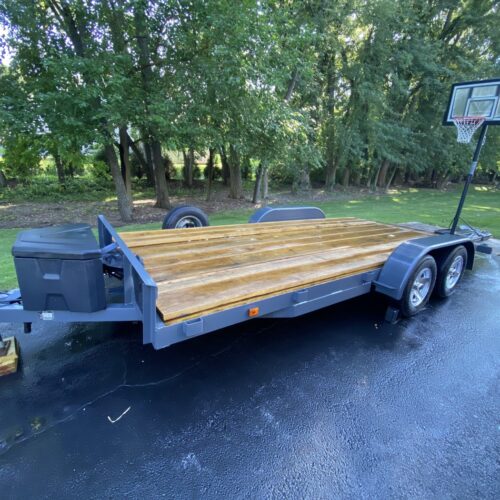
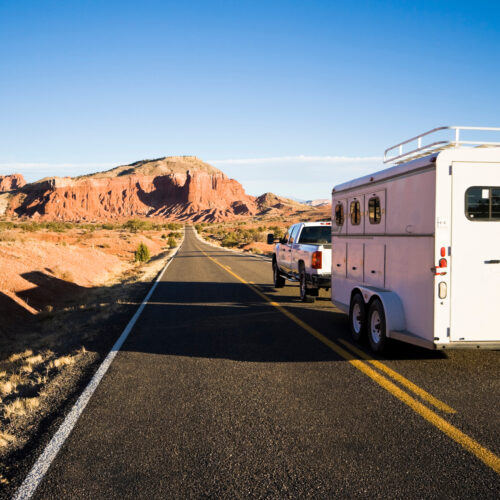
Many hosts start with one trailer and learn what works as they go. A utility trailer, dump trailer, enclosed trailer, car hauler, equipment trailer, or horse trailer can all serve different types of renters, depending on your area and the kinds of projects people are working on nearby.
If you are still deciding what kind of trailer to buy, take time to research what renters in your local market may actually need. Some areas may have more demand for dump trailers and utility trailers, while others may need enclosed trailers, car haulers, or equipment trailers more often.
Before making a purchase, it can also help to read How to Test Local Demand for Trailer Rentals Without Buying First so you can think through trailer type, local demand, and rental potential before investing.
3. Know Your Market
Before you price your trailer or start marketing it, think about who is most likely to need it.
Your ideal renters might include:
- Contractors
- Landscapers
- DIY homeowners
- Car enthusiasts
- Farmers
- Horse owners
- College students moving in or out
- Small business owners
- People handling cleanouts or weekend projects
Knowing your audience helps you price your rental fairly, write a better listing description, and attract the right guests.
For example, if you own a dump trailer, your renters may be homeowners, remodelers, roofers, or landscapers. If you own a car hauler, your audience may include car buyers, mechanics, auction shoppers, or motorsports enthusiasts.

Once you understand your market, you can also start promoting your trailer locally. Sharing your listing with contractors, storage facilities, repair shops, feed stores, or other nearby businesses can help more people find your trailer when they need it.
local trailer rental marketing tips.
4. Create a Strong Trailer Listing
A good listing can make a big difference in how confident renters feel before booking. Your listing should clearly explain what your trailer is, what it can be used for, and what the renter needs to know before pickup.
A strong trailer listing should include:
- Clear photos from multiple angles
- Trailer size and dimensions
- GVWR or payload capacity
- Hitch size
- Brake information
- Ramp details
- Tie-down points
- Delivery options
- Pickup instructions
- Rules and restrictions
- Included accessories
- Cleaning expectations
The goal is to answer common questions before a renter has to ask. A complete listing can help reduce back-and-forth messages, set better expectations, and make your trailer look more trustworthy.
5. Stay Consistent
Like any rental business, success comes from consistency. Keep your trailer clean, respond quickly to inquiries, and aim for five-star reviews. The more dependable you are, the faster your business will grow.
Starting a rental business is all about working smarter, not harder. With a little preparation and the right tools, your trailer can start earning for you year-round — even while you’re out enjoying your next adventure.