
 By
By If you ride, you already know the best days are the ones that start with a plan and end with a story. But sometimes the ride starts after the drive, track days, long-distance trips, picking up a new bike, or bringing one home after repairs. That’s where motorcycle trailers come in.
This guide breaks down the main types of motorcycle trailers, what to look for before you rent or buy, and how to load your bike so it arrives exactly how it left.
Why motorcycle trailers are worth it
Motorcycle trailers make transport easier when:
- You’re heading to a track day and don’t want to put miles on the bike
- You’re moving or traveling long distance
- You’re hauling a non-running bike
- Weather is sketchy and you’d rather keep the bike protected
- You’re picking up a bike from a private seller
The main types of motorcycle trailers
1) Open rail motorcycle trailers
These are the classic “single-rail” or “two-rail” style trailers made specifically for bikes.
Best for: quick trips, light towing, easy loading
Pros: lightweight, simple, usually cheaper
Watch for: limited weather protection and security
Good features to look for:
- Built-in wheel chock
- Multiple tie-down points
- A stable ramp with grip (not a sketchy narrow one)

2) Utility trailers (with the right setup)
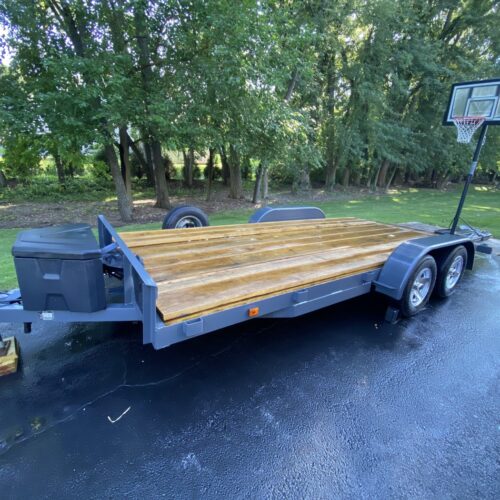
A standard utility trailer can work great as a motorcycle hauler if it’s wide enough and has secure anchor points.
Best for: riders who want a multi-use trailer
Pros: versatile (can haul more than just bikes), easier to find rentals
Watch for: ramp angle, decking, and tie-down placement
Pro tip: Add a wheel chock and use soft loops so you’re not yanking on handlebars or scraping paint.

3) Enclosed cargo trailers
If you want maximum protection, enclosed is the move.
Best for: long-distance hauling, high-value bikes, bad weather
Pros: protection from rain/rocks, better security, extra storage for gear
Watch for: heavier trailer weight, higher wind drag, more tow vehicle demand
Nice-to-haves:
- D-rings mounted to the frame
- Interior lighting
- Venting (helps with fuel smell and heat)
- Rear ramp door with spring assist

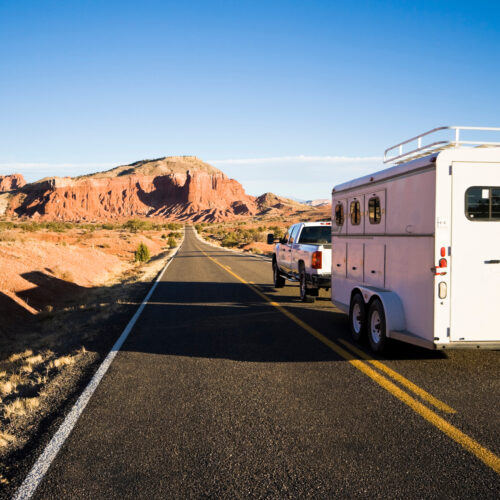
4) Toy haulers and larger enclosed options
If you’re hauling multiple bikes plus gear (or making weekends out of it), these can be ideal.
Best for: groups, long trips, racers
Pros: space + comfort + storage
Watch for: they’re large, heavy, and require a capable tow vehicle
What to check before choosing motorcycle trailers
Trailer capacity (don’t guess)
Look at:
- GVWR (max trailer weight)
- Payload capacity (how much it can carry)
- Your bike weight (wet weight, plus accessories)
- Gear weight (tools, stands, fuel, helmets)
A single bike setup is usually fine on most motorcycle trailers, but enclosed trailers can eat up capacity fast because the trailer itself is heavier.
Hitch and vehicle match
Before you tow:
- Confirm the trailer coupler size (commonly 2″ or 2 5/16″)
- Make sure your hitch rating matches the load
- Check if trailer brakes are included/required
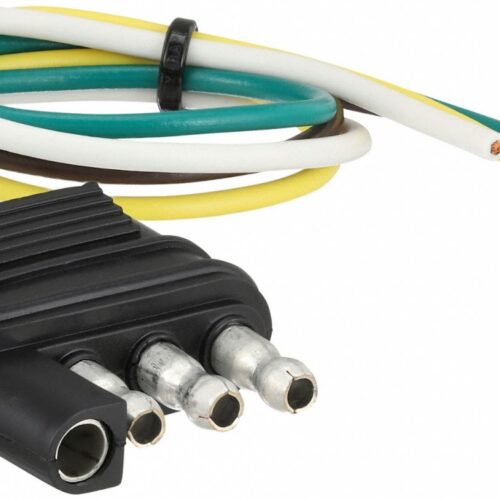
- Confirm you have the correct plug (4-pin vs 7-pin)
Ramp angle and loading stability
Loading is where people get nervous (for good reason). Look for:
- A wide, stable ramp with traction
- A low deck height (easier walk-up)
- A ramp that doesn’t flex like a diving board
If you’re loading alone, consider bringing a second ramp so you can walk next to the bike instead of balancing behind it.
How to load and tie down a motorcycle the right way
Here’s a simple, reliable process:
- Position the trailer on level ground and chock the trailer wheels.
- Load the bike straight up the ramp (slow and controlled).
- Seat the front wheel into a wheel chock (or snug against a front stop).
- Attach soft loops to solid points (typically lower triple clamp or sturdy fork area—avoid plastic).
- Use 4 tie-downs when possible:
- 2 front straps pulling forward and down
- 2 rear straps stabilizing side-to-side
- Compress the suspension slightly—not fully bottomed out.
- Shake test: the bike should feel like part of the trailer.
- Stop after 5–10 minutes of driving and retighten straps (they almost always settle).

Mistakes to avoid with motorcycle trailers
- Using old, frayed straps (strap failure is not rare)
- Hooking onto weak points (mirrors, plastics, thin subframes)
- Skipping a wheel chock (front wheel movement leads to loose straps)
- Over-tightening to the point you crush suspension seals
- No re-check stop early in the trip
Renting motorcycle trailers vs buying
Renting makes sense if:
- You only haul a few times a year
- You need different trailer types depending on the trip
- You don’t want storage or maintenance headaches
Buying makes sense if:
- You haul often (track days, frequent trips)
- You want a dedicated setup dialed in exactly how you like it
Wrap-up
The right motorcycle trailers setup is less about “what’s cheapest” and more about what keeps your bike stable, secure, and easy to load. Whether you choose an open rail trailer, a utility trailer with the right accessories, or an enclosed option for maximum protection, the goal is the same: safe transport with zero surprises.