 By
By If you are thinking about becoming a towlos host, one of the best things you can do is make sure your trailer is clean, safe, and ready before your first rental. A little prep work can help your listing look better, help renters feel more confident, and make the rental process smoother from the start.
Preparing your trailer for rent does not have to be complicated. The goal is to make sure your trailer is in good working condition, easy to understand, and ready for someone else to use safely.
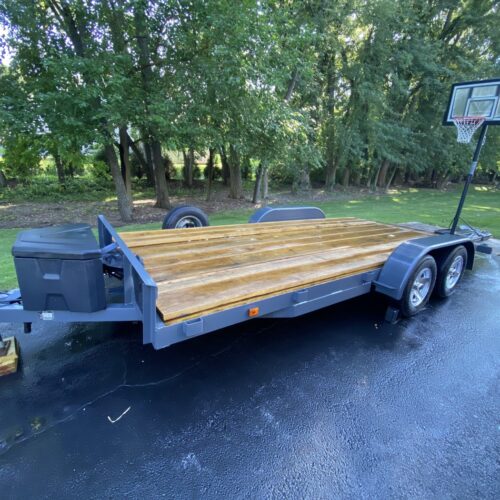
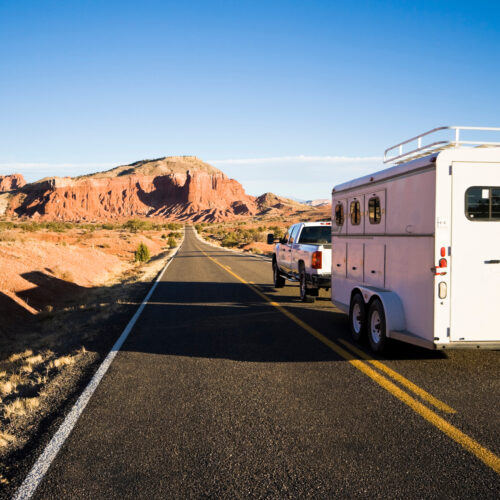
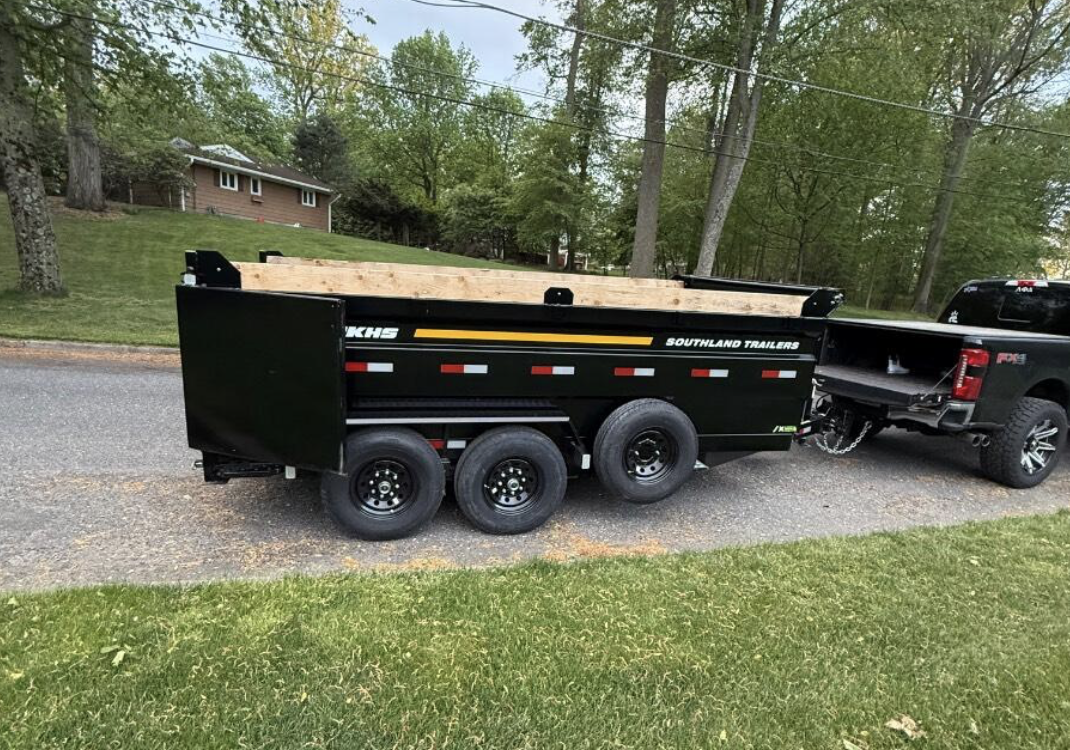
Whether you have a utility trailer, dump trailer, enclosed trailer, equipment trailer, car hauler, boat trailer, or horse trailer, here are a few simple steps to take before listing it on towlos.
Start With a Full Walkaround
Before you take photos or create your listing, do a full walkaround of your trailer.
Look at it from the same perspective a renter would. Check the tires, lights, wiring, coupler, jack, ramps, safety chains, fenders, flooring, doors, latches, and tie-down points.
You do not need to overthink it, but you do want to catch obvious issues before someone books.
Ask yourself:
- Does the trailer look clean?
- Do the lights work?
- Are the tires in good shape?
- Are the ramps or gates easy to use?
- Are the safety chains attached and in good condition?
- Does anything look loose, broken, or unsafe?
If something needs attention, fix it before your trailer goes live.
Clean the Trailer Before Taking Photos
Clean photos make a big difference. Before listing your trailer, take time to clean it up.
Sweep out the trailer bed, remove debris, wipe down surfaces if needed, and make sure the trailer looks presentable. If it is an enclosed trailer, remove clutter and show the inside clearly. If it is a dump trailer, clean out leftover dirt, gravel, branches, or debris.
Your trailer does not have to look brand new, but it should look well cared for. Renters are more likely to trust a trailer that looks clean and maintained.

Check the Tires
Tires are one of the most important things to check before renting out your trailer.
Look for worn tread, low pressure, cracks, bulges, dry rot, nails, or uneven wear. If your trailer has been sitting for a while, do not assume the tires are fine just because they still hold air.
Make sure you also check the spare tire if you have one.
A quick tire check before listing can help you avoid problems during a rental and gives renters more confidence when they arrive for pickup.
Test the Trailer Lights
Trailer lights should work before every rental. Brake lights, turn signals, and running lights all matter.
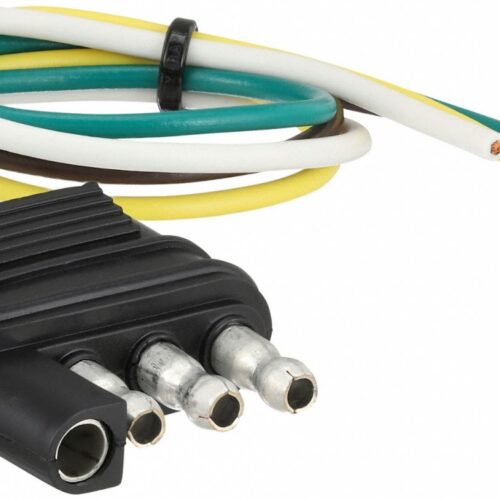
Before listing your trailer, hook it up to a tow vehicle and test the lights. If something is not working, check the plug, wiring, bulbs, and ground connection.
Light issues are one of the most common trailer problems, so it is worth fixing them before your first booking.
Inspect the Wiring
Loose or damaged wiring can cause trailer lights to fail or work inconsistently.
Look under the trailer and along the frame. Make sure wires are secure, protected, and not dragging. Watch for cracked wiring, exposed wires, loose clips, or places where wires may rub against sharp metal.
If needed, secure loose wiring with trailer wiring clips or protective loom. Small wiring fixes can prevent bigger headaches later.
Check the Hitch, Coupler, and Jack
The coupler, hitch setup, and jack get used every time your trailer is picked up or returned.
Make sure the coupler opens, closes, and locks correctly. Confirm the ball size so you can include it in your listing. Check that the jack cranks smoothly and can support the trailer when it is not attached to a vehicle.
If your coupler is sticky or hard to latch, fix it before renting the trailer out. Pickup should be as smooth as possible.
Look Over Safety Chains
Safety chains are an important part of the towing setup.
Check that your chains are securely attached, not badly rusted, and long enough to connect properly without dragging on the ground. Hooks should be in good shape and easy to use.
If chains or hooks are damaged, replace them before listing the trailer.
Check Ramps, Gates, Doors, and Latches
If your trailer has ramps, a ramp gate, barn doors, side doors, a dovetail, removable fenders, or a dump gate, make sure everything works correctly.
Open and close each part. Check hinges, pins, locks, latches, and moving pieces. Make sure ramps are secure and easy to use.
Renters need to know how to load and unload safely, so these details matter.
Inspect Tie-Down Points
Tie-down points are important for keeping loads secure.
Check D-rings, rails, stake pockets, E-track, hooks, or any other anchor points on your trailer. Make sure they are not broken, loose, bent, or badly rusted.
If you provide straps, inspect those too. Replace frayed straps, damaged hooks, or anything that looks worn out.

Gather Helpful Trailer Details
Before creating your listing, gather the basic details renters need to know.
Include information like:
- Trailer type
- Trailer size
- Deck length and width
- Payload capacity
- GVWR, if available
- Empty trailer weight, if available
- Ball size
- Connector type
- Brake setup
- Ramp or gate style
- Tie-down points
- Included extras
- Common uses
The more accurate your listing is, the easier it is for renters to know if your trailer is the right fit.
Take Clear Photos
Good photos can help your trailer stand out.
Take photos in good lighting, preferably outside during the day. Show the full trailer from multiple angles and include important details renters care about.
Helpful photos include:
- Front view
- Side view
- Back view
- Inside or deck view
- Tires
- Hitch and coupler
- Connector
- Ramps or gate
- Tie-down points
- Any included extras
Avoid using photos where the trailer is crowded by other items, hidden in the background, or shown as “for sale.” Renters should be able to clearly see the trailer they are booking.
Decide What Extras You Will Include
Some hosts include extras to make rentals easier.
This could include ratchet straps, a tarp, wheel chocks, a spare tire, a plug adapter, a hitch lock, moving blankets, or a winch.
You do not have to include everything, but whatever you do provide should be listed clearly. Renters need to know what comes with the trailer and what they should bring themselves.

Set Clear Rules and Expectations
Before your trailer goes live, think through your rules.
You may want to include expectations around cleaning, late returns, weight limits, allowed uses, delivery, pickup times, or materials that cannot be hauled.
Keep your rules clear and professional. The goal is to protect your trailer while still making renters feel welcome.
Keep Your Listing Accurate
Once your trailer is listed, keep the information updated.
If you replace tires, add a spare, change the price, update availability, fix lights, add straps, or change your pickup instructions, update your listing.
Accurate information helps renters book with confidence and helps avoid confusion before pickup.
Use the towlos App to Manage Rentals
Once your trailer is ready and listed, the towlos app can help you manage rentals from your phone.
You can keep up with messages, review booking details, and communicate with renters more easily. Quick communication can make a big difference, especially when renters have questions about hitch size, trailer features, pickup details, or what they can haul.
Final Thoughts
Getting started as a towlos host is easier when your trailer is prepared before your first rental. Clean it, inspect it, check the tires and lights, gather important details, take clear photos, and make sure your listing is accurate.
A well-prepared trailer can help renters feel more confident and help you create a better rental experience from the start.
List your trailer on towlos, keep it rental-ready, and use the towlos app to manage your rentals from your phone.