
 By
By Essential rental agreement clauses for trailer rentals should clearly explain who is renting the trailer, what trailer is being rented, when the rental starts and ends, what the guest is responsible for, what the host is responsible for, how payment and deposits work, and what happens if something goes wrong.
For towlos hosts, a rental agreement is not just paperwork. It helps set expectations before the trailer leaves your property and gives both sides a clearer record of the rental.
This post is not legal advice, but it can help trailer owners understand the key sections every trailer rental agreement should address.
1. Who Is Involved in the Rental?
A strong trailer rental agreement should start by identifying the people involved.
That usually means the host, the guest, and any approved additional driver or authorized guest. It should also define what the trailer is, what platform is being used, and what the rental period means.
Clear definitions help avoid confusion later.
For example, if only the guest or an authorized guest is allowed to tow the trailer, the agreement should say that. If a renter lets someone else tow the trailer without approval, that can create problems for the host.
This is also why it matters to keep communication inside the towlos platform. Hosts and guests can review booking details, messages, and rental information in one place.

2. What Trailer Is Being Rented?
The agreement should clearly identify the trailer.
Include details like:
- Make and model
- VIN, if applicable
- Trailer type
- Trailer size
- Maximum cargo weight or payload
- Pickup date
- Return date
- Rental period
- Total cost
- Security deposit
These details matter because they connect the agreement to one specific trailer and one specific rental.
If you rent out more than one trailer, this section is especially important. A utility trailer, dump trailer, enclosed trailer, car hauler, and equipment trailer may all have different rules, weight limits, hitch requirements, and use cases.
If your listing details are not clear yet, read How Hosts Can Write Better Trailer Descriptions before publishing or updating your listing.
3. How Are Payment and Deposits Handled?
Every trailer rental agreement should explain rental payment and security deposit expectations.
The agreement should make it clear that the guest is responsible for paying the rental fee and that a security deposit may be used for things like damage, missing items, or excessive cleaning, depending on the rental terms.
Payment and deposit language helps both sides understand what money is due and what the deposit may cover.
For hosts, this is one reason it is helpful to manage rentals through towlos instead of loose messages or handshake arrangements. The booking, payment, rental details, and communication stay more organized.
If you are still deciding how to price your trailer, read How Much Should I Charge for Trailer Rental? for more guidance.
4. What Does the Guest Need to Provide?
Before a trailer leaves, the host needs to know that the guest is prepared to tow it.
A rental agreement should address proof of identity and tow vehicle insurance. It should also make clear that the guest needs a proper tow vehicle and towing setup.
That may include:
- Valid driver’s license
- Tow vehicle insurance
- Adequate tow rating
- Proper hitch
- Correct ball size
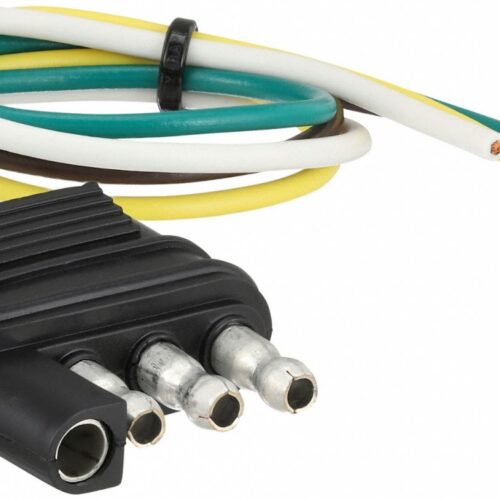
- Light plug socket or connector
- Brake controller, if required
- Safety chain hooks
The towlos sample rental contract includes a tow vehicle definition that references tow equipment like the hitch, ball, light plug socket, brake controller, and safety chain hooks. That kind of detail helps remind everyone that the tow setup matters.
Before pickup, hosts should still ask questions and confirm the renter is prepared. You can link readers to What Questions Should I Ask Before Handing Over the Keys? for a deeper pickup checklist.
5. What Can and Cannot Be Done With the Trailer?
Usage restrictions are an important part of any trailer rental agreement.
The agreement should explain how the trailer can be used, who can tow it, and whether there are any location or activity limits. It should also make clear that the trailer should be used in a safe and lawful manner.
Depending on the trailer, this section may address:
- Who is authorized to tow the trailer
- Whether the trailer can leave the country
- Whether certain materials are allowed
- Whether livestock can be transported
- Whether off-road use is allowed
- Weight limits
- Cleaning expectations
- Safe loading and unloading
The more specific the trailer, the more important this section becomes.
For example, livestock trailers, dump trailers, car haulers, and equipment trailers may need more detailed use rules than a small utility trailer.
If a renter’s plan does not match the trailer, the host should pause and ask more questions before approving or handing over the trailer.
6. Who Handles Maintenance and Repairs?
A good trailer rental agreement should explain maintenance and repair responsibilities.
In the towlos sample contract, the host is responsible for making sure the trailer is in proper working order at the start of the rental period. The guest is expected to handle routine checks like tire pressure and lights, and repairs beyond routine maintenance should be reported to the host.
That is a practical split for trailer rentals. The host should send out a rental-ready trailer, and the guest should use it responsibly during the rental period.
Before each rental, hosts should check:
- Tires and tire pressure
- Trailer lights
- Wiring
- Coupler
- Safety chains
- Jack
- Ramps or gates
- Latches
- Tie-down points
- Trailer bed
- Included extras
For more detail, link to Common Utility Trailer Problems and Quick Fixes for Hosts.

7. What Happens if Damage, Loss, or an Incident Happens?
A trailer rental agreement should explain responsibility if damage, loss, injury, or an incident happens during the rental period.
This section is often where liability and indemnity language appears. It should explain what the guest is responsible for during the rental and what claims or costs may arise from the guest’s use of the trailer.
This is also where hosts need to be careful with wording. If the blog mentions towlos coverage, use accurate Protect+ language. Protect+ is self-insured by towlos and covers physical trailer damage only, up to $35,000. It is not liability coverage, bodily injury coverage, or cargo coverage. Guests choose Basic with a $1,500 deductible or Premium with a $500 deductible.
If damage or coverage comes up in your post, link to towlos insurance page so readers can review the current details directly.
8. How Can the Agreement End?
A rental agreement should explain what happens if one side breaks the agreement or the rental needs to end early.
This is usually called a termination clause. It may explain that either party can terminate the agreement with written notice if the other party breaches the terms, and that the guest must return the trailer if the agreement is terminated.
For hosts, this matters because it gives the agreement a clear path if something goes wrong.
Most rentals should be simple: pickup, use, return. But if a guest violates the terms, refuses to communicate, uses the trailer in a way that was not approved, or does not return it as expected, the agreement should explain what happens next.
9. What Legal and Signature Details Should Be Included?
A trailer rental agreement should also include basic legal and signature details.
That may include:
- Governing law
- Terms of use
- Electronic signatures
- Guest signature
- Host signature
- Date signed
- Acknowledgment of responsibilities
Electronic signature language is helpful because many rentals are handled online. The agreement should make clear that electronic signatures have the same intent as paper signatures.
The agreement should also connect to the platform’s terms of use when applicable. For towlos rentals, both parties should review and agree to the towlos Terms of Use.
10. Why Does This Matter for towlos Hosts?
A clear rental agreement helps protect the rental experience.
It gives the host and guest a shared understanding of what is being rented, when it is due back, who can tow it, what setup is required, what rules apply, and what happens if there is damage or a problem.
For hosts, this is especially important because trailers are working equipment. They haul weight, travel on public roads, and may be used for messy or specialized jobs.
A rental agreement does not replace good communication, but it supports it.
Before pickup, hosts should still review the renter’s tow vehicle, confirm the hitch and connector, discuss the load, explain pickup and return expectations, and document trailer condition.
The agreement sets the foundation. The handoff makes it real.
Final Thoughts
Essential rental agreement clauses for trailer rentals should cover the parties involved, trailer details, rental period, payment, deposit, proof of identity, tow vehicle requirements, usage restrictions, maintenance, repairs, damage responsibility, termination, governing law, terms of use, and signatures.
For towlos hosts, the goal is not to make the rental process complicated. The goal is to make sure everyone understands the basics before the trailer leaves.
A clear agreement, good pickup instructions, accurate listing details, and strong communication can help hosts rent more confidently.
Ready to rent your trailer with a more organized process? List your trailer on towlos and manage your rentals, messages, and booking details from your phone.