 By
By When you rent out your trailer, pickup and return are a big part of the rental experience. A smooth handoff can help renters feel more confident, protect your trailer, and reduce confusion before the trailer leaves your property.
For towlos hosts, there are two main ways to handle pickup and return: contactless trailer handoff or in-person trailer handoff. Both can work well, but each one has its own pros and cons.
The best option depends on your trailer, your schedule, your comfort level, and how much guidance the renter may need.
What Is a Contactless Trailer Handoff?
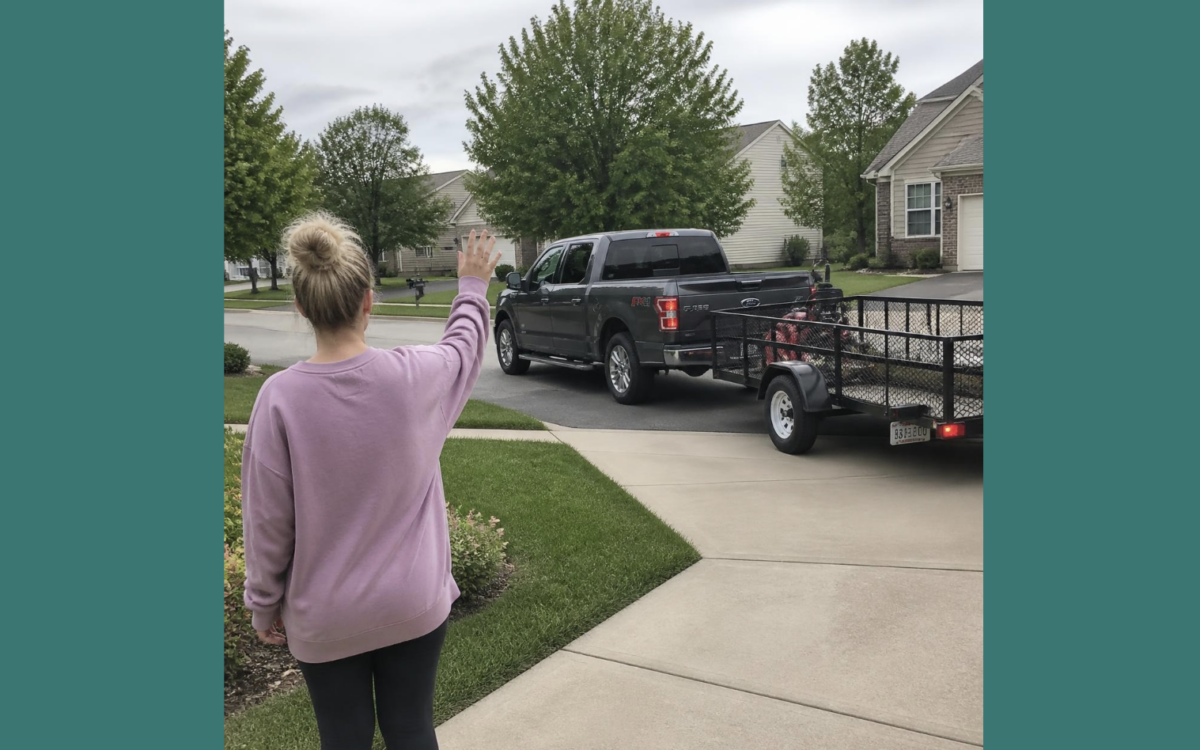
A contactless trailer handoff means the renter picks up or returns the trailer without meeting you face-to-face.
This may include leaving the trailer in a designated parking spot, using a lockbox, sharing clear pickup instructions, and communicating through the towlos app.
Contactless handoff can be convenient, especially if you have a busy schedule or rent your trailer often. But it also requires clear communication and a well-prepared trailer setup.

Benefits of Contactless Handoff
One of the biggest benefits of contactless handoff is flexibility.
You do not have to be available at the exact pickup or return time. This can make it easier to accept more rentals, especially if renters need early morning pickup, late evening return, or weekend access.
Contactless pickup can also save time. Once your instructions are clear, renters can follow the steps, hook up the trailer, take required photos, and be on their way.
It can be a great option for experienced renters who know how to tow and feel comfortable hooking up a trailer on their own.
Cons of Contactless Handoff
The biggest downside is that you are not there to walk the renter through the trailer.
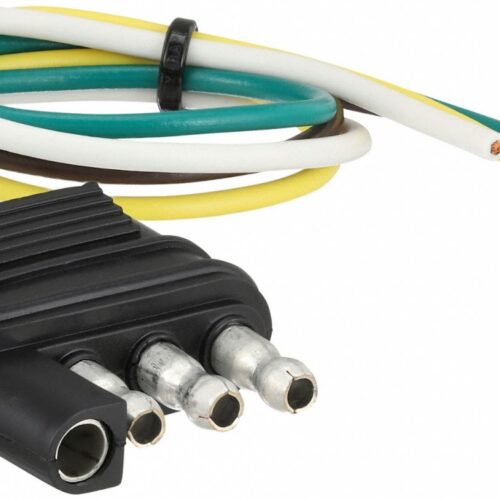
If the renter has questions about the hitch, connector, safety chains, ramps, lights, or loading setup, they may have to message you instead of asking in person.
Contactless handoff can also leave more room for mistakes if your instructions are not clear. A renter may park in the wrong spot, miss an important step, forget to test the lights, or struggle with the coupler.
If you choose contactless handoff, your pickup instructions need to be detailed and easy to follow.
What Is an In-Person Trailer Handoff?
An in-person trailer handoff means you meet the renter when they pick up or return the trailer.
This gives you a chance to review the trailer, answer questions, check the tow setup, confirm lights are working, and make sure the renter understands how to use the trailer safely.
For many hosts, this feels like the most comfortable option, especially for first-time renters or larger trailers.

Benefits of In-Person Handoff
In-person handoff gives you more control over the pickup process.
You can confirm the renter has the correct hitch, connector, and tow vehicle setup. You can show them where the ramps are, how the gate works, where the tie-down points are, and what to check before driving away.
It also gives you a chance to catch small issues before the rental starts. If a light is not working, a chain is dragging, or the trailer is not sitting level, you can address it right away.
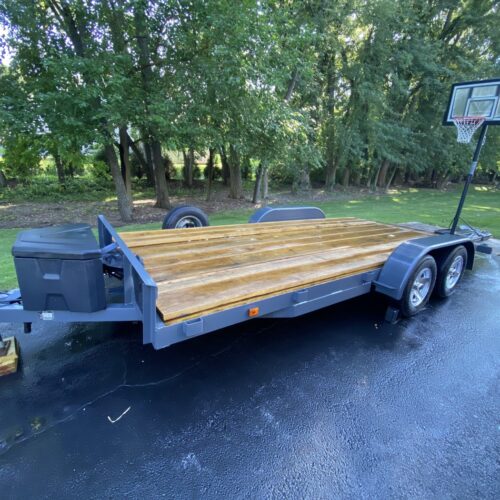
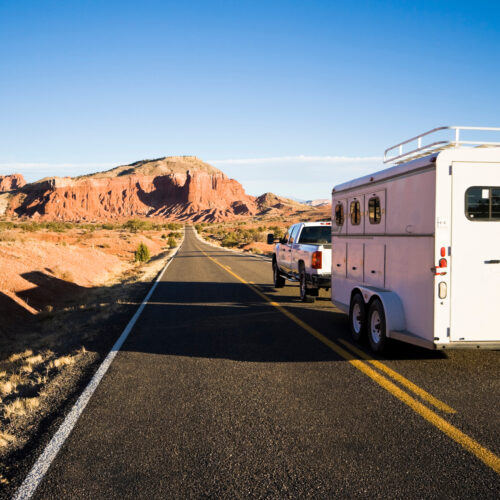
For hosts who rent out dump trailers, enclosed trailers, car haulers, equipment trailers, horse trailers, or other higher-value trailers, in-person handoff can add extra peace of mind.
Cons of In-Person Handoff
The main downside of in-person handoff is time.
You have to be available when the renter arrives and when they return the trailer. If the renter is late, your schedule may be affected.
It can also make rentals harder to manage if you have multiple trailers, frequent bookings, or renters with different pickup windows.
In-person handoff may be worth it, but it does require more coordination.
When Contactless Handoff May Work Best
Contactless handoff may be a good fit if:
- The renter is experienced
- The trailer is simple to use
- The pickup location is easy to access
- You have clear written instructions
- The trailer is parked in a safe, visible area
- The renter already confirmed hitch and connector details
- You are comfortable communicating through the towlos app
Contactless pickup can work especially well for basic utility trailers or repeat renters who already understand the process.
When In-Person Handoff May Work Best
In-person handoff may be better if:
- The renter is new to towing
- The trailer is large or specialized
- The trailer has electric brakes
- The trailer has ramps, gates, a winch, or dump features
- The pickup area is tricky to access
- You want to inspect the tow setup before departure
- You want to explain rules or loading instructions clearly
If the trailer requires more guidance, meeting in person can help prevent confusion and protect your equipment.
How towlos Makes Contactless Handoff Simple
If you decide contactless handoff is the right fit for your trailer, towlos helps make the process easier to manage.
Through towlos, hosts and renters can communicate before pickup, confirm important details, and keep rental information in one place. You can use the towlos app to share pickup instructions, answer renter questions, and remind them what to bring before they arrive.
This is especially helpful for contactless rentals because clear communication matters even more when you are not meeting face-to-face.
You can use towlos messages to confirm:
- Pickup time
- Return time
- Trailer location
- Hitch size
- Connector type
- Brake controller requirements
- Where keys, locks, ramps, straps, or extras are located
- Any gate codes or access instructions
- Cleaning and return expectations
towlos also helps keep the rental process organized by giving both the host and renter access to booking details and rental communication from their phones.
For hosts who want flexibility, contactless handoff can be a great option. With clear instructions, accurate listing details, and good communication through towlos, you can make pickup and return simple without needing to be there in person every time.
What Hosts Should Include for Either Option
Whether you choose contactless or in-person handoff, your instructions should be clear.
Make sure renters know:
- Where to pick up the trailer
- Where to park
- What time to arrive
- What hitch size is required
- What connector type is needed
- Whether a brake controller is required
- How to test the lights
- How to connect safety chains
- Where ramps, straps, or extras are located
- How the trailer should be returned
- What condition it should be returned in
Good communication matters no matter which handoff style you choose.
Safety Should Always Come First
Convenience is important, but safety should always come first.
Before every rental, check the tires, lights, wiring, coupler, safety chains, jack, ramps, gates, latches, and tie-down points. Make sure the trailer is clean, ready, and in good working condition.
If something does not look right, fix it before the trailer leaves.
For contactless rentals, it is especially important to leave clear reminders for renters to check lights, safety chains, coupler connection, and load security before driving away.
Which Handoff Is Better?
There is no one-size-fits-all answer.
Contactless handoff is great for flexibility and convenience. In-person handoff is great for guidance, safety checks, and peace of mind.
Some hosts may use both depending on the rental. For example, you may prefer in-person pickup for first-time renters and contactless return once the renter knows where everything goes.
You may also choose contactless handoff for smaller utility trailers and in-person handoff for larger or more specialized trailers.
The right choice is the one that works best for your trailer, your schedule, and your comfort level.
Final Thoughts
Both contactless and in-person trailer handoff can work well for towlos hosts. Contactless handoff can save time and offer more flexibility, while in-person handoff can help renters feel more prepared and give hosts more control over the pickup process.
If you decide to offer contactless handoff, towlos makes it simple to communicate with renters, share pickup instructions, confirm booking details, and manage the rental from your phone.
No matter which option you choose, clear instructions, good communication, and a well-maintained trailer are key.
List your trailer on towlos, keep your pickup details updated, and use the towlos app to manage rentals and communicate with renters from your phone.