 By
By When it comes to towing, trailer wiring is one of those things you don’t think about until it becomes a problem. Whether you’re hauling a cargo trailer across town or prepping your trailer for rental on towlos, having your wiring set up correctly keeps you (and everyone else on the road) safe.
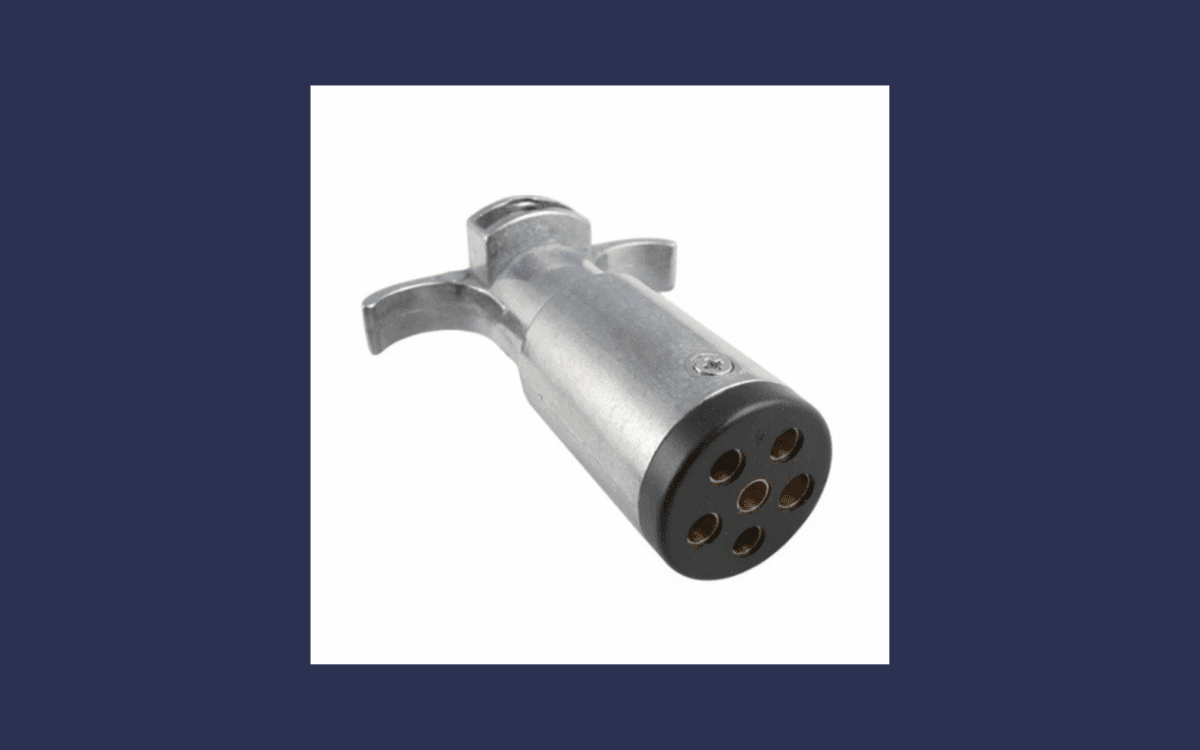
If your trailer uses a 6-way plug, common on cargo trailers, horse trailers, and utility trailers, this guide breaks down what each wire does, how to connect them, and a few safety tips to help you avoid headaches later.
What a 6-Way Trailer Plug Does
A 6-way plug connects your trailer to your tow vehicle so your:
- Brake lights
- Turn signals
- Running lights
- Electric trailer brakes
- Reverse lights (sometimes)
- 12V auxiliary power
all work properly.
Even though wiring colors can sometimes vary by manufacturer, most 6-way trailer wiring setups follow a standard pattern.
Standard 6-Way Trailer Wiring Color Guide
Here’s the most common layout you’ll see on a round 6-way plug:
- White — Ground
- Brown — Tail/running lights
- Green — Right turn/brake light
- Yellow — Left turn/brake light
- Blue — Electric trailer brakes
- Black — 12V battery/aux power
If something looks different on your trailer, trust the function — not the color. Use a test light or multimeter to confirm each wire’s job before connecting anything.

Step-by-Step: How to Wire a 6-Way Harness Safely
You don’t need to be an electrician to get this done. Just take your time and follow these steps:
1. Disconnect Power First
Unplug the trailer from the vehicle and disconnect any connected batteries. This prevents accidental sparks or shorts.
2. Strip and Prep Your Wires
Use wire strippers to remove about ¼” of insulation from each wire. Twist the copper strands so they’re tight and clean.
3. Match Each Wire to Its Proper Terminal
Most 6-way plugs are labeled inside. Line up each wire with the correct position (ground, brakes, left turn, etc.) and tighten the screws securely.
4. Secure Your Ground
The white wire should be firmly attached to the trailer frame. A weak ground is one of the most common causes of trailer wiring issues.
5. Use Heat Shrink or Weatherproof Connectors
Moisture is wiring’s biggest enemy. Seal every connection to prevent corrosion, especially if your trailer is stored outside.
6. Test Every Light and Function
Plug your trailer into the tow vehicle and check:
- Running lights
- Brake lights
- Right and left turn signals
- Electric brake activation
- Reverse lights (if equipped)
Fix anything that’s not working now, it won’t magically improve once you’re on the highway.
Common Trailer Wiring Problems (and Easy Fixes)
No brake lights? Check the ground wire first — it’s almost always the culprit.
One turn signal isn’t working? Inspect the bulb and the socket for corrosion.
Electric brakes cutting in and out? Check the blue wire for loose connections or rubbing on the frame.
Lights flicker when hitting bumps? Look for frayed wires where they pass through metal holes or sharp edges.
A Few Extra Safety Tips
- Use grommets anywhere wiring passes through metal
- Keep wiring secured tightly along the frame with clips or zip ties
- Carry spare fuses and bulbs in your tow vehicle
- Do a quick light check before every rental or trip — it takes 30 seconds
Final Thoughts
Getting your trailer wiring right isn’t just about avoiding a ticket — it’s about keeping your cargo, your renters, and everyone else on the road safe. A properly wired 6-way harness gives your trailer a more professional setup and helps ensure smooth rentals on towlos.
If you’re a towlos host, this is one of the easiest upgrades you can make to avoid cancellations, breakdowns, or midnight “my lights aren’t working” calls. Proper trailer wiring is an investment in reliability that pays off every time your trailer hits the road.