 By
By Last updated: September 8, 2026
The most common red flags when vetting trailer renters are unclear hauling plans, mismatched tow vehicles, missing details, rushed pickup requests, unsafe load plans, and renters who do not communicate clearly. If something feels off, it is okay to pause, ask more questions, or decline the request.
For towlos hosts, knowing when to say no to a guest is part of protecting your trailer and creating a better rental experience. Most renters are simply trying to get a job done, but a few warning signs can help you spot when a rental may not be the right fit.
Here are common renter red flags to watch for before handing over your trailer.
1. They Cannot Clearly Explain What They Are Hauling
One of the first questions a host should ask is simple: what are you hauling?
If the renter cannot answer clearly, that is a red flag. You need to know whether your trailer is the right fit for the job before it leaves your property.
A vague answer like “just some stuff” may not be enough if your trailer has weight limits, size limits, ramp requirements, or rules about certain materials.
Ask follow-up questions like:
- What are you hauling?
- About how much does it weigh?
- Is anything sharp, loose, messy, oversized, or unusually heavy?
- Will you need ramps, straps, a tarp, or an enclosed trailer?
- Are you hauling debris, furniture, equipment, a vehicle, or something else?
If the renter cannot explain the load, you may not be able to confirm the trailer is a safe match.
If the trailer does not seem right for the job, you can point them back to towlos trailer rentals so they can find a better fit.
2. Their Tow Vehicle Does Not Seem Like a Good Match
A renter’s tow vehicle matters. If the vehicle is not rated to tow your trailer and the expected load, the rental may not be safe.
This is especially important for dump trailers, enclosed trailers, car haulers, equipment trailers, and heavier utility trailers.
Red flags may include:
- The renter does not know what vehicle they are using
- The tow vehicle seems too small for the trailer
- They do not know their tow rating
- They do not have the right hitch receiver
- They plan to haul a heavy load without confirming capacity
- They seem unsure about towing basics
On towlos, renters provide tow vehicle insurance as part of the process, but hosts should still pay attention to the details and ask questions before pickup.
If the tow vehicle does not feel like a safe match, it is okay to decline the request or ask the renter to choose a different trailer.
3. They Do Not Have the Right Hitch, Ball, or Connector
Hitch and connector issues are common pickup-day problems.
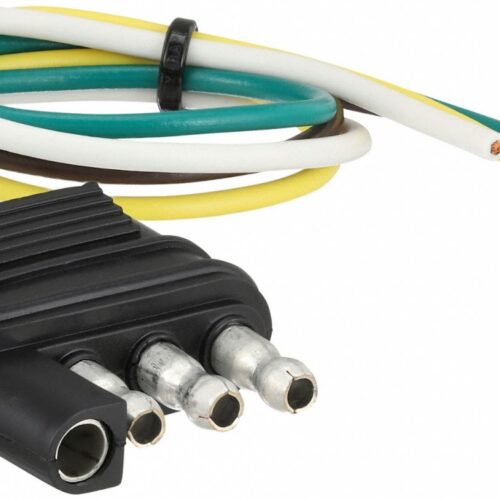
If your trailer requires a 2-inch ball, 2 5/16-inch ball, pintle hitch, 4-way connector, 7-way connector, or brake controller, the renter needs to know that before they arrive.
Red flags may include:
- They do not know what hitch they have
- They do not know their ball size
- They do not have the right trailer connector
- They need a brake controller but do not have one
- They assume “it will probably work”
- They arrive without an adapter or proper setup
A hitch mismatch may sound small, but it can delay pickup or create a safety issue.
If this comes up often, make sure your listing clearly includes hitch size, connector type, and brake controller requirements. You can also add these details to your trailer pickup instructions.

4. They Are Rushing the Process
Last-minute rentals can still go smoothly, but a renter who is rushing through important steps may be a red flag.
Be cautious if someone wants to pick up immediately but will not answer basic questions, confirm their tow setup, explain what they are hauling, or review pickup instructions.
Rushed renters may be more likely to skip important steps like testing lights, connecting safety chains correctly, checking the coupler, or securing their load.
Signs to watch for:
- “I need it right now” with very few details
- Pressure to skip questions
- Not reading instructions
- Not confirming pickup or return expectations
- Wanting to leave before lights and safety chains are checked
- Acting frustrated when you ask reasonable questions
Urgency should not replace safety.
If the renter is in a hurry, slow the process down. Ask the questions you need to ask, confirm the setup, and make sure everything is ready before the trailer leaves.
5. Their Load Plan Does Not Make Sense
A renter may have the right vehicle and the right hitch, but the load itself may still be a problem.
Some loads are too heavy, too tall, too wide, too messy, or not suited for your trailer. Others may require a different trailer type entirely.
Red flags include:
- Trying to haul more weight than the trailer can handle
- Wanting to load equipment without ramps or proper tie-downs
- Planning to haul loose debris without a tarp
- Trying to haul items that may damage the trailer
- Not knowing how they will secure the load
- Planning to overload the gate, ramp, or side rails
- Asking to use the trailer for something outside your rules
For example, a basic utility trailer may be great for furniture, lawn equipment, and small moves. A dump trailer may be better for dirt, mulch, gravel, branches, or debris. An enclosed trailer may be better for items that need weather protection.
If the load plan does not match your trailer, say so before pickup.
6. They Do Not Have a Plan to Secure the Load
Renters need to secure what they are hauling. If they do not have straps, chains, tie-downs, a tarp, or a plan, that is a warning sign.
Ask:
- Did you bring straps or tie-downs?
- Do you know where the anchor points are?
- Will anything need to be covered?
- Is anything likely to shift during the drive?
- Do you plan to stop and recheck the load?
If you provide straps, make sure they are in good condition and explain where they are located. If you do not provide straps, make sure the renter knows to bring their own.
A renter who has not thought about load security may need more guidance before leaving.
7. They Ignore Pickup Instructions
Clear pickup instructions help keep rentals smooth. If a renter ignores instructions before they even arrive, that may be a sign the rental could be difficult.
Red flags include:
- Not reading pickup details
- Going to the wrong location
- Arriving at the wrong time without notice
- Bringing the wrong equipment
- Not following gate or parking instructions
- Skipping required pickup steps
- Not completing required photos
This does not always mean the rental needs to be declined. Sometimes renters simply miss a message or need clarification. But if they repeatedly ignore basic instructions, it is worth paying attention.
The towlos app can help keep pickup details, messages, and rental communication organized from your phone. If you offer contactless pickup, clear instructions are even more important.
8. They Push Back on Reasonable Rules
Hosts are allowed to set clear rules for their trailer.
Rules may include weight limits, cleaning expectations, return timing, allowed materials, where the trailer can be used, whether delivery is available, and what condition the trailer should be returned in.
A renter who asks questions is not a problem. A renter who argues with reasonable rules may be.
Red flags include:
- Wanting to exceed weight limits
- Asking to haul prohibited items
- Refusing to clean out the trailer
- Pushing for pickup outside your stated availability
- Ignoring return expectations
- Trying to use the trailer for a different purpose than described
- Acting like safety checks are unnecessary
Good renters usually understand that hosts want to protect their equipment. If someone is pushing you to ignore your own rules, it may be better to decline.
9. Their Communication Feels Off
Communication matters in trailer rentals.
You do not need renters to send perfect messages, but you do need enough information to feel comfortable. If someone is unclear, evasive, aggressive, or unwilling to answer basic questions, that is a red flag.
Watch for:
- Very vague answers
- Inconsistent details
- Avoiding simple questions
- Changing the plan repeatedly
- Pressuring you to approve quickly
- Becoming rude when you ask for clarification
- Refusing to communicate through normal channels
Trust your judgment. If communication feels difficult before pickup, it may get harder once the trailer is already gone.

10. Something Just Does Not Feel Right
Sometimes the red flag is not one big issue. It is several small things together.
Maybe the renter is rushing, cannot explain the load, has the wrong tow setup, and keeps changing pickup times. Maybe none of those things alone would make you decline, but together they make the rental feel risky.
As a host, you do not have to approve every request.
If something does not feel right, you can ask more questions, suggest a better trailer type, or decline the request professionally.
You can read How to Decline a Trailer Rental Request Without Creating Drama for message examples you can use when a rental is not the right fit.
What Should You Say If You Need to Decline?
Keep it short, calm, and focused on the trailer or rental details.
You might say:
“Thanks for the request. Based on the details provided, I do not feel this trailer is the right fit for your rental, so I am going to decline.”
Or:
“Thanks for reaching out. Based on the tow vehicle and load information, I am not comfortable moving forward with this rental.”
Or:
“I appreciate your interest. Unfortunately, I do not think this trailer is the best match for what you are hauling. You may be able to find a better option by searching similar trailers on towlos.”
You do not need to argue or over-explain. A clear and professional response is usually enough.
Final Thoughts
Common renter red flags include unclear hauling plans, mismatched tow vehicles, missing hitch or connector details, rushed pickup requests, unsafe load plans, ignored instructions, and poor communication.
Most renters want the rental to go smoothly. But when a request does not feel like the right fit, it is okay to slow down, ask more questions, or say no.
For towlos hosts, vetting renters is not about creating drama. It is about protecting your trailer, setting clear expectations, and making responsible decisions before the trailer leaves your property.
Ready to host with more confidence? List your trailer on towlos, keep your pickup process clear, and use the towlos app to manage messages, booking details, and rentals from your phone.