 By
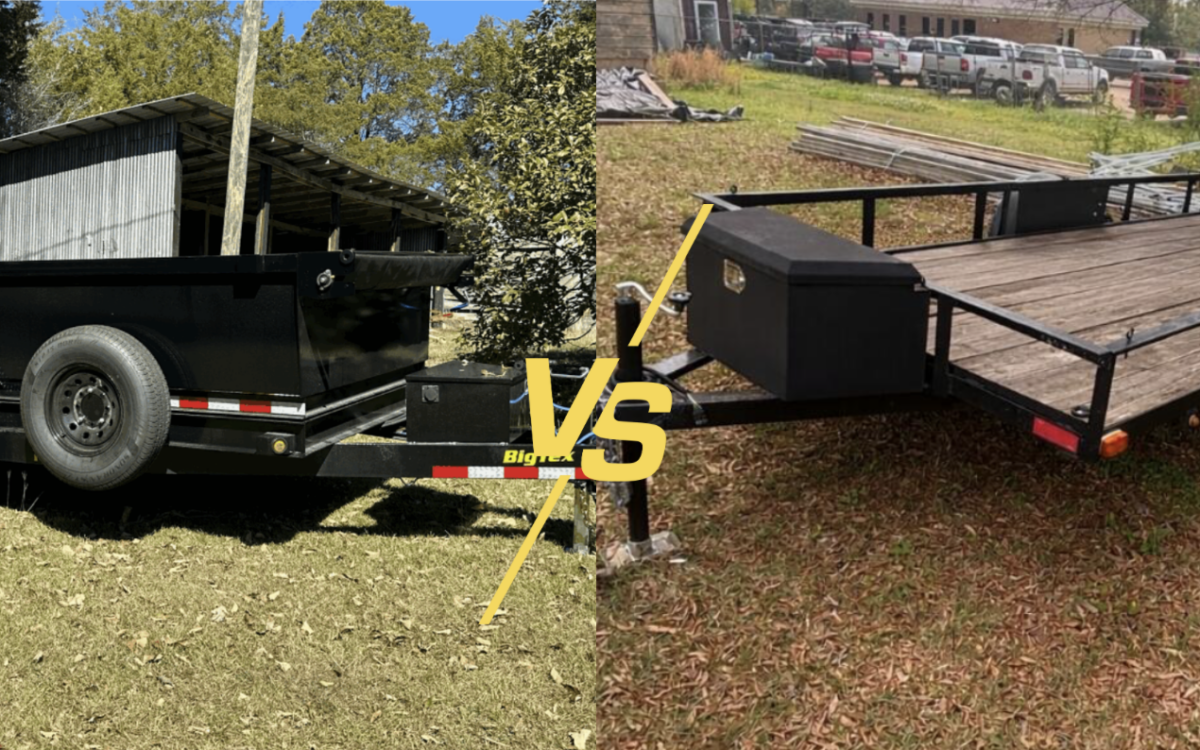
By When you need to haul something, choosing the right trailer can make the job much easier. But if you are comparing a utility trailer vs. dump trailer, it can be hard to know which one is the better fit.
Both trailer types are useful, but they are built for different jobs. A utility trailer is great for hauling equipment, furniture, lawn mowers, ATVs, and general supplies. A dump trailer is designed for loose materials, debris, yard waste, mulch, gravel, and cleanup projects.
Before you book a trailer rental, here is how to decide which option makes the most sense for your project.
What Is a Utility Trailer?
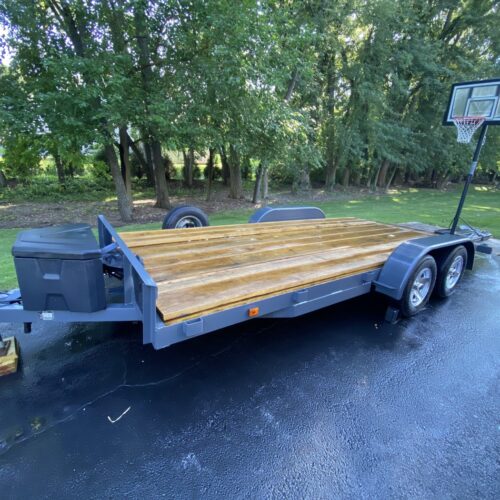
A utility trailer is an open trailer that can be used for a wide range of hauling jobs. It usually has a flat deck, side rails, and sometimes a ramp gate for loading.
Utility trailers are popular because they are flexible and easy to use. They can help with small moves, furniture pickups, landscaping projects, equipment hauling, and weekend tasks around the house.
If you need a trailer that can handle a little bit of everything, a utility trailer may be the right choice.

Best Uses for a Utility Trailer
A utility trailer works well when you need to haul items that are solid, packaged, or easy to secure.
Common uses include:
- Furniture pickups
- Small apartment moves
- Lawn mowers
- ATVs and golf carts
- Appliances
- Boxes and storage bins
- Patio furniture
- Landscaping supplies
- Event equipment
- Tools and jobsite materials
Because utility trailers are open, you will need to secure your load with straps, bungees, cargo nets, or tie-downs. If you are hauling something that needs weather protection, you may also want to use a tarp or consider an enclosed trailer instead.
What Is a Dump Trailer?
A dump trailer is built to haul and unload heavy or loose materials. Unlike a utility trailer, a dump trailer has a bed that lifts so you can dump the load instead of unloading everything by hand.
Dump trailers are especially helpful for messy, heavy, or bulky loads. They are commonly used for yard cleanup, construction debris, mulch, gravel, dirt, brush, branches, and junk removal.
If your project involves loose material or a large cleanup load, a dump trailer can save a lot of time and effort.

Best Uses for a Dump Trailer
A dump trailer works best when you need to haul materials that can be dumped out at the end of the trip.
Common uses include:
- Yard debris
- Branches and brush
- Mulch
- Gravel
- Dirt
- Sand
- Construction debris
- Old fencing
- Roofing materials
- Garage cleanouts
- Storm cleanup
- Junk removal
A dump trailer can make unloading much easier, especially when the load would take a long time to remove by hand.
The Big Difference: How You Unload
One of the biggest differences between a utility trailer vs. dump trailer is unloading.
With a utility trailer, you usually unload items by hand or by using ramps. This works well for furniture, equipment, boxes, and items you want to keep organized.
With a dump trailer, the bed lifts and tips the load out. This is ideal for loose materials or debris, but it may not be the best choice for items that need to stay protected or organized.
Think about how you want to unload before choosing your trailer.
Think About What You Are Hauling
The easiest way to choose between the two is to look at your load.
If you are hauling solid items like furniture, appliances, tools, a mower, or an ATV, a utility trailer may be the better fit.
If you are hauling loose materials like dirt, mulch, gravel, branches, debris, or junk, a dump trailer may be the better option.
Some projects could work with either trailer, but the right choice usually comes down to convenience and unloading.
Consider Weight and Payload
Both utility trailers and dump trailers have weight limits, so it is important to check payload capacity before booking.
Dump trailers are often used for heavy materials, and it is easy to underestimate how much dirt, gravel, or debris weighs. Utility trailers also have limits, especially when hauling equipment, appliances, or multiple heavy items.
Before loading, make sure the trailer can safely handle the weight. You should also make sure your tow vehicle is rated for the trailer and load.
If you are not sure, message the host before booking and ask about the trailer’s capacity.
Check Ramps, Gates, and Sides
Different trailers have different loading setups.
A utility trailer may have a ramp gate, side rails, removable sides, or tie-down points. These details matter if you are loading a mower, golf cart, ATV, motorcycle, or heavy equipment.
A dump trailer may have barn doors, a spreader gate, ramps, taller sides, or a tarp system. These features matter if you are hauling debris, mulch, gravel, or equipment.
Before booking, look closely at the listing photos and ask the host what is included.
Think About Weather Protection
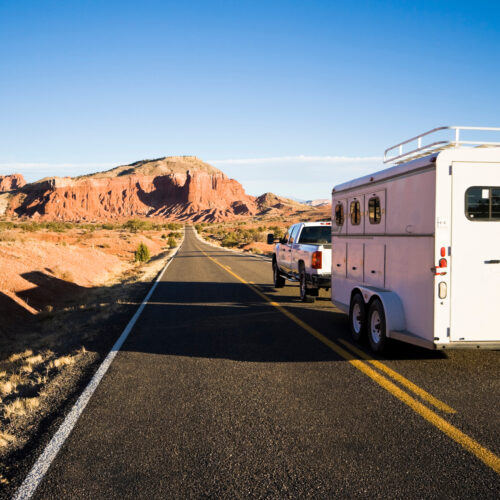
Both utility trailers and dump trailers are usually open, which means your load may be exposed to weather.
If you are hauling furniture, mattresses, boxes, or anything that needs to stay dry, bring a tarp or consider an enclosed trailer. If you are hauling mulch, brush, debris, gravel, or yard waste, weather may matter less, but you should still secure the load properly.
A tarp can also help prevent loose materials from blowing out while towing.
Which Trailer Is Better for Moving?
For moving furniture, boxes, appliances, or dorm supplies, a utility trailer is usually the better choice. It keeps items easier to organize and unload by hand.
A dump trailer is usually not ideal for moving household items because the bed is designed for dumping loose materials. It may have taller sides and a heavier build, but it is not as convenient for items you want to protect.
For weather protection during a move, an enclosed trailer may be the best option.
Which Trailer Is Better for Cleanup?
For cleanup projects, a dump trailer is often the better choice. Yard debris, junk, branches, construction waste, and storm cleanup loads are usually easier to haul and unload with a dump trailer.
A utility trailer can still work for smaller cleanup jobs, especially if the load is light or easy to unload by hand. But if you are dealing with heavy or messy debris, a dump trailer can save time.
Ask the Host Before You Book
If you are not sure which trailer is right for your project, ask questions before booking.
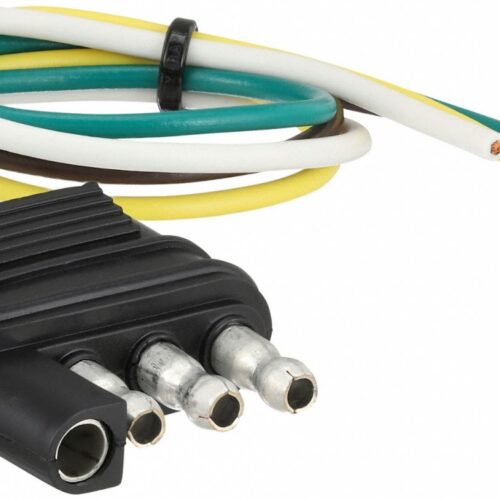
When renting through towlos, you can message the host directly and ask about trailer size, payload capacity, ramp setup, gate style, tie-down points, hitch size, connector type, and whether the trailer is a good fit for what you are hauling.
A few quick questions can help you avoid booking the wrong trailer and make your rental experience smoother.
Final Thoughts
When comparing a utility trailer vs. dump trailer, the right choice depends on what you are hauling and how you want to unload it.
A utility trailer is a great option for furniture, equipment, appliances, lawn mowers, ATVs, supplies, and small moves. A dump trailer is better for yard debris, mulch, gravel, dirt, junk removal, construction debris, and cleanup projects.
Before booking, think about your load, weight, unloading needs, weather protection, and tow vehicle setup.
Need help finding the right trailer? Search trailer rentals near you on towlos and use the towlos app to message hosts before booking.