 By
By If you are renting a trailer, it is easy to focus on the obvious details first: trailer size, weight capacity, ramps, hitch size, and pickup time. But there is one important towing detail that renters sometimes overlook: the brake controller.
A brake controller for trailer towing can make a big difference when pulling heavier loads. Depending on the trailer, your tow vehicle, and what you plan to haul, you may need a brake controller before you can safely tow.
Before you book a trailer rental, here is what to know about brake controllers, trailer brakes, plug types, and what to ask your host before pickup.
What Is a Brake Controller?
A brake controller is a device that helps activate the brakes on a trailer when you press the brakes in your tow vehicle.
Without a brake controller, your tow vehicle may do all the braking by itself. That can be a problem when you are pulling a heavier trailer, especially if you are hauling a car, equipment, debris, livestock, materials, or a loaded enclosed trailer.
The brake controller helps the trailer slow down with the tow vehicle, which can improve control and reduce stress on your vehicle’s brakes.

Why Trailer Brakes Matter
Trailer brakes are especially important when hauling heavier loads. A loaded trailer adds weight behind your vehicle, which means it takes more time and distance to stop.
If the trailer has its own brakes and your tow vehicle is properly set up to use them, braking can feel smoother and more controlled.
Trailer brakes can be especially helpful when:
- Driving in traffic
- Towing downhill
- Hauling heavy cargo
- Driving in rain or bad weather
- Stopping suddenly
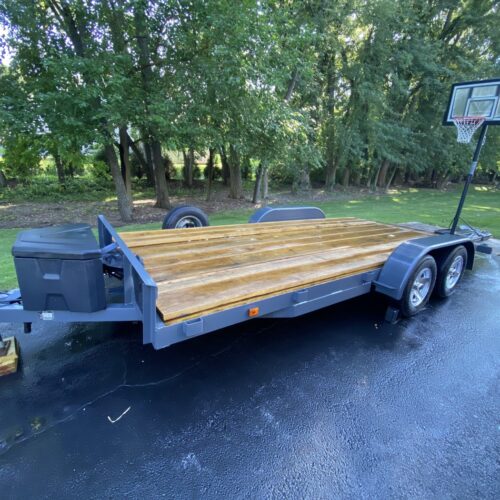
- Pulling a car hauler, dump trailer, enclosed trailer, or equipment trailer
The heavier the trailer and load, the more important braking becomes.
When Do You Need a Brake Controller?
You may need a brake controller when the trailer you are renting has electric brakes.
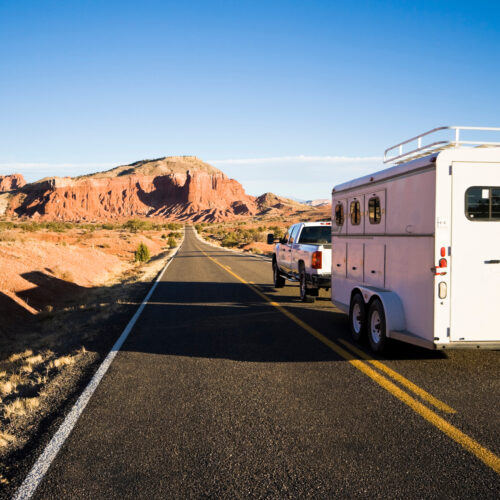
Many lighter trailers may not have brakes, but heavier trailers often do. Common examples include car haulers, dump trailers, equipment trailers, larger enclosed trailers, some boat trailers, and some horse trailers.
A brake controller may also be required depending on your state’s towing laws, trailer weight, or the trailer’s braking system. Requirements can vary, so it is always smart to check your local rules and confirm the trailer setup before towing.
If you are not sure whether you need one, ask the trailer host before booking.
What Trailers Are Most Likely to Need One?
Not every trailer rental will require a brake controller, but certain trailer types are more likely to.
You may need a brake controller for:
- Car haulers
- Dump trailers
- Equipment trailers
- Large enclosed trailers
- Gooseneck trailers
- Heavy-duty utility trailers
- Some boat trailers
- Some horse or livestock trailers
These trailers are often used for heavier loads, which makes trailer brakes more important.
Smaller utility trailers may only use basic lights and may not require a brake controller, but you should never assume. Always check the listing details or message the host.
4-Way vs. 7-Way Trailer Plugs
One of the easiest ways to tell what kind of setup you may need is by looking at the trailer plug.
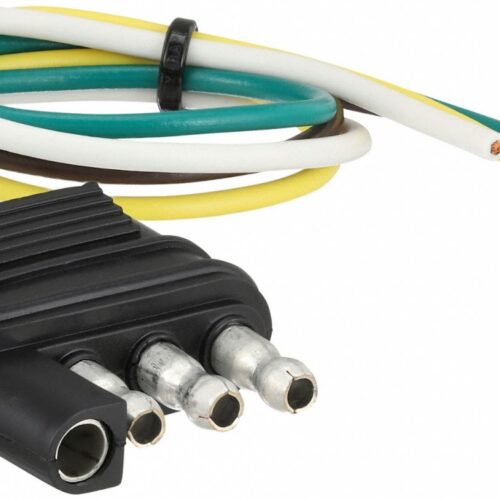
A 4-way plug usually controls basic trailer lights, including brake lights, turn signals, and running lights. Many smaller utility trailers use a 4-way connector.
A 7-way plug can support additional functions, including electric trailer brakes. Many heavier trailers with brakes use a 7-way connector.
If the trailer you are renting uses a 7-way plug and has electric brakes, your tow vehicle may need both a compatible 7-way connection and a brake controller.
Before pickup, confirm the plug type so you do not show up with the wrong wiring setup.
Built-In vs. Aftermarket Brake Controllers
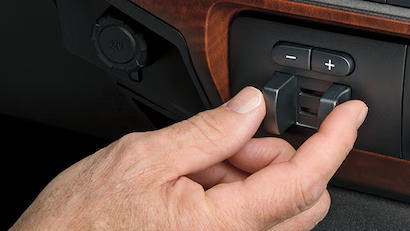
Some trucks and SUVs come with a built-in trailer brake controller from the factory. Others may need an aftermarket brake controller installed.
A built-in controller is usually integrated into the tow vehicle and may have controls on the dash. An aftermarket controller is added separately and can vary depending on the vehicle and towing setup.
If your vehicle does not already have one, you may need to have a brake controller installed before renting certain trailers.
This is something to figure out before rental day, not when you are already standing at pickup.
What Happens If You Do Not Have One?
If the trailer requires a brake controller and your tow vehicle does not have one, the trailer brakes may not work properly.
That can make towing less safe, especially with a heavy load. Your tow vehicle may have to handle too much of the braking, which can increase stopping distance and strain your brakes.
In some cases, the host may not allow the rental to continue if your tow vehicle is not properly equipped for the trailer.
To avoid issues, ask about brake controller requirements before booking.
Check Your Tow Vehicle Before Pickup
Before renting a trailer, take a few minutes to understand your tow vehicle’s setup.
Check your towing capacity, hitch rating, connector type, and whether you have a brake controller. You should also know whether your vehicle has a 4-way plug, 7-way plug, or both.
If you are towing a heavier trailer, you may also need to check whether your vehicle has the right mirrors, suspension, tires, and braking ability for the job.
The trailer may be capable of hauling the load, but your tow vehicle still needs to be ready for it.
Questions to Ask the Host
When renting through towlos, use the chat feature to ask the host about the trailer before pickup.
Good questions include:
- Does this trailer have electric brakes?
- Do I need a brake controller?
- Does the trailer use a 4-way or 7-way plug?
- What ball size does the trailer require?
- What is the trailer’s weight capacity?
- Does the trailer have a breakaway cable?
- Do you recommend this trailer for what I am hauling?
These questions can help prevent pickup-day surprises and make the rental process smoother.
Do Not Forget the Breakaway Cable
If the trailer has electric brakes, it may also have a breakaway system. The breakaway cable is a safety feature designed to activate the trailer brakes if the trailer becomes disconnected from the tow vehicle.
Before towing, make sure the breakaway cable is connected correctly and not wrapped around the safety chains.
If you are unsure how to connect it, ask the host before leaving.
Why This Matters for Trailer Rentals
When you rent a trailer, you may not be familiar with that specific trailer’s setup. That is why it is important to review the listing, ask questions, and make sure your tow vehicle matches the trailer before pickup.
A brake controller may seem like a small detail, but it can have a major impact on towing safety and control.
By understanding what your trailer requires ahead of time, you can avoid delays and tow with more confidence.
Final Thoughts
So, do you need a brake controller for trailer rentals? The answer depends on the trailer, the load, and your tow vehicle.
If you are renting a smaller utility trailer, you may not need one. But if you are renting a car hauler, dump trailer, equipment trailer, large enclosed trailer, or another heavier trailer with electric brakes, a brake controller may be required.
Before booking, check the trailer details, confirm the plug type, and message the host if you have questions. Make sure your tow vehicle has the right hitch, wiring, towing capacity, and brake controller setup before pickup.
Need a trailer for your next haul? Find trailer rentals near you on towlos and use the app to message your host before booking.