 By
By Loading a trailer may seem simple, but doing it the wrong way can create serious problems on the road. From uneven weight distribution to loose cargo, small mistakes can lead to trailer sway, damaged items, unsafe towing, or delays before you even leave the driveway.
Whether you are hauling furniture, equipment, landscaping materials, a vehicle, or weekend project supplies, it is important to take your time and load the trailer correctly. The right loading process can help protect your cargo, your trailer, your tow vehicle, and everyone else on the road.
Here are some of the most common mistakes people make when loading a trailer and how to avoid them.
Overloading the Trailer
One of the biggest mistakes people make is loading more weight than the trailer is built to handle. Every trailer has a weight limit, and going over that limit can put stress on the frame, tires, axles, brakes, and hitch.
Before loading, check the trailer’s payload capacity and make sure your cargo stays within that limit. Remember that the weight of your load can add up quickly, especially with gravel, mulch, appliances, tools, furniture, equipment, or renovation debris.
If you are renting a trailer and are not sure what it can handle, message the host before pickup and ask about the trailer’s weight capacity.
Ignoring Weight Distribution
Even if your load is under the weight limit, it still needs to be balanced correctly. Poor weight distribution can make the trailer harder to control and may cause trailer sway.
A common mistake is putting too much weight at the very back of the trailer. This can reduce tongue weight and make the trailer feel unstable behind the tow vehicle. On the other hand, too much weight at the front can put extra pressure on the hitch and rear of the tow vehicle.
As a general rule, heavier items should be loaded toward the front half of the trailer, but not all the way against the front. Try to keep the load centered side to side and balanced from front to back.
Not Securing the Load Properly
Loose cargo is one of the most dangerous loading mistakes. Even if something feels heavy enough to stay in place, it can shift, slide, bounce, or fall out once the trailer is moving.
Use proper straps, chains, binders, rope, cargo nets, or tie-downs based on what you are hauling. Make sure each item is secured to reliable anchor points and check that straps are tight before leaving.
If you are hauling furniture, boxes, tools, or materials, consider using moving blankets, tarps, or padding to protect items from damage.

Using the Wrong Straps or Tie-Downs
Not all straps are made for every job. A lightweight bungee cord may work for holding a tarp in place, but it should not be used to secure heavy equipment, furniture, or a vehicle.
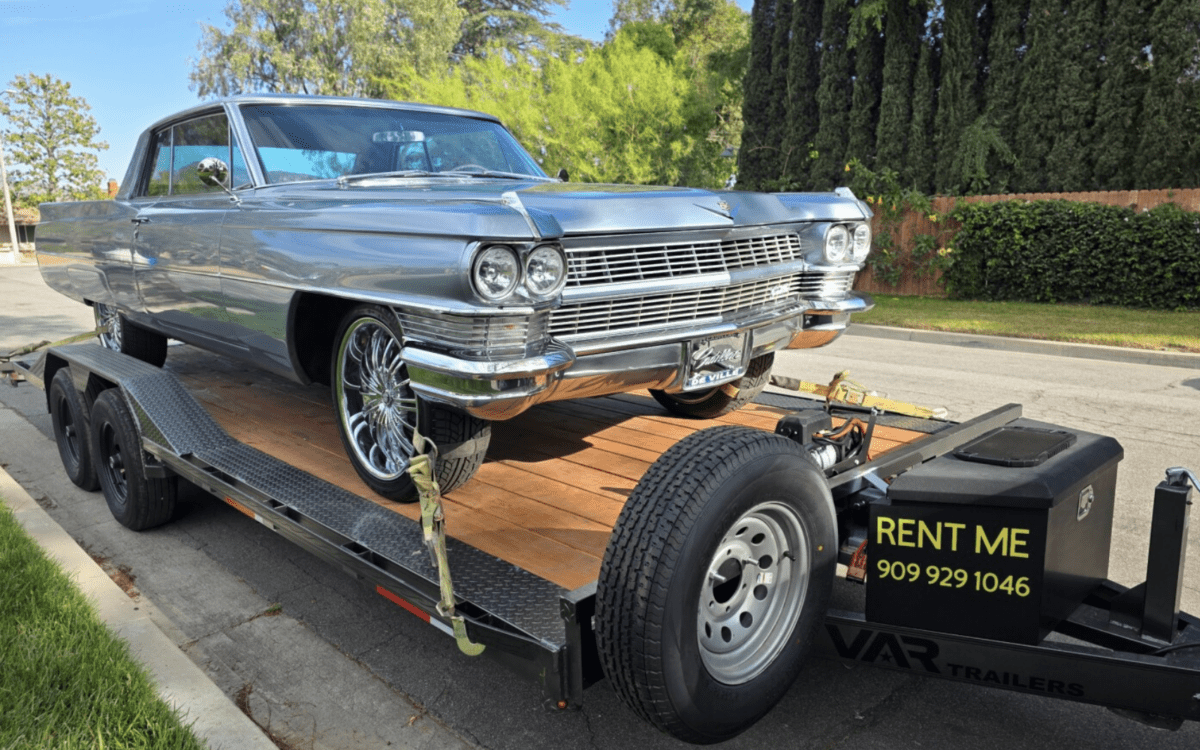
Choose tie-downs that are rated for the weight and type of cargo you are hauling. Ratchet straps are commonly used for furniture, appliances, equipment, and general cargo. Chains and binders may be needed for heavier equipment or vehicles.
Before using any strap, check for fraying, cuts, weak hooks, damaged ratchets, or worn stitching. If a strap looks questionable, do not rely on it.
Forgetting to Check the Hitch Connection
Loading the trailer is only part of the process. Before you leave, make sure the trailer is properly connected to the tow vehicle.
Check that the coupler is fully seated on the ball, the latch is locked, the safety chains are crossed and connected, and the jack is raised. You should also confirm that the trailer wiring is plugged in and that the breakaway cable is connected if the trailer has brakes.
A quick hitch check can prevent a much bigger problem once you are on the road.
Not Testing the Trailer Lights
Trailer lights help other drivers see when you are braking, turning, or driving in low-light conditions. Forgetting to test them is a simple mistake that can create a safety issue.
Before leaving, check the brake lights, turn signals, running lights, and hazards. If you are alone, you can ask the trailer host, a friend, or someone nearby to help you test them.
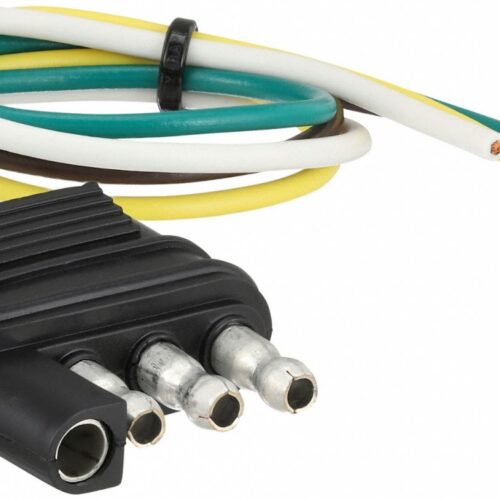
This is especially important if you are renting a trailer and using it with your own tow vehicle. Make sure your wiring connector matches the trailer or that you have the correct adapter.
Loading Too High
Stacking cargo too high can make the trailer less stable, especially during turns, stops, or windy conditions. Tall loads can also increase the chance of items shifting or catching wind while driving.
Keep the load as low and secure as possible. If you need to stack items, place heavier items on the bottom and lighter items on top. Make sure everything is tied down and that nothing can blow out or fall off the trailer.
For bulky items like mattresses, furniture, brush, or boxes, use extra straps or a cargo net to keep the load contained.
Forgetting About Ramps
If you are loading equipment, mowers, ATVs, motorcycles, or vehicles, ramps matter. One common mistake is assuming any ramp setup will work.
Before loading, make sure the ramps are rated for the weight of what you are moving. They should be positioned correctly, secured to the trailer, and set on stable ground. Wet, muddy, or uneven surfaces can make loading more difficult and more dangerous.
Take your time when driving or pushing anything up ramps. Move slowly and avoid sudden acceleration.

Not Protecting Cargo From Weather
If you are using an open trailer, your cargo is exposed to the weather. Rain, wind, sun, and road debris can damage certain items if they are not protected.
Furniture, mattresses, boxes, tools, appliances, and building materials may need a tarp, plastic wrap, moving blankets, or an enclosed trailer instead. If there is a chance of rain, plan ahead before loading.
When using a tarp, secure it tightly so it does not flap, tear, or come loose while driving.

Assuming the Tow Vehicle Can Handle It
The trailer may be able to carry the load, but your tow vehicle still needs to be rated for the combined weight of the trailer and cargo.
Before loading, check your tow vehicle’s towing capacity, payload rating, hitch rating, and brake controller setup if needed. Overloading your tow vehicle can affect braking, steering, suspension, and overall control.
If you are not sure whether your vehicle can safely tow the load, do not guess. Look up the ratings or ask someone who understands towing requirements.
Not Doing a Final Walkaround
Once the trailer is loaded, take a few minutes to walk around the entire setup. Check the straps, hitch, chains, lights, tires, ramps, doors, gates, and load placement.
Make sure nothing is hanging loose, dragging, blocking lights, or sticking out in an unsafe way. If you are using an enclosed trailer, make sure the doors are latched and locked. If you are using a dump trailer or utility trailer, make sure the gate is secure.
A final walkaround is a simple habit that can help catch problems before you get on the road.
Driving Too Fast After Loading
Even a properly loaded trailer changes the way your vehicle handles. You may need more time to stop, more room to turn, and more space to merge.
Once you are loaded, slow down and drive with extra caution. Avoid sudden braking, sharp turns, and quick lane changes. If the trailer starts to sway or feel unstable, pull over safely and check your load.
Safe towing starts with proper loading, but it also depends on how you drive once the trailer is behind you.
Ask Questions Before You Rent
If you are renting a trailer, do not be afraid to ask questions before pickup. A few quick messages can help you avoid showing up with the wrong setup or loading the trailer incorrectly.
You can ask the host about payload capacity, hitch size, connector type, ramp setup, tie-down points, trailer brakes, and whether straps or other accessories are included. You can also tell the host what you plan to haul and ask if the trailer is a good fit.
The more you know before loading, the smoother the rental will be.
Final Thoughts
Loading a trailer the right way is one of the most important parts of a safe haul. Mistakes like overloading, poor weight distribution, loose cargo, weak straps, and skipping safety checks can create problems quickly.
Before you hit the road, make sure your load is within the trailer’s limits, balanced properly, secured tightly, and protected from weather if needed. Then check your hitch, lights, tires, ramps, gates, and straps before driving away.
A few extra minutes of preparation can make your trip safer, easier, and less stressful.
Need the right trailer for your next project? Find trailer rentals near you on towlos and message your host before booking to make sure you have the right setup for your load.