 By
By Boat safety does not have to be complicated, but it does need to be taken seriously. Conditions can change quickly, and small oversights can turn a fun day into a stressful one. Before you launch, it is worth taking a few extra minutes to check your boat, your gear, your passengers, and your plan.
Here are a few summer boat safety tips to keep in mind before you hit the water.
Check the Weather Before You Go
Weather can change fast during the summer, especially near lakes, rivers, and coastal areas. Before heading out, check the forecast for the entire time you plan to be on the water.
Pay attention to thunderstorms, high winds, heavy rain, and extreme heat. Even if the weather looks clear when you leave, it is smart to keep an eye on changing conditions throughout the day.
If storms are expected, it is better to adjust your plans than risk getting caught on the water.
Make Sure Everyone Has a Life Jacket
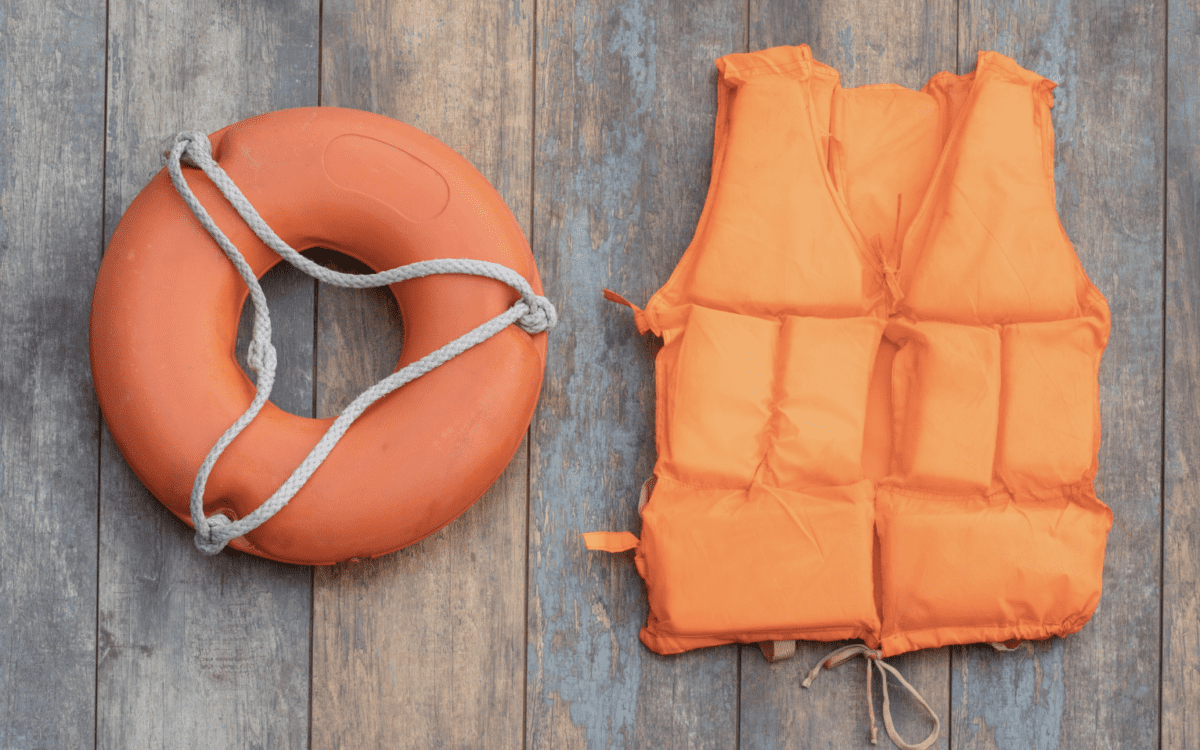
Life jackets are one of the most important safety items on any boat. Before leaving the dock, make sure there is a properly fitting life jacket for every person on board.
Children, inexperienced swimmers, and pets should be especially protected. It is also a good idea for everyone to wear a life jacket while the boat is moving, even if they are comfortable around water.
A life jacket only helps if it fits correctly and is easy to access when needed.
Pack Emergency Gear
Before launching, make sure your boat has basic emergency supplies. This may include a first aid kit, flashlight, whistle or horn, fire extinguisher, throwable flotation device, extra water, sunscreen, phone charger, and any required safety equipment for your area.
It is also smart to keep a dry bag on board for phones, keys, wallets, and other important items. If something goes wrong, having the right gear nearby can make a big difference.

Know Your Boat’s Capacity
Every boat has limits. Before loading up coolers, gear, passengers, and pets, make sure you know your boat’s weight and passenger capacity.
Overloading a boat can make it harder to control and less stable on the water. It can also increase the risk of taking on water, especially in rough conditions or when passengers move around.
When in doubt, keep the load lighter and more balanced.
Avoid Boating Under the Influence
A day on the water should be fun, but safety needs to come first. The person operating the boat should stay sober and alert.
Alcohol can affect judgment, reaction time, balance, and coordination. Those risks become even greater when you add sun, heat, waves, and long hours outside.
Plan ahead and make sure there is a responsible operator for the boat.
Keep an Eye on Kids and Pets
Kids and pets can make lake days even more fun, but they also need extra attention. Make sure children are wearing life jackets and understand basic boat rules before you leave the dock.
Pets should also have properly fitted life jackets, especially if they are not strong swimmers or will be moving around the boat. Keep them shaded, hydrated, and away from hot surfaces.
A quick safety talk before you launch can help everyone know what to expect.

Tell Someone Your Plan
Before heading out, let someone on land know where you are going and when you expect to be back. This is especially important if you are boating in a less crowded area or planning to be out for several hours.
Share your launch location, general route, number of people on board, and expected return time. It only takes a minute, but it can be very helpful in an emergency.
Check Your Fuel, Battery, and Lights
Before you leave the ramp or dock, make sure your boat is ready to run. Check the fuel level, battery, navigation lights, bilge pump, and any other important systems.
Running out of fuel or dealing with a dead battery can quickly ruin a good day on the water. A simple pre-launch check can help you avoid preventable issues.
If you are planning to be out near sunset, lights are especially important.

Be Careful Around Docks, Ramps, and Crowded Areas
Some of the busiest and most stressful parts of boating happen before you even get out on open water. Boat ramps, docks, marinas, and no-wake zones can get crowded during the summer.
Take your time, watch for other boats, and be patient with people loading and unloading. Move slowly around docks, swimmers, kayakers, paddleboarders, and other boaters.
A little patience can help prevent accidents and make the experience better for everyone.

Watch for Heat and Sun Exposure
Summer boat days often mean long hours in direct sun. Make sure you pack plenty of water, sunscreen, hats, sunglasses, and shade if possible.
Heat exhaustion can sneak up quickly, especially when people are swimming, drinking alcohol, or spending all day outside. Encourage everyone on board to drink water regularly and take breaks from the sun.

Do Not Forget the Trip To and From the Water
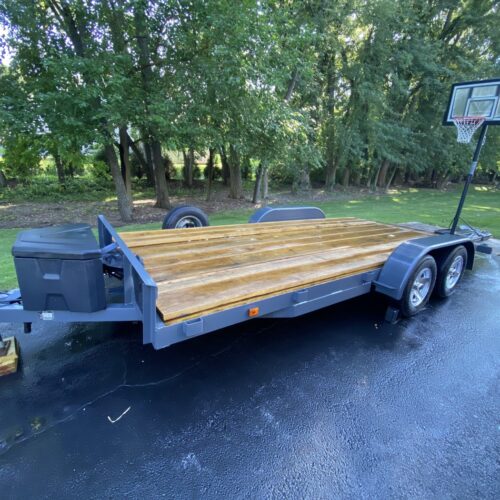
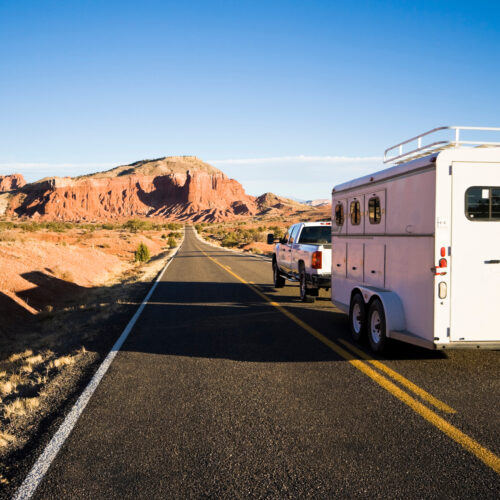
Boat safety starts before the boat ever hits the water. If you are trailering your boat, make sure the trailer is ready for the trip.
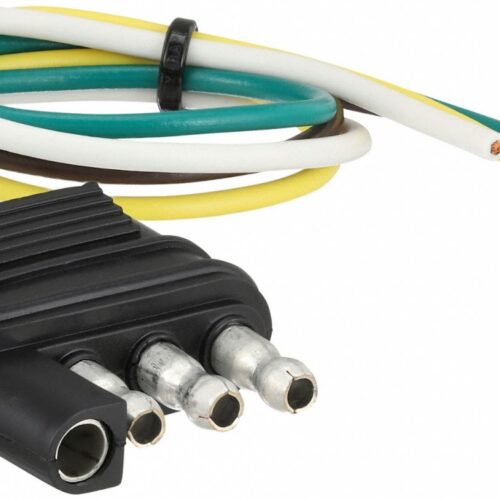
Check the tires, lights, straps, winch, hitch connection, and safety chains before heading to the ramp. Make sure the boat is secured properly and that your tow vehicle is rated for the load.
Once you arrive, take your time launching and loading. Rushing at the ramp can lead to mistakes, especially when it is busy or the weather is not ideal.

Final Thoughts
A great summer boat day starts with preparation. Before you hit the water, check the weather, pack the right safety gear, make sure everyone has a life jacket, and know your boat’s limits.
It is also important to stay alert, avoid boating under the influence, watch for kids and pets, and keep an eye on changing conditions. A little planning can help keep the day safe, smooth, and enjoyable.
Whether you are heading out for a fishing trip, lake weekend, or afternoon cruise, boat safety should always come first.
Need a trailer to get your boat to the water? Find trailer rentals near you on towlos.