 By
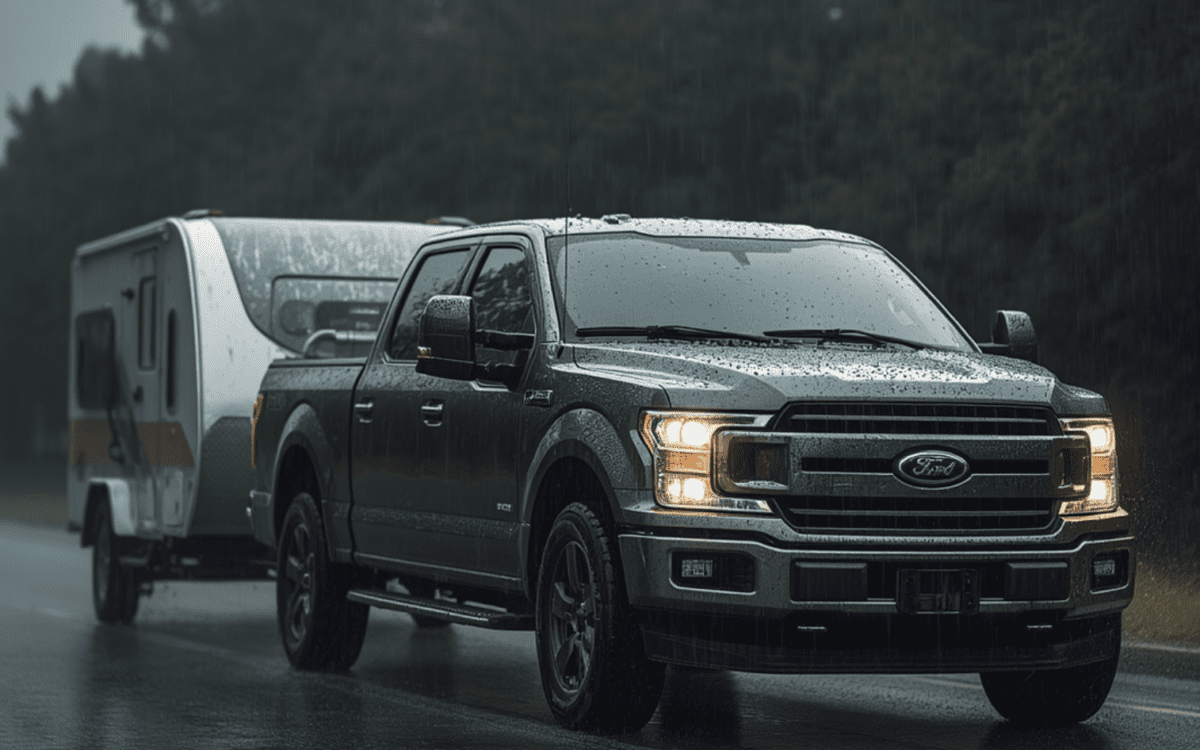
By Rain can make any drive more stressful, but towing a trailer in wet weather adds another layer of responsibility. Between reduced visibility, slick roads, longer stopping distances, and the added weight behind your vehicle, it is important to slow down and prepare before you go.
Whether you are hauling equipment, moving furniture, towing a car, picking up materials, or renting a trailer for a weekend project, towing in the rain requires a little extra caution. The good news is that a few simple checks can help make the trip safer and smoother.
Here are a few things to keep in mind before towing a trailer in rainy weather.
Check the Weather Before You Leave
Before you hook up the trailer, take a few minutes to check the forecast along your route. A light rain may not change your plans much, but heavy rain, thunderstorms, flooding, or high winds can make towing more dangerous.
If possible, avoid towing during the worst part of a storm. It may be worth leaving earlier, waiting for the rain to pass, or choosing a route with better road conditions.
Also keep in mind that summer storms can pop up quickly. Even if the weather looks clear when you leave, it is smart to be prepared for changing conditions.
Give Yourself More Time
When towing in the rain, everything takes longer. You may need more time to accelerate, turn, stop, merge, and back up. Planning ahead can help you avoid rushing, which is one of the biggest mistakes people make in bad weather.
Leave earlier than you normally would and give yourself plenty of time to get where you are going. The goal is not to drive fast. The goal is to get your trailer and load there safely.
Slow Down
Wet roads reduce traction, especially when you are pulling extra weight. Slowing down is one of the simplest and most effective ways to stay in control while towing in the rain.
Driving too fast can increase your risk of hydroplaning, trailer sway, and longer stopping distances. Even if the speed limit says one thing, rainy conditions may require you to drive slower than usual.
Take your time, keep both hands on the wheel, and avoid sudden movements.
Increase Your Following Distance
A trailer adds extra weight, which means your tow vehicle needs more room to stop. Rain makes that stopping distance even longer.
Leave more space between you and the vehicle in front of you. This gives you more time to react if traffic slows down, someone brakes suddenly, or road conditions change.
If you normally leave a few seconds of following distance, increase that space when towing in wet weather.
Check Your Trailer Lights
Visibility is a major concern when driving in the rain. Before leaving, make sure your trailer lights are working properly.
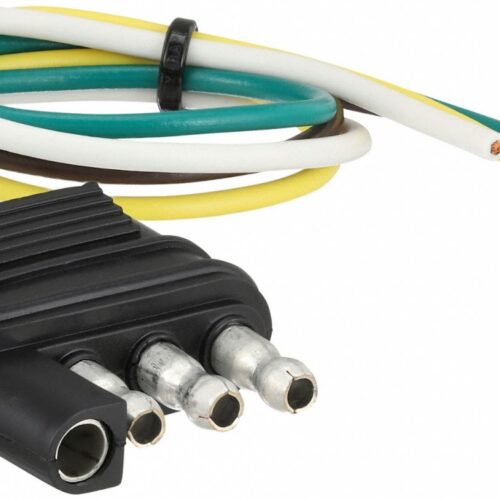
Check the brake lights, turn signals, running lights, and hazard lights. If other drivers cannot see what you are doing, it increases the risk of an accident.
This is especially important if you are renting a trailer. Before you pull away from pickup, take a moment to test the lights with the host or another person helping you.
Inspect the Tires
Good tires matter every time you tow, but they are even more important in wet weather. Worn or underinflated tires can reduce traction and increase the chance of problems on the road.
Before towing in the rain, check the trailer tires and your tow vehicle tires. Look for low tread, cracks, bulges, or anything that looks unsafe. You should also make sure the tires are properly inflated.
If the trailer has a spare tire, know where it is before you leave.
Secure Your Load
Rain can make loose cargo even more of a problem. Wet straps, slick surfaces, and sudden stops can all cause items to shift if they are not secured properly.
Before you hit the road, make sure your load is tied down and balanced. Use the right straps, chains, binders, or tie-down points for what you are hauling.
If you are hauling furniture, boxes, tools, or materials, consider covering the load with a tarp. Make sure the tarp is secured tightly so it does not flap, tear, or come loose while driving.
Watch for Trailer Sway
Trailer sway can happen in different conditions, but rain, wind, speed, and sudden steering can make it worse. If the trailer starts to sway, stay calm.
Do not slam on the brakes or jerk the steering wheel. Instead, ease off the accelerator, keep the wheel steady, and let the trailer settle. If sway continues, find a safe place to pull over and check your load, hitch setup, and trailer balance.
A properly loaded trailer should have enough tongue weight and should not feel unstable behind the vehicle.
Avoid Sudden Braking and Sharp Turns
Wet roads make sudden movements more risky. When towing in the rain, brake earlier than usual and turn more slowly.
Try to look ahead and anticipate stops before they happen. This gives you more time to slow down gradually instead of braking hard at the last second.
Sharp turns can also cause your trailer to shift or slide, especially if the road is slick. Take turns wider and slower than you normally would.
Be Careful at Boat Ramps, Gravel Roads, and Job Sites
Rain can make certain areas especially tricky. Boat ramps, gravel driveways, muddy job sites, grass parking areas, and steep driveways can all become harder to navigate when wet.
Before pulling in, take a moment to look at the ground and decide if it is safe. If the area looks too soft, slick, or flooded, do not force it.
Getting stuck with a trailer attached can turn a simple job into a much bigger problem.
Make Sure Your Tow Vehicle Is Ready
Your trailer is only one part of the setup. Your tow vehicle also needs to be ready for rainy conditions.
Check your windshield wipers, headlights, brakes, mirrors, and tire condition before you leave. Make sure you can clearly see behind and around the trailer.
If your tow vehicle is already struggling with traction, visibility, or braking, adding a trailer will only make the drive more difficult.
Ask Questions Before Renting
If you are renting a trailer through towlos, use the chat feature to ask the host questions before your rental. You can ask about the trailer’s tires, lights, brakes, tarp, ramps, tie-down points, and hitch setup.
You can also let the host know what you are hauling and where you are going. They may be able to offer helpful advice about the trailer, especially if you are towing in rainy weather.
Asking questions before pickup can help you feel more prepared and avoid surprises once you are on the road.
Final Thoughts
Towing in the rain does not have to be overwhelming, but it does require extra patience and preparation. Wet roads, reduced visibility, and heavier stopping distances all make it important to slow down and stay alert.
Before you leave, check the weather, inspect your trailer, secure your load, test your lights, and make sure your tow vehicle is ready. Once you are on the road, give yourself more space, avoid sudden movements, and take your time.
A little preparation can make a big difference when the weather does not cooperate.
Need a trailer for your next project? Find trailer rentals near you on towlos and message your host before booking to make sure you have the right setup for your trip.