 By
By Launching a boat alone can feel a little intimidating at first. If you are new to boating or just used to having someone else help at the ramp, doing it solo might seem stressful. The good news is that once you have a routine, it gets much easier. Launching a boat alone is not really about strength or speed. It is about being prepared, staying organized, and knowing the steps before you get to the water.
Whether you are heading out for a quick fishing trip, an afternoon on the lake, or an early morning run before the crowds show up, learning how to launch a boat alone can make you much more confident and independent.
Preparation Starts Before You Reach the Ramp
The biggest mistake people make when they launch a boat alone is waiting until they are on the ramp to get everything ready. That creates stress, slows everyone down, and makes it much easier to forget something important.
Before you even get in line at the boat ramp, pull into the staging area or a parking spot and get your boat ready there. Put in the drain plug, load your gear, remove any travel covers if needed, and make sure your dock lines are ready. Check that your battery is connected, your fuel level is good, and your key is where you can easily reach it.
If your boat has transom straps, remove them before you back down. Make sure the winch strap stays connected until you are actually ready to launch. Having everything set before you reach the ramp makes the entire process smoother and helps you stay calm when it is your turn.
Have a Routine and Stick to It
When you are launching a boat alone, routine matters. Doing things in the same order every time helps prevent mistakes. It is easy to forget something simple when you are distracted or rushed, especially at a busy ramp.
A good routine might look like this: check the plug, get your gear in place, prep your dock lines, remove the transom straps, double check the winch, and then head to the ramp. By following the same order each time, you build confidence and reduce the chances of missing an important step.
Solo launching gets much easier when you stop trying to figure it out in the moment and instead rely on a system you trust.
Back Down the Ramp Slowly and Carefully
Backing down the ramp is often the part that makes people the most nervous, especially when there is a crowd watching. The best thing you can do is slow down and stay focused. There is no prize for being the fastest one on the ramp.
Line your trailer up as straight as possible before you start backing down. Use your mirrors, make small corrections, and take your time. If you need to pull forward and straighten out, do it. That is much better than forcing a bad angle and making the process harder on yourself.
Practice helps a lot here. The more often you back your trailer, the more natural it becomes. Even experienced boaters still take their time because a smooth launch starts with a good approach down the ramp.
Launch the Boat With Control
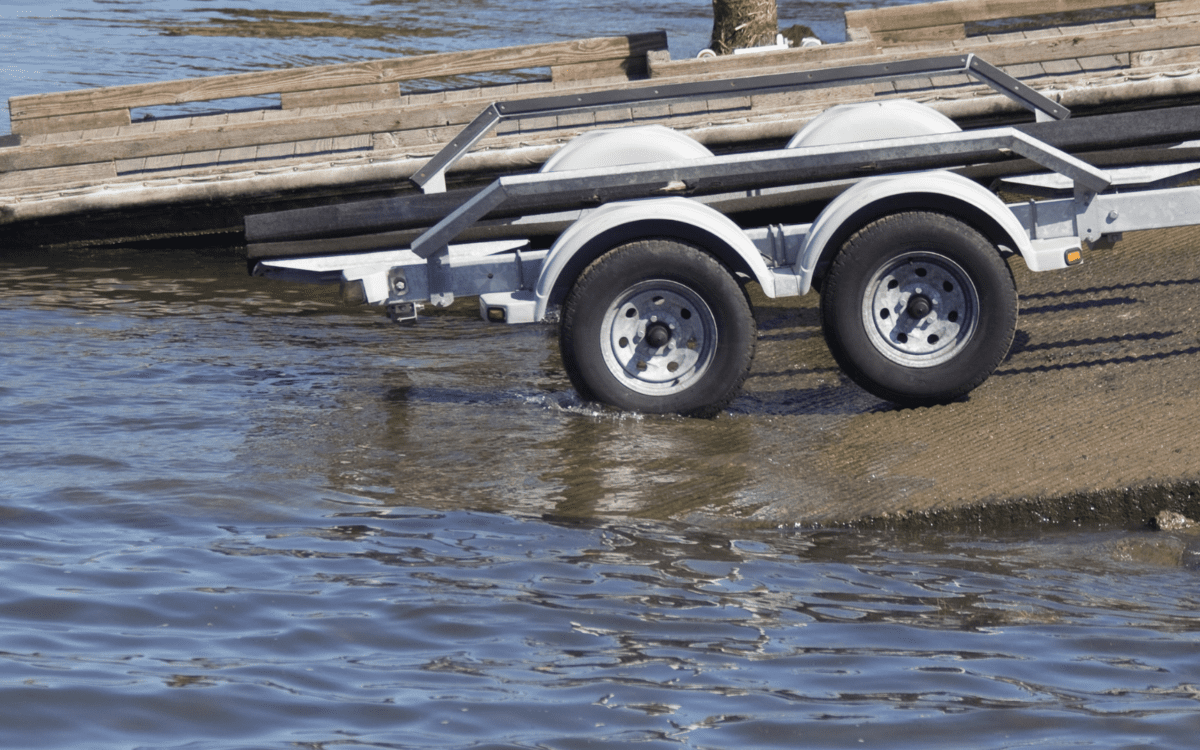
Once your trailer is in the water, make sure the boat is floating enough to come off the trailer safely, but not so far in that you lose control of it. The exact depth will depend on your boat and trailer setup, so this is something you learn with experience.
Put the vehicle in park and set the parking brake. At that point, you can walk back and disconnect the winch strap if your boat is ready to float free. Keep a dock line in your hand so you can guide the boat once it comes off the trailer. Some people ease the boat off by hand, while others may back in enough for it to slide free more easily. Either way, the goal is control.
If there is wind or current, be especially careful. Those conditions can push the boat away faster than you expect. Keeping a line attached and ready is one of the easiest ways to stay in control during a solo launch.
Secure the Boat Before Parking Your Vehicle
Once the boat is off the trailer, your next move is to secure it before you go park the tow vehicle. Tie it off to the dock if there is one available, or hold it in a safe shallow area where it will stay put for a moment while you step away.
This step is important because you do not want your boat drifting away while you are parking. That is where preparation really pays off. If you already have your dock lines ready and know where you are tying up, you can move quickly and confidently.
After the boat is secure, pull your vehicle out, park it properly, and then return to the boat.
Boat Ramp Etiquette Still Matters
Knowing how to launch a boat alone is not just about getting your own boat in the water. It is also about doing it in a way that keeps the ramp moving for everyone else.
That means getting fully prepared before your turn, not blocking the ramp while you organize gear, and moving your vehicle promptly once the boat is launched. If something goes wrong, stay calm and handle it as efficiently as you can. Most people at the ramp understand that things happen, but good preparation goes a long way.
Ramp etiquette is really just about being respectful. The more prepared you are, the easier it is for everyone.
Safety Tips for Launching a Boat Alone
Solo launching is very doable, but safety should always come first. Wear shoes with good grip because ramps can be slippery. Keep your phone, keys, and important items somewhere secure so they do not end up in the water. Watch for algae, mud, or slick concrete near the edge of the ramp.
It is also smart to stay aware of your surroundings. Busy ramps can mean moving vehicles, trailers, and boats all at once. Rushing usually leads to mistakes, so focus on being steady rather than fast.
If conditions are rough, such as strong wind, current, or a steep ramp, give yourself extra time. In some situations, waiting for conditions to improve may be the best move.
It Gets Easier Every Time
The first time you launch a boat alone may feel awkward, and that is normal. Like most trailer and towing skills, it becomes much easier with repetition. After a few solo launches, you will start to learn exactly how your trailer sits in the water, how your boat responds, and what routine works best for you.
Confidence comes from repetition. Once you know your process, solo launching starts to feel less stressful and much more convenient.
Final Thoughts
If you want to learn how to launch a boat alone, the biggest thing to remember is this: preparation makes all the difference. Get everything ready before you reach the ramp, move through the same routine each time, and focus on control rather than speed.
Launching a boat alone does not have to be overwhelming. With a little practice and a solid system, you can handle it confidently and get on the water without needing extra help.