
 By
By Whether you’re hauling a side by side for the weekend, moving furniture across town, or grabbing materials for a last minute project, trailers for rent can save you time and money without the commitment of owning. The key is choosing the right trailer, understanding the real costs, and knowing what to check before you pull out of the lot.
This guide breaks down the basics so you can rent with confidence and tow safely.
Why Trailers for Rent Make Sense
Trailers for rent are popular because they let you:
- Use the right trailer type without buying and storing one
- Avoid maintenance, registration, and long term upkeep
- Handle one off projects like moves, cleanouts, and renovations
- Choose a different trailer depending on the job
Pick the Right Trailer Type for the Job
Here are common trailers for rent and what they’re best for:
- Utility trailers
- Yard waste, furniture, small equipment, general hauling
- Often includes a ramp gate for easy loading
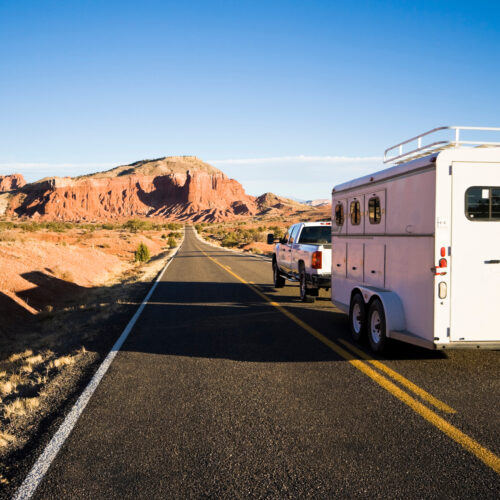
- Enclosed cargo trailers
- Weather protection and added security
- Great for moves, tools, vendor events, and motorcycles
- Dump trailers
- Gravel, dirt, landscaping materials, demolition debris
- Usually requires a capable tow vehicle and proper braking setup
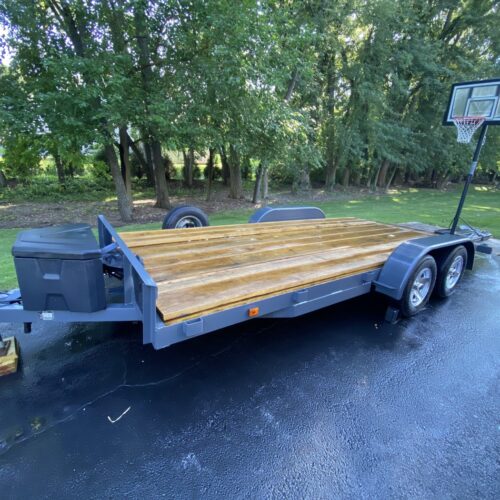
- Car haulers
- Cars, UTVs, small tractors, and equipment with wheels
- Look for ramps, tie down points, and correct deck width
Know These Numbers Before You Rent
Before booking trailers for rent, confirm these basics:
- Empty weight and max payload
- Your tow vehicle must handle the total loaded weight
- Hitch ball size and coupler
- Common sizes are 2 inch and 2 5 16 inch
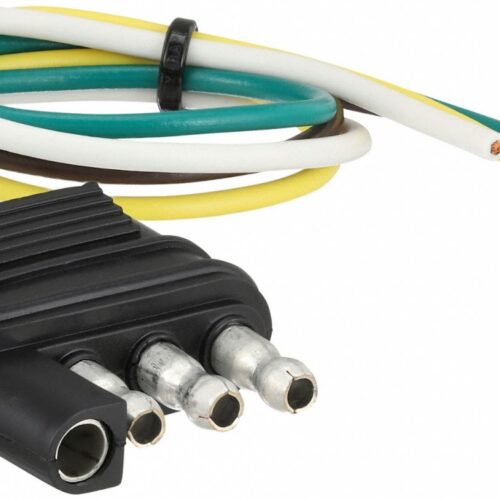
- Electrical plug type
- Many trailers use 4 pin or 7 pin connectors
- Brakes
- Heavier trailers often have electric brakes
- Ask if you need a brake controller
What to Inspect Before You Tow Away
Do a quick walk around of any trailers for rent before loading:
- Tires look good and are properly inflated
- Lights work, including running, brake, and turn signals
- Coupler is seated correctly and locked on the ball
- Safety chains are crossed under the coupler
- Breakaway cable is connected if the trailer has brakes
- Deck, ramps, gate, and jack look solid and functional
- Any promised accessories are included, like ramps or straps
Pricing Tips and Fees to Watch For
When comparing trailers for rent, ask what is included in the rate:
- Daily price and multi day discounts
- Delivery or pickup fees
- Insurance options if offered
- Late return fees
- Cleaning fees for dump or enclosed trailers
Tip Sometimes paying slightly more for a closer trailer saves money on time and fuel.
How to Load Safely
Safe loading makes a huge difference in towing comfort and control:
- Keep weight low and centered
- Balance side to side
- Secure cargo so it cannot shift
- Aim for proper tongue weight to prevent sway
- Do a short test drive, then recheck straps after 10 to 15 minutes
If you feel sway, slow down gradually and adjust your load.
Questions to Ask Before You Book
These questions make renting smoother:
- What is the empty weight and max payload
- Does it have brakes and do I need a brake controller
- What hitch ball size does it require
- What plug type does it use
- Are ramps included and what is the ramp capacity
- Are tie downs included or should I bring my own
- Is delivery available and what does it cost
Final Thoughts
Finding trailers for rent is easy. Renting the right trailer and towing it safely is what matters most. Match the trailer to your tow vehicle, confirm the hitch and wiring, and load it correctly, and you’ll be set for almost any job.