 By
By When it comes to towing, most people focus on getting the right hitch, checking their tire pressure, or making sure the lights work—and those are all important. But one thing that’s just as crucial (and often overlooked) is trailer balance.
Whether you’re hauling tools, debris, furniture, or a vehicle, how you load your trailer directly impacts how it performs—and how safe it is to drive.
Let’s break it down.

What Does Trailer Balance Actually Mean?
Trailer balance refers to how weight is distributed across your trailer, especially in relation to its axle(s). The goal is to keep your load centered, stable, and properly supported.
If the trailer is too front-heavy, it can put excessive pressure on your tow vehicle’s rear suspension. If it’s too rear-heavy, it might sway uncontrollably. And if weight is uneven side-to-side, it can make your trailer unstable, especially during turns or quick stops.
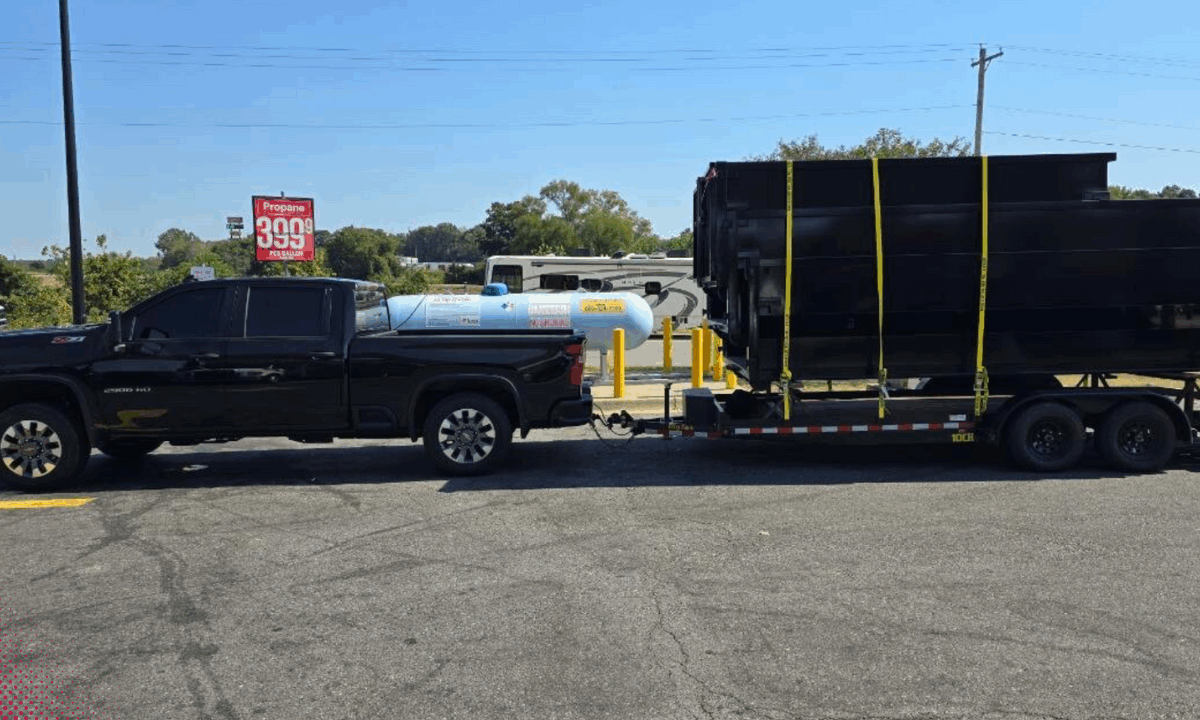
A good rule of thumb? Keep about 60% of the trailer’s total weight in front of the axle(s) and spread it evenly side to side.
How to Load Your Trailer the Right Way
Here’s how to safely load and balance your trailer:
- Front-Load Heavier Items: Place about 60% of your load in front of the axle(s). This helps maintain proper tongue weight (usually 10–15% of the total trailer weight).
- Keep It Centered: Distribute the weight evenly from left to right so one side isn’t heavier than the other.
- Secure Everything: Even a perfectly balanced load becomes a hazard if it shifts. Use tie-downs, ratchet straps, or chains to keep your cargo in place.
- Check Tongue Weight: If the tongue is too light, the trailer can sway. Too heavy, and it puts strain on your tow vehicle’s frame and brakes. Aim for the 10–15% range.
Signs Your Trailer Might Be Off-Balance
Even if you think you’ve loaded your trailer correctly, these signs could mean something’s off:
- Swaying or fishtailing while driving
- Trouble steering or braking
- Your tow vehicle’s rear end squatting or front lifting
- Bouncing or instability on bumps
- Uneven tire wear on the trailer
If you notice any of these issues, stop and check your load. Adjusting it could save your trip—or your trailer.

Why It Matters
A properly balanced trailer doesn’t just tow better—it tows safer. With the right load distribution:
- Braking is more responsive
- Steering remains stable
- Sway and jackknifing risks are reduced
- Your tow vehicle and cargo stay protected
- Everyone on the road is safer, not just you
The Bottom Line
Trailer balance might not seem like a big deal—until it is. Taking a few extra minutes to load things correctly can make a huge difference in safety, performance, and peace of mind.