 By
By Last Updated: September 9, 2026
Loading a utility trailer safely is crucial for a safe anHow to Load a Utility Trailer Safely
Loading a utility trailer safely is essential for a smooth towing experience. Whether you’re transporting equipment, furniture, landscaping materials, or other items, following proper loading procedures can help prevent accidents and make sure your cargo reaches its destination intact.
In this blog post, brought to you by towlos, we’ll provide a guide on how to load a utility trailer safely.
If you are planning a local move, cleanup project, or equipment haul, browsing pages like Cincinnati trailer rentals can help you compare available trailers before choosing the right option for your job.
Steps to Loading a Utility Trailer Safely
- Know the Weight Limits:
Before you start loading your utility trailer, it’s essential to know its weight capacity. Exceeding weight limits can compromise safety and lead to handling issues during towing. Check your trailer’s specifications and follow the recommended weight limits. - Balance the Load:
Achieving proper weight distribution is key to maintaining stability while towing. Place heavier items toward the front, over the axles, to help prevent trailer sway. Distribute the weight evenly across the trailer for optimal balance. - Load Heavier Items First:
When loading a utility trailer, start with heavier and bulkier items. This creates a stable foundation and helps prevent the trailer from becoming top-heavy. Placing heavier items in the center can also contribute to better weight distribution. - Secure the Load:
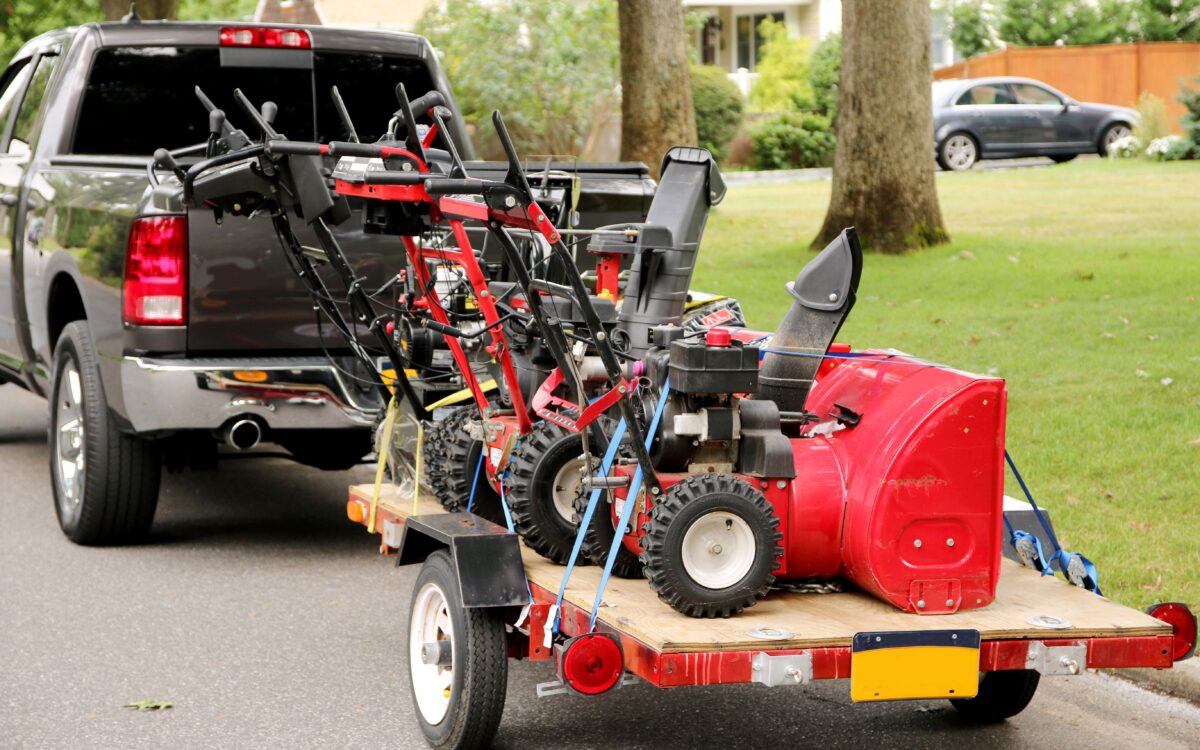
Use tie-downs, straps, and bungee cords to secure your items to the trailer. Make sure everything is tightly fastened to prevent shifting or falling off during transit. Properly securing the load is crucial for both safety and the protection of your cargo. - Tie Down Loose Items:
Any loose items, such as smaller boxes or bags, should be tied down to prevent them from flying off the trailer. Take the time to secure each item individually to minimize the risk of damage or loss.
If you are comparing trailer options for a nearby project, pages like Fairfield trailer rentals can help you review local availability and choose a trailer that fits your hauling needs.
- Consider Trailer Weight Distribution:
Aim for even weight distribution between the left and right sides of the trailer. This helps maintain stability and prevents the trailer from leaning to one side. Proper weight distribution contributes to a safer towing experience. - Stack Items Properly:
When loading items, stack them in a way that prevents them from toppling over. Place heavier and more stable items at the bottom and stack lighter items on top. This packing technique helps reduce the risk of items shifting during transit. - Use Proper Packing Techniques:
Pack items tightly to reduce movement. Fill gaps with padding or smaller items to create a snug fit. This not only helps prevent shifting but also maximizes the use of available space in the trailer. - Secure Larger Items:
If you’re transporting larger items such as furniture, equipment, or appliances, make sure they are securely fastened to the trailer. Take extra precautions to prevent these items from shifting during turns, stops, or rough roads. - Check Trailer Capacity:
Be mindful of the overall capacity of the trailer and avoid overloading it. Refer to the manufacturer’s guidelines for the maximum load capacity, considering both weight and volume.
Final Thoughts
Loading a utility trailer safely is an important part of responsible towing. By following these tips, you can help keep your cargo secure, reduce the risk of accidents, and protect both your trailer and the items you are hauling.
Before your next project, make sure you choose the right trailer size, review the trailer’s weight capacity, secure your cargo properly, and complete a final safety check before hitting the road.
You can also browse Ohio trailer rentals on towlos to compare local trailer options for your next move, cleanup project, equipment haul, or weekend job.